
The Euro Zone
At the summit
Columnist Mark Nayler weighs up Trump's threats and Cuerpo's ambitions - and finds Spain unlikely to be shaken by either
Mark Nayler
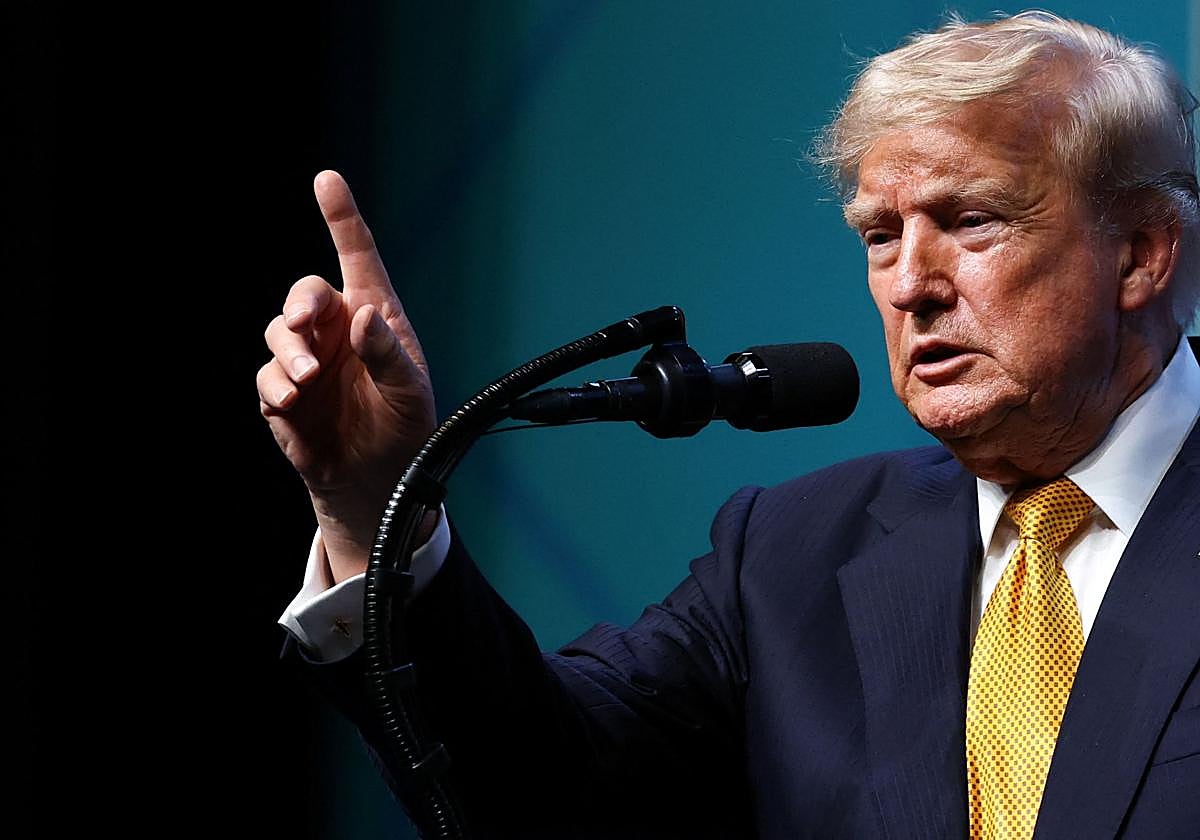
Iranians are sick and Spaniards are bad. So said a more-than-usually belligerent Donald Trump at the Nato summit in Ankara, Turkey, on Wednesday. Both remarks were made in the context of threats to cut all ties with both countries: Iran (whose leaders Trump also referred to as “scum”) over a ceasefire that the US president considers over; and “hopeless” Spain over its “terrible” contributions to Nato.
The following day, Spain’s economy minister Carlos Cuerpo attended a rather more decorous meeting of eurozone finance ministers in Brussels, with a controversial proposal up his sleeve. How will Spain’s economic future be affected by the outcomes of both these international summits?
In the first case, Spain is unlikely to feel any impact at all. Trump has threatened to cut trade ties with Madrid before - most recently in March, when he was refused the use of Spanish-American air bases for his attack on Iran - and nothing happened. All third-party trading agreements with EU member states are made via Brussels, which would have the power to reciprocate if Trump followed through on his latest ultimatum. Yet the dispute is unlikely to reach even that stage: no single individual, not even Trump, can sever the complex network of laws and treaties that connects Europe to America.
Trump has become the man who cried “No Trade!”. His threats have lost their sting. The only difference this time around was his opinion of Spaniards in general. In March he said that “Spain has absolutely nothing that we need other than great people”; but on Wednesday he instructed Treasury Secretary Scott Bessent to not “even talk to them. They’re hopeless. They’re bad people…”. It seems that no-one takes any notice of outbursts like this anymore, either. Pedro Sánchez apparently had a friendly, informal chat with Trump afterwards in which they discussed the World Cup.
Eurozone finance ministers tend not to be as blunt as Trump. But the proposal presented by Cuerpo in Brussels on Thursday is likely to have angered several of them. The Spanish minister wants the EU to borrow 850 billion euros a year on behalf of member states, following the precedent set by the NGEU scheme (intended as a one-off). Cuerpo argues that the more the EU jointly borrows, the cheaper it will become, and that doing so could result in savings of up to 25 billion per year.
The assumption behind Cuerpo’s request is that NGEU was a massive success. But countries opposed to joint debt schemes, chief amongst them Germany and the Netherlands, can (and will) argue that a lot of that money was squandered or lost in the system, and that the repayments are set to start in 2028 anyway. Trump stands a better chance of cancelling Spain than Cuerpo does of turning on the EU money tap.
![[]](http://static.vocstatic.com/voc26/latest/assets/images/favicon/surinenglish/apple-touch-icon-57x57.png)