
The Euro Zone
Guilty as charged?
Columnist Mark Nayler observes how Judge Peinado’s "absolutist" rhetoric has bolstered claims that the corruption charges against Begoña Gómez are politically charged
Mark Nayler
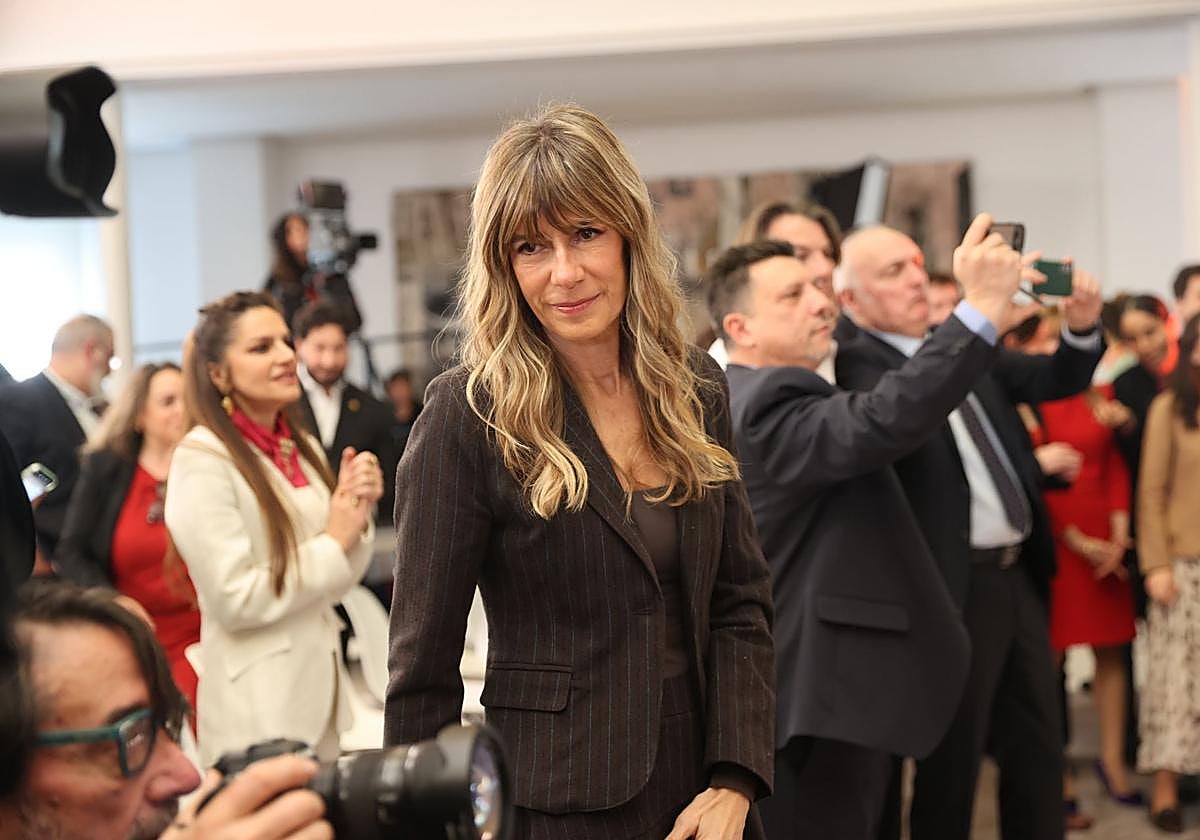
Begoña Gómez, Pedro Sánchez's wife, has been officially charged with corruption. The ruling by 71-year-old judge Juan Carlos Peinado was announced this week, during the couple's state visit to China, prompting officials in Moncloa to speculate whether the timing had been deliberate. It is now up to the courts to decide whether Gómez will stand trial for crimes including embezzlement, influence peddling and misappropriation of funds.
Sánchez, who claims that the legal action against Gómez is a right-wing smear campaign, did his best to conduct business as normal in Beijing. At a press conference after a meeting with Xi Jinping, he reiterated his belief in his wife's innocence. "Time will put everything and everyone in their [right] place", he said - a remark that could also apply to Peinado, whose indictment has once again called into question the impartiality of the Spanish judiciary.
The case against Gómez was brought by the self-styled anti-corruption union Manos Limpias, which submitted several media reports as evidence. Manos Limpias itself admitted that these reports could be false. One of the allegations ratified by Peinado is that Gómez put her private secretary Cristina Álvarez to work on matters related to her role as a director at Madrid's Complutense University, although Álvarez's salary was paid by the state.
Even if this is true, it must be put in context. Gómez's crimes would hardly be comparable to Jose Ábalos allegedly squirreling away money earned off face mask contracts, or Rodrigo Rato living large on "black" credit cards, or Socialist ministers in Andalucía lining their pockets with money meant for the unemployed.
The apparent weakness of the case against Gómez bolsters the government's claim that it is politically motivated. Justice Minister Félix Bolaños said that he was "ashamed" of Peinado's decision, and was confident that a higher tribunal would overturn it. The Francisco Vitoria Judicial Association said that Bolaños' remarks amounted to a "direct attack" on the judiciary's independence. "Questioning the work of judges without foundation", it thundered, "only increases distrust and exacerbates division." The same could be said of charging prime ministers' spouses of corruption on very little evidence.
True, there's no hard evidence that Peinado, who is due to retire later this year, is pursuing a personal vendetta against Sánchez. He may well have arrived at his decision with perfect integrity. Why, then, did he feel the need to vent his political opinions in his judgement against Gómez? Peinado claimed that her husband leads an "absolutist regime", comparable to that of King Ferdinand VII in the early nineteenth century (for which he earned the nickname El Rey Felón, or The Criminal King).
If the Gómez case goes to trial, there will effectively be two defendants in the dock. An innocent verdict would clear Sánchez's wife, but look very bad for Peinado.
![[]](http://static.vocstatic.com/voc26/latest/assets/images/favicon/surinenglish/apple-touch-icon-57x57.png)