
The Bottom Line
Jam and Jerusalem
A recent visit to an Anglican service on the Costa del Sol found few signs of a youth revival - and an unexpected departure from the church's usual political neutrality
David Andrews
This year a YouGov (British Government) survey found that in the last six years the number of people, especially Gen Z, returning to the church had “skyrocketed”. The conclusions were met with joy by Christian communities in the UK and scepticism by many experts. SUR in English reacted to this supposed “Quiet Revival” by asking different churches on the Costa del Sol, “Are youngsters along the Costa del Sol turning to God?”
I wouldn't say that I am a particularly religious person. I was brought up in a relatively Christian family and attended church until my teens. I then stopped going, mainly due to my impression that the Church of England had not kept apace with modern life and had become a rather outdated and sanctimonious dinosaur isolated from the mundane world.
Over the years, from a very secular stance, I had seen the Anglican (Episcopalian) Church trying to come up to speed: the ordination of women, the acceptance of divorce, the recognition of the LGBT community, etc. My limited forays into the church confirmed that changes seemed to be afoot and that the institution had been dragged kicking and screaming into the 21st century.
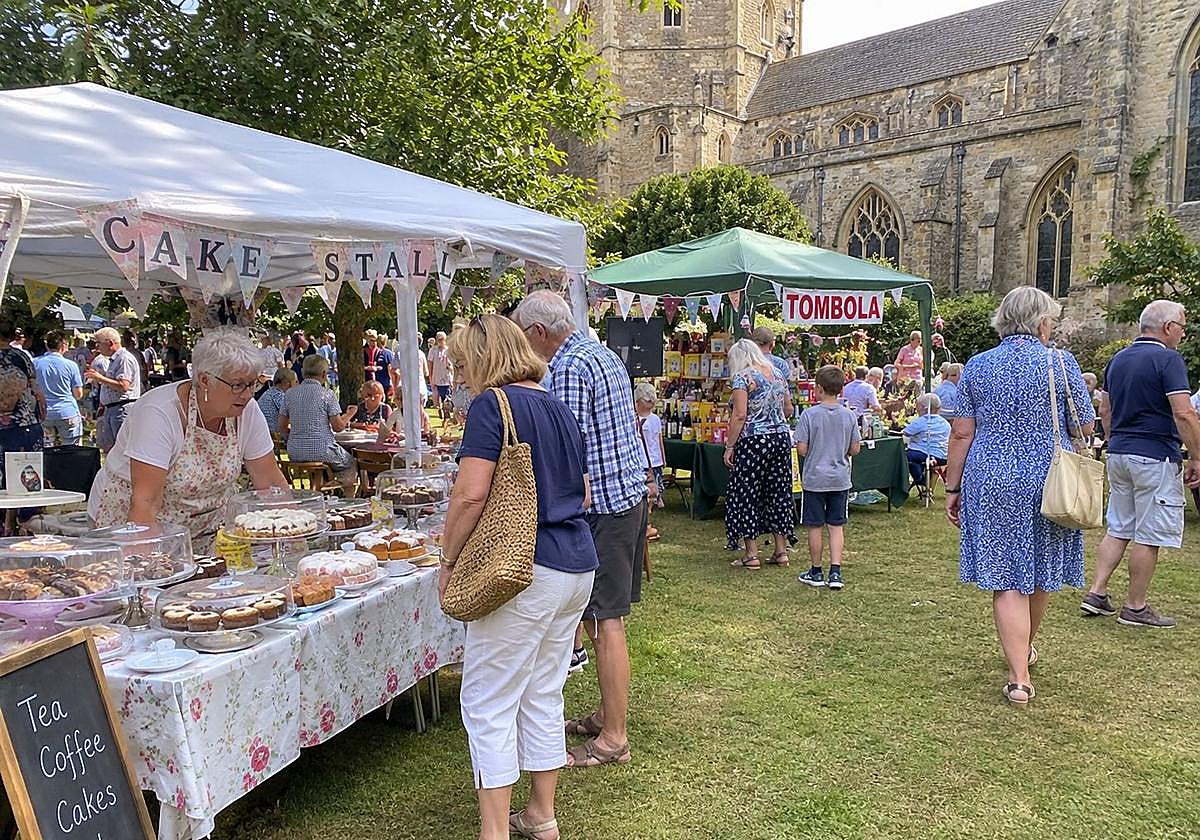
The CofE has always meant to me “bring-and-buy” sales, raffles and genteel ladies baking cakes and sipping instant coffee, from a cup and saucer, while commenting in hushed voices the latest gossip in the parish. A “Little England” where everyone avoided talking about politics and other contentious matters in order to keep the peace and to not ruffle anyone's feathers. This rather “wishy-washy” approach was both its strength and weakness, depending on your point of view.
As a dutiful son, I recently took my mother to Sunday service on the Costa del Sol. The congregation definitely didn't seem to reflect a tsunami of younger worshippers, rather the contrary, and the atmosphere was definitely more dour than joyous. After the usual welcome, reading and sermon, the intercessory prayers commenced. All quite normal until we heard, “And let us pray for the people of Israel, God's chosen people, and that they may flourish in their promised land” with no further reference to anything/anybody else. Given that the pews were not precisely overflowing with worshippers, maybe somebody should explain to the outreach department that energetically aligning oneself with a particular side can potentially alienate slews of potential “clients”? Or perhaps gone are the days of wishy-washiness and the Anglican Church has decided to take a very political stance on some very divisive matters? Is this a conscious decision? Being betwixt and between doesn't seem to have done Ed Sheeran much good...
