
The bottom line
Back to where, exactly?
Reactionary nostalgia has one curious defect: it never remembers who did the washing-up notes columnist Troy Nahumko
Troy Nahumko
There is a question I have been meaning to ask those who insist Spain is two parliamentary votes away from becoming a Marxist dictatorship.
When, exactly, was the sweet spot? Give me a year. 1965? Splendid. A married woman still needed her husband's permission to sign contracts, dispose of property or transact business like an adult. Her husband was, quite literally, her legal representative. She owed him obedience.
I sometimes wonder whether conservative female leaders wake in the night with a reactionary whispering in each ear: “Back to the good old days.” Which good old days? The ones when a married woman needed her husband's permission to behave like a legally autonomous mammal? She has opened the doors of power to people forever demanding Spain go back - to an era in which the men now applauding her would have regarded her as a decorative household appliance with opinions.
Reactionary nostalgia has one curious defect: it never remembers who did the washing-up.
Conservatives and fundamentalists share this fascination with an imaginary past when God was in his heaven, men were men and nobody asked awkward questions. Abascal would be horrified to learn he shares something with the Taliban, but both insist the instruction manual is behind us. They merely disagree about how far back to look. The Taliban settled on the seventh century. Abascal's holy books predate that considerably: the celestial dictator who found time to issue opinions on everything from mixed fabrics to the surplus skin on your penis.
Be suspicious of anyone selling tickets to a lost paradise.
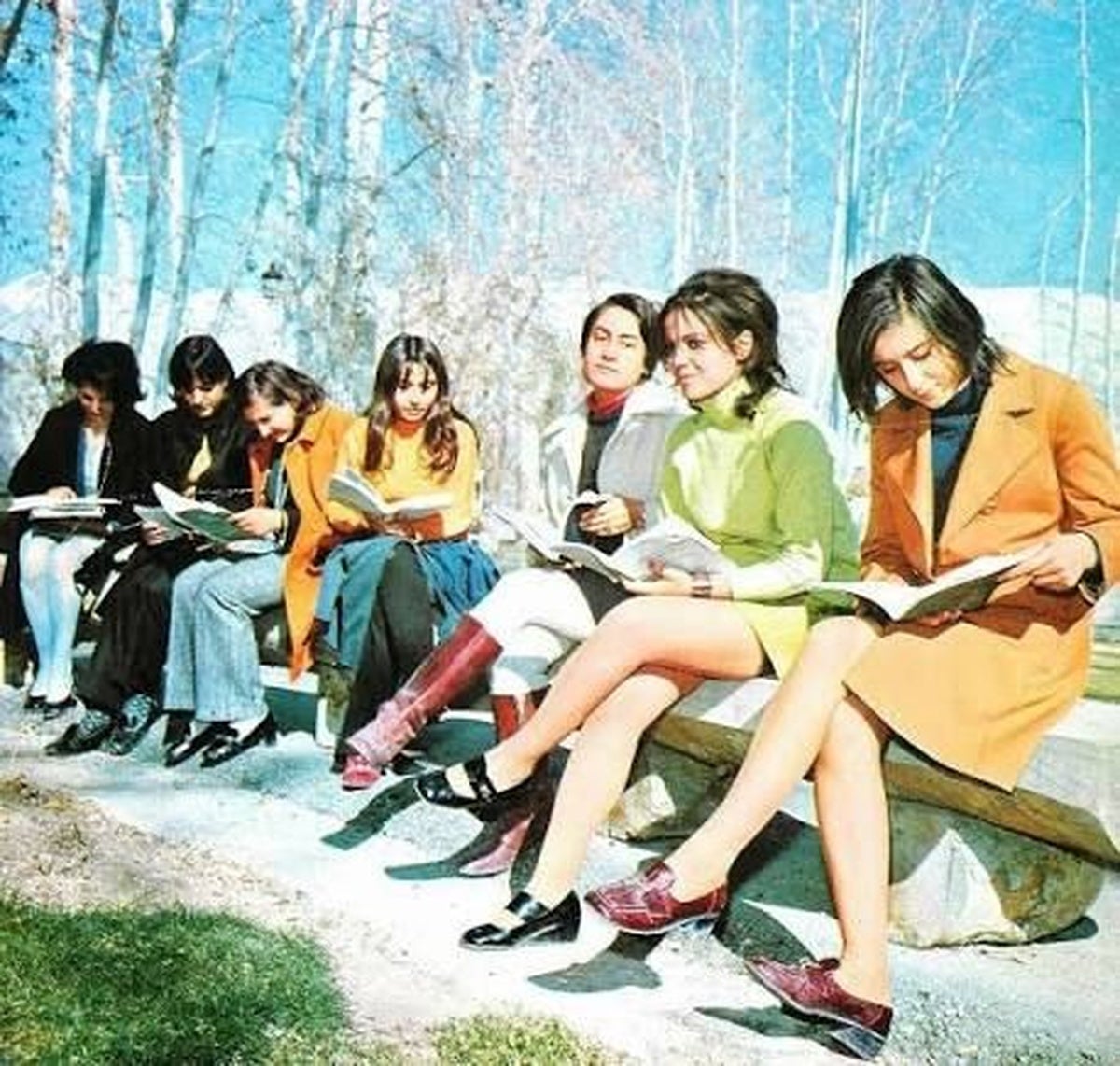
Look at photographs of Tehran in the 1970s: uncovered hair, miniskirts. Progressives and communists welcomed Khomeini home, united for the moment by ousting the Shah. They learned, too late, that religious reactionaries could get rid of them too.
This summer's travel produced an inconvenient revelation: Spain is extraordinarily good at the things its nostalgists most despise - pluralism, social mobility, public provision and the slow, untidy business of making ordinary life freer.
I visited Mamdani's New York, which has failed to become Kabul despite the breathless predictions of the hysterical right. It is cleaner, calmer and gentler than the city I knew twenty years ago. The subway, however, still smells as though something died beneath Times Square.
Canada remains lovely, but its healthcare problems make Spain's battered public system look luxurious. In Côte d'Ivoire I met people whose youth still cross the Sahara and risk everything to reach this place: Spain. A country that, within living memory, required wives to ask husbands for permission has become a global reference for equality, tolerance and freedom.
Then I spent 23 hours in Cairo, where you can stand before seven millennia of human ingenuity and still cannot safely brush your teeth from the tap. Some empires fall to invaders. This one needs a plumber.
And then I came home.
Because Spain is that now.
Not perfect. Nothing worth loving is. But in half a century it has travelled an astonishing moral, social and material distance.
Spain does not need to go back. Anywhere.
It needs to remember what 1965 looked like, glance at what it built instead, and have the bloody nerve to be proud of it.
![[]](http://static.vocstatic.com/voc26/latest/assets/images/favicon/surinenglish/apple-touch-icon-57x57.png)