
Retail
Malaga supermarkets test dynamic pricing based on the day and time of shopping
Three Suma stores in the province are already adjusting grocery costs depending on demand, while major chains consider following suit to offset weekend staffing costs

Málaga
Supermarkets in Malaga province are exploring the introduction of dynamic pricing, a model that alters the cost of groceries depending on the day of the ... week, time of day, and customer demand. While most major chains are still evaluating the concept, three stores in the province are already using the system.
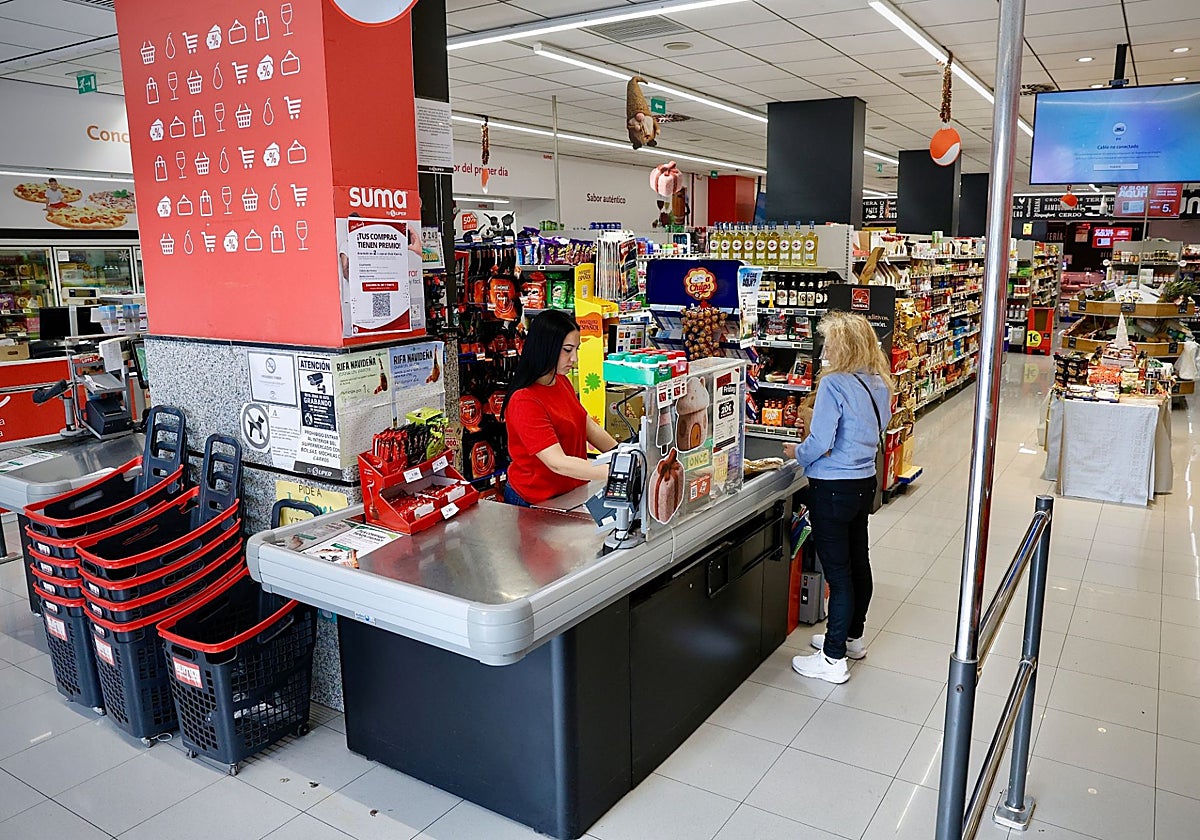
Granada-based retail group Tu Super has become the first to roll out dynamic tariffs across the three supermarkets it operates in Malaga under the Suma brand. Under the new model, shoppers could pay more for everyday items - such as a litre of milk or a beer - on a Sunday, during a public holiday, or ahead of a major football match, and less on a quiet Monday morning.
How dynamic supermarket pricing works in Malaga
Tu Super CEO Rubén Navarro explained that his company operates up to seven different price tiers per brand, adjusting them according to the day, hour, and shopper profile. "Shopping on a Sunday is not the same as on a Thursday, or on a day when there is a local street market," he said.
Following a detailed study of customer habits, the company created a pricing calendar tailored to specific times. According to Navarro, buying patterns shift noticeably throughout the week: as the weekend approaches, demand for wholemeal bread drops while pizza sales rise, with similar spikes occurring during local fiestas or football matches.
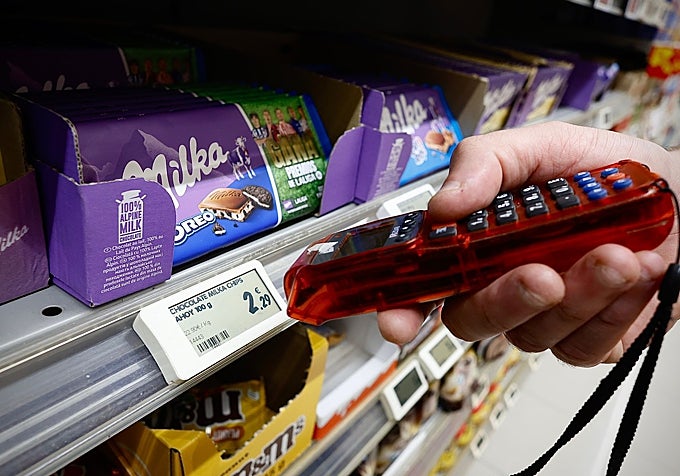
The system relies on electronic shelf labels connected to a central computer. "The best part is that we manage it from headquarters, and in ten minutes we can remotely change all the prices in a store," Navarro added. He noted that inspiration came from Japan, where some retailers go a step further by swapping out entire shelving units to offer different products depending on the time of day.
Why retailers want to change prices by the hour
Industry leaders argue that flexible pricing - already common for hotel stays, train tickets, and car sales - helps offset higher operating costs at peak times. "If labour costs are higher on a Sunday than on a Monday, why should products cost the same?" sector sources questioned.
Navarro stated that the model has not driven customers away to rival chains. "It hasn't caused a backlash because if you work on a public holiday, you get paid more and I have to cover different costs," he explained, adding that digital price tags eliminate human error from handwritten labels and give the business stronger profit margins to reinvest in staff and store upkeep.
Other major operators are closely watching the technology. During the 'Smart Retail for SMEs' forum held in Malaga, Vicente Martín, expansion director for Grupo Más, acknowledged that weekend and holiday staffing costs differ significantly.
He revealed that his company is running a pilot programme tracking local factors - such as how a Málaga CF football match impacts demand at a specific branch - to better forecast stock and staff rotas. Digital labels have already streamlined daily operations, Martín noted, meaning fishmongers and greengrocers no longer have to manually update price tags every day.
Is surge pricing coming to all Spanish supermarkets?
Currently, most supermarkets in Malaga only use dynamic pricing to discount fresh food nearing its best-before date in order to reduce food waste, rather than raising prices during busy periods.
Álvaro González Zafra, director general of the Andalusian Confederation of Food and Perfumery Entrepreneurs (CAEA), noted that while some chains already vary prices slightly depending on a store's neighbourhood, intraday surge pricing is not yet widespread. He pointed out that rolling out the practice requires costly electronic labelling systems currently only affordable for large chains and warned that tight retail profit margins leave little room for constant price fluctuations.
