
Politics
Spain's Supreme Court ruling puts 163,000 Ley de Nietos voters at risk ahead of election
The move affects those who recently acquired Spanish citizenship as descendants of those forced into exile during the Franco dictatorship
SUR
The Supreme Court's decision to suspend the voting rights of an estimated 163,000 Spanish citizens who live in other countries has entered a critical phase, with the ruling published on Thursday and affected voters given five working days to challenge the measures.
The court ruled that the suspension was necessary to protect electoral-register accuracy and transparency ahead of the 29 November general election. The move affects voters who recently acquired Spanish citizenship under the 'Ley de Nietos' (grandchildren's law), which granted nationality to descendants of those forced into exile during the Franco dictatorship.
The judges have upheld a complaint that it was not clear that all those given nationality by Spanish consulates in other countries were truly descendants of victims of the dictatorship.
Consulates can certify eligibility for people who documented that their ancestors suffered political, ideological or other qualifying persecution. However the time to do this is limited, affecting voter registration for the 29 November general election. Affected citizens may also seek to intervene in the court proceedings, although legal representation could prove costly.
The government and prosecutors had argued that reviewing registrations in time for the election would be impractical and urged the court to lift the restrictions. The foreign ministry has warned that Spanish citizens who voted in previous elections could now be excluded.
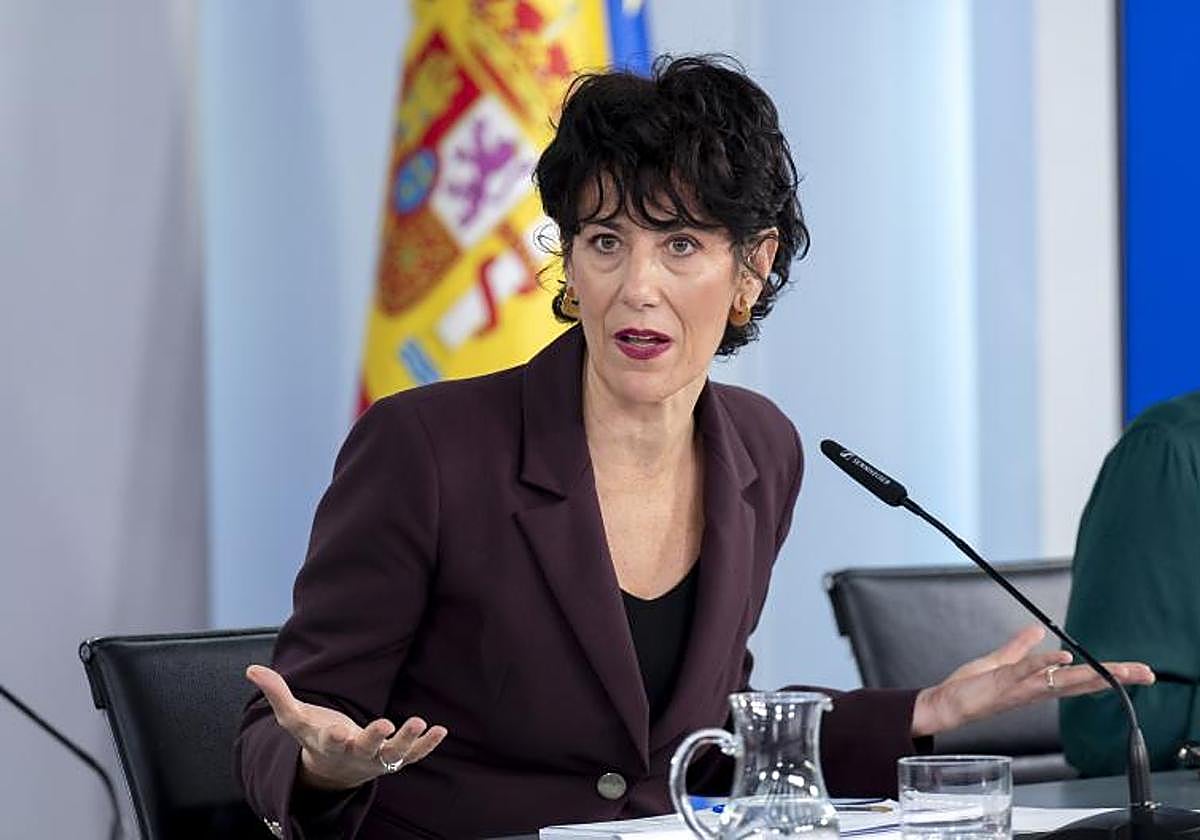
"In a democracy the right to vote is guaranteed and not restricted," said government spokesperson Elma Saiz this week, although she said that the government would "always" abide by judicial decisions.
![[]](http://static.vocstatic.com/voc26/latest/assets/images/favicon/surinenglish/apple-touch-icon-57x57.png)