
A humanitarian convoy is on its way to save lives, covering 7,000 kilometres in five days to collect 70 Ukrainian refugees
Volunteers from Malaga are part of a group which set off yesterday to carry donations to Poland and return with Ukrainian families
Cristina Pinto
Malaga
A week ago, David Argüelles started asking people he knew whether they were aware of any Ukrainian families in Malaga who needed to bring relatives to Spain. This secondary school teacher was thinking of taking his van to fetch some of those who are fleeing the Russian invasion. “I asked a friend who is a nurse if she wanted to come with me, and we contacted an association in Cadiz. In the end, ten vans are going,” said David on Wednesday afternoon by phone from Valencia, where they had stopped for fuel.
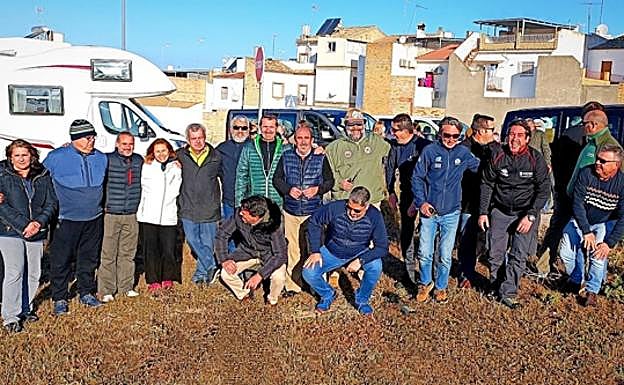
Quite a large group are on their way to Poland, and two of the others are also from Malaga: Noelia García, a nurse, and Rafael Cabello, who is driving another of the vans. David left Malaga at 5am to meet up with others in Herrera (Seville) so they could travel in a convoy. The vans are full of humanitarian aid. When they return, they will be bringing around 70 Ukrainians from Krakow and Warsaw.
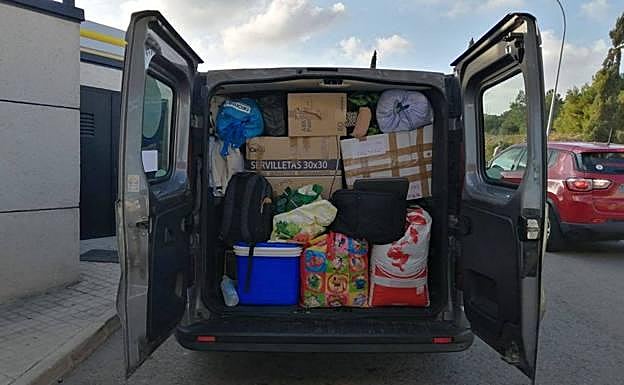
They take it in turns to drive for four hours at a time. Noelia and David are travelling together, and have brought ready-prepared meals so they don’t lose time in getting to Poland. They’re taking medical items, food, batteries, a diesel generator and a chainsaw, among other things. When they return, they will have two mothers with their babies and a 15-year-old boy whose father is in Malaga. “One of the mothers spent several days sleeping in the train station with her baby. Her grandmother, who lives in Malaga, couldn’t stop crying with relief when we said we were going to fetch her,” says David.
It is a return trip of almost 7,000 kilometres, plus the time they are in Poland, picking up the refugees, although they are hoping to be able to collect them all from the same place to make things easier. And less painful, because Ukrainians are said to be throwing themselves at rescue vehicles in an attempt to get away.
“Nuria García, who is in Cadiz, has organised everything, with her husband. Their association has been helping children in Ukraine for years. They have advised us and told us that it will be difficult because other people will try to get into the vans. It is a bittersweet feeling: we are so sad for them, but glad we can at least bring some people to Malaga,” says David
They expect to arrive tomorrow at midday, and should be back in Malaga on Monday. The refugees will be put up by their relatives when they arrive.
The trip can be followed on Instagram at @caravanahumana, where the volunteers update the details regularly. The humanitarian convoy is on its way to save lives.
![[]](http://static.vocstatic.com/voc26/latest/assets/images/favicon/surinenglish/apple-touch-icon-57x57.png)