
Tourism
Malaga rural tourism gains prominence as interior visitor numbers soar
The inland regions of Malaga province experienced a record-breaking year in 2025, with the tourism sector seeing significant growth across three primary pillars: visitor numbers, revenue, and employment

Málaga
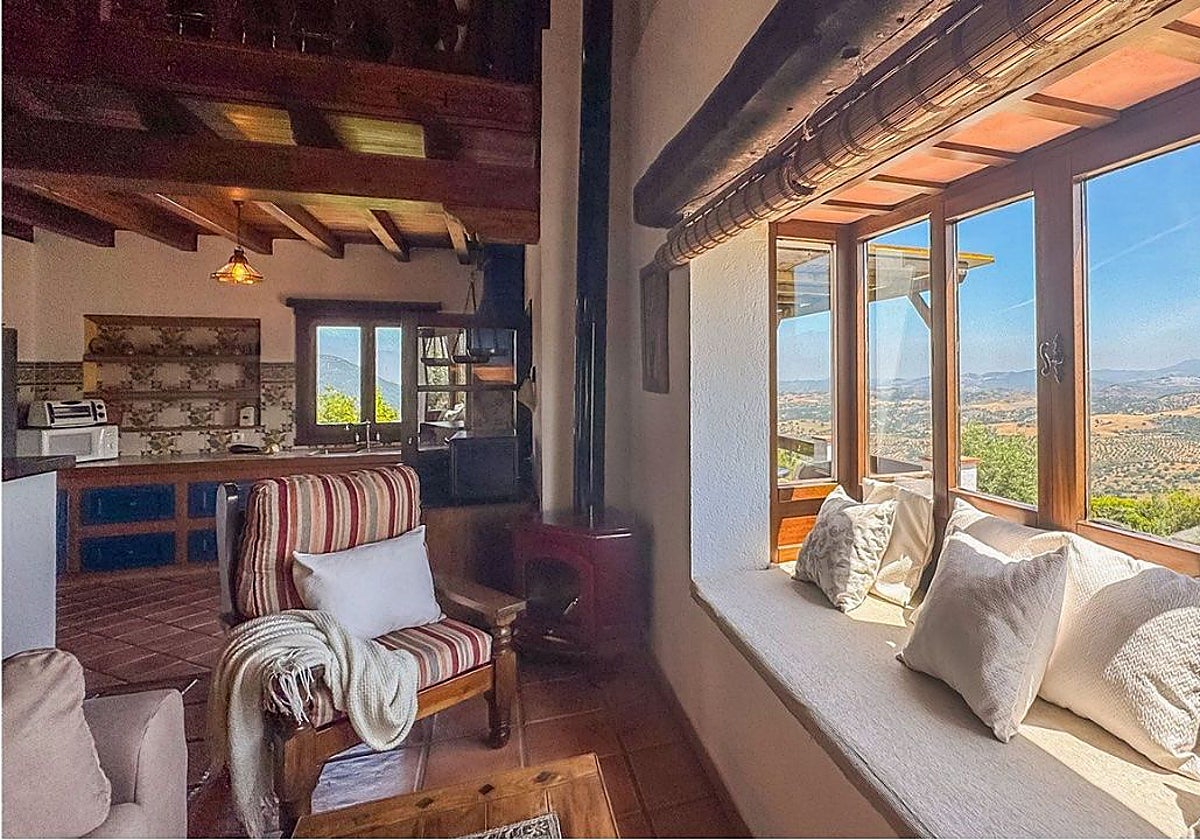
Rural tourism is gaining prominence in the province of Malaga. According to the review of 2025, which head of Turismo Costa del Sol Francisco Salado has presented, all three pillars of the sector grew last year: revenue, employments and visitors.
Key growth areas for rural tourism in Malage province for 2026
-
More than 70% of the accommodation options are concentrated in three iconic districts:
-
Serranía de Ronda
-
- Guadalhorce Valley
-
- Axarquía
Salado has described 2025 as an "extraordinarily positive" year for tourism. According to the report, 1,442,500 tourists stayed in the interior of the province last year, 3.9 per cent more than in 2024. They generated spending that impacted the economy by almost 1.87 billion euros (+4.2 per cent).
The ever-growing tourism offer has led to a 5.5 per cent rise in employment, reaching 19,738 jobs. Salado also emphasised that, according to Turismo Costa del Sol, 25.2 per cent of tourists who arrived in the province last year visited the interior. "This means that some 3.7 million people visited some of the interior municipalities of Malaga, on a short trip, without staying overnight," Salado said.
Related story
-
 Javier Almellones
Salado highlighted that tourists staying in rural accommodations represent 43 per cent of all visitors in Andalucía and that Malaga has consolidated its leading position in 2025. "We remain, by a wide margin, the Andalusian province with the greatest share of rural tourism, receiving three out of every ten tourists," he said.
According to Salado, the rural accommodation offerings in the province's interior represent 33.1 per cent of those in the entire region. "This is greater than the combined offerings of the provinces of Almeria, Cordoba, Huelva, Jaén and Seville," he said.
He announced that Malaga has 70,266 inland tourist accommodation places, representing a 6.2 per cent increase. He further explained that, of all the tourists staying in these towns in Malaga province, an estimated 117,600 stayed in rural accommodations, which have seen a 25.3 per cent increase in demand compared to 2014. This growth has resulted in 951,000 overnight stays, a 26.2 per cent increase.
Salado highlighted the Serranía de Ronda, the Guadalhorce Valley and the Axarquía district as the areas that account for more than 70 per cent of the accommodation options.
"We have been working for years to leverage the tourism potential of our coastline and extend it inland," Salado said, highlighting the key features of rural tourism: "sustainability, cultural authenticity, diversified experiences and digitalisation".
Malaga has a variety of initiatives and acitivites that consolidate its commitment to rural tourism: the Guadalhorce green corridor, the Gran Senda de Málaga, the Caminito del Rey, the Puente del Saltillo, etc.
Tourists report a high level of satisfaction after visiting Malaga's interior municipalities, which, in turn, enjoy an increase in employment.
![[]](http://static.vocstatic.com/voc26/latest/assets/images/favicon/surinenglish/apple-touch-icon-57x57.png)