
Economy
Prices give Malaga province some breathing space, but cost of living remains 4.7% higher than one year ago
Fuel, gas and electricity prices keep rising by more than 10%
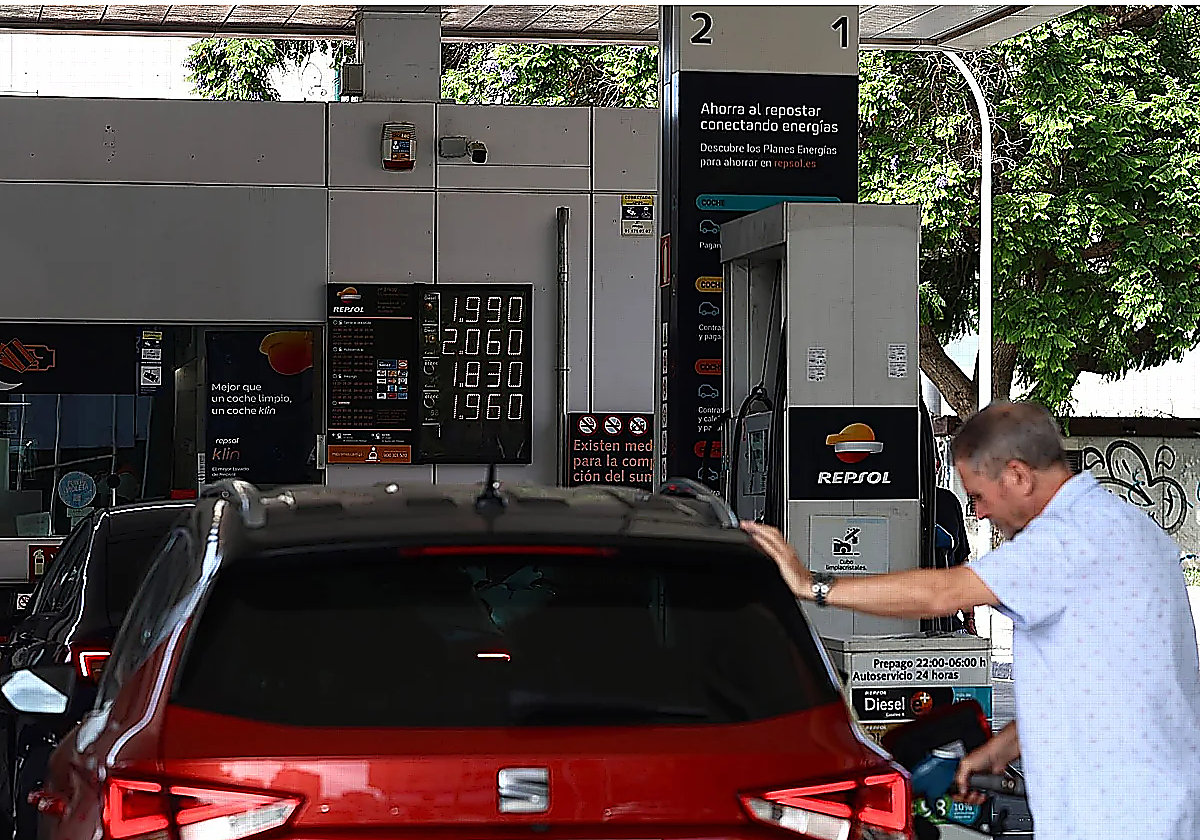

Price this October offered the residents of Malaga province a slight respite, albeit a modest one. Inflation in the province recorded a year-on-year ... increase of 4.7%, 0.2% lower than in September, when it stood at 4.9%. The performance of the CPI in Malaga has therefore been slightly better than that of the country as a whole, where it has remained at 4.9%.
The situation varies considerably from province to province. In Salamanca, Girona, Ciudad Real and Burgos, for example, prices are rising at a year-on-year rate of 5.7%. They are also exceeding 5% in nearly 20 other provinces, although none of these are in Andalucía.
The lowest inflation rate is in Guipúzcoa (4%). At levels 0.2-0.3% higher are, this time, other provinces in Andalucía such as Almeria and Huelva (4.2%), as well as Cordoba, Jaén and Seville (4.3%).
What is striking about Malaga's inflation rate for October is not only that it has moderated compared with September, while the figure for Spain as a whole has not, but also that it places Malaga's CPI below the national average, which is not usually the case.
In recent months, the province's figure has mirrored the national one. Only in June was it 0.1% lower, but to find a difference of 0.2% (the gap between Malaga's 4.7% and Spain's 4.9%), one has to go back to February 2024.
Despite the fall in the inflation rate in the province, it remains at its highest level in more than three years, since April 2023, when it stood at around 5%.
What is becoming most expensive
In Malaga, and across the country as a whole, the main factor driving up prices is the cost of transport, which is rising at a rate of 10.7% in the province (slightly less than in September, when it stood at 11.2%). Within this component of the CPI, the category recording the sharpest rise is the use of private vehicles, the cost of which has risen by 17.3% (compared with 18.4% in September).
The second-fastest-rising component of inflation in the province is housing and utilities, at 5.8% (0.1% higher than in September, although below the national average of over 7%). The main drivers of this upward trend are electricity and gas prices, which are 11.6% more expensive than a year ago.
Thirdly, restaurants and accommodation services are rising in price at a year-on-year rate of 4.8%, the same figure as in September. Next come information and communications services, at 4.4%, compared with 3.2% the previous month. Furthermore, recreational activities rose by 4%.
Containment of groceries
The cost of the shopping basket lies far below these figures, rising by 2.6% according to the latest data, down from 2.7% in September. Here, food prices alone have risen by 2.9%, compared with 3% in September, while prices for non-alcoholic drinks have remained stable. Alcoholic drinks, meanwhile, have risen by 2.7%, following a 2.5% increase the previous month.
There are also some components of the CPI that have become cheaper. For example, clothing and footwear in Malaga are 0.1% cheaper than a year ago. However, if we break this down by product, we find that clothing has fallen by around 1% year-on-year, while footwear is 3.3% more expensive than in October 2025.
The other component of the Malaga CPI to have fallen is education, with a drop of 0.2%.
