
The polluting downside of vapes: the Costa del Sol is already collecting 100 kilos a month
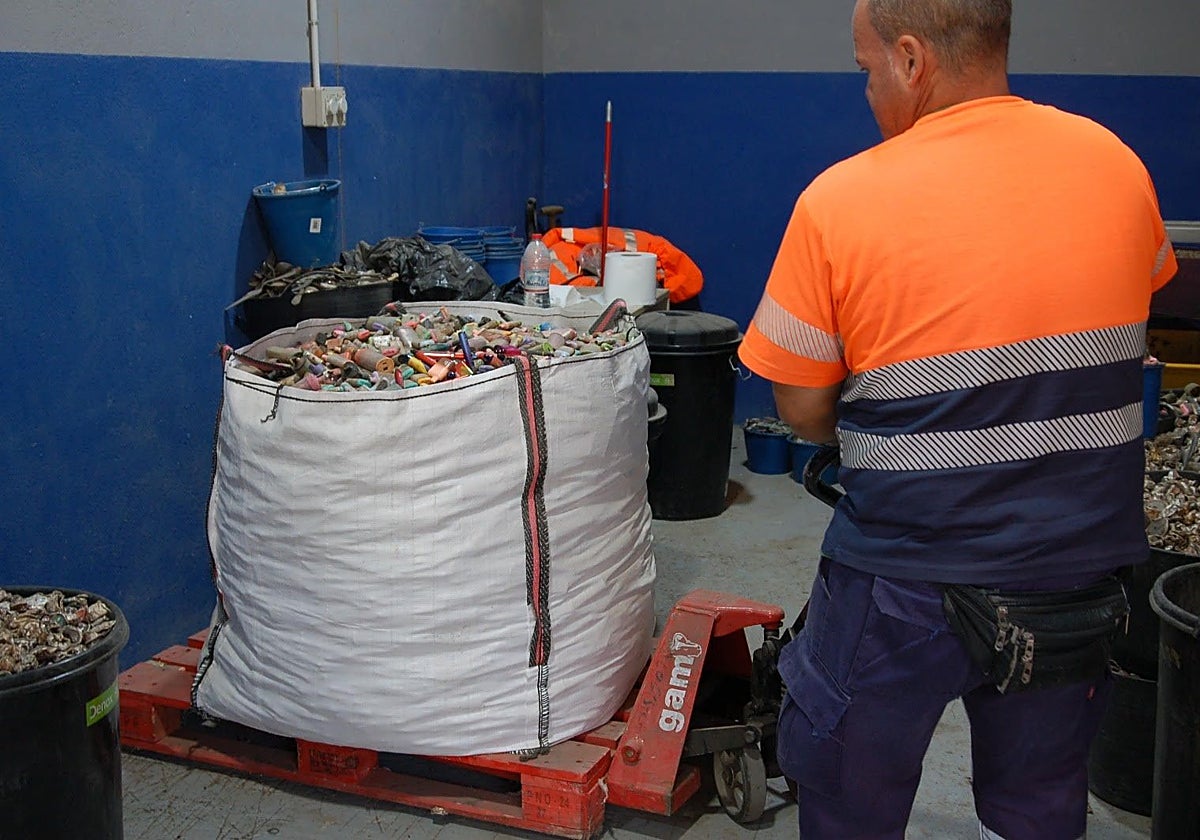

Vapes, or e-cigarettes, quite apart from health and legal considerations (it is estimated that almost 40 per cent come from the black market), have ... become an everyday consumer item. Yet they remain a piece of technology and form part of what is known as ‘emerging waste’. Their exponential growth poses a serious environmental problem if their disposal and recycling are not managed properly. Their components (plastic, metals, liquids and lithium batteries) are highly polluting and have the potential to release toxic substances into soil and water. The improper handling of batteries also significantly increases the risk of fire, as is the case with mobile phones, e-scooters, cars…
Formats
There are various types of e-cigarettes, which can be broadly categorised into four groups. Those with replaceable coils have the longest lifespan, as the coils can be changed every three months and their external batteries last up to two years.
Related story

In contrast, those with pre-built coils are simpler, but these components must be replaced weekly. Rechargeable e-cigarettes are compact, reusable and their batteries last up to two years before they start to fail. Finally, disposable vapes offer very limited use and are the most polluting, so they must be treated in exactly the same way as batteries.
A process that began in March
In short, vapers are presenting the authorities and specialist companies with a new headache - a real challenge. One of the pioneers in this field is the association of municipalities of the Costa del Sol, which is collecting and recycling 100 kilos of these items every month.
The Costa del Sol therefore began this innovative recovery process just six months ago. The plant, operated by Urbaser, has managed to recover some 600 kilos of these devices.
The president of the association of local authorities, Félix Romero, has highlighted the significance of this figure and of this new line of work: “We are facing a new type of waste whose volume is increasing every month. E-cigarettes may seem harmless, but their composition makes them hazardous waste.”
Manual handling
The integration and recovery of these devices at the Costa del Sol environmental complex requires manual handling and specific processing. As part of its commitment to the circular economy and the management of emerging waste streams, the proper treatment of vapes makes it possible to: recover and make use of valuable metals such as aluminium and cobalt; prevent the release of hazardous chemical pollutants that pose a risk to the environment and public health; and prevent fires in collection vehicles and treatment facilities caused by lithium batteries.
How should e-cigarettes be recycled?
As they must not be disposed of in household waste or in standard bins (yellow or grey), the official guidelines state: Take disposable e-cigarettes to recycling centres or to vape shops that have bins for electronic equipment (WEEE). For rechargeable e-cigarettes, separate the cartridge, battery and other components, always placing the battery in a specific container for lithium. Take them to the designated containers located at tobacconists, manufacturers and specialist shops, which are obliged to ensure their recovery.
“We are facing a new type of waste, the volume of which is increasing every month. E-cigarettes may seem harmless, but their composition makes them hazardous waste”
The association has appealed to members of the public to take responsibility by disposing of e-cigarettes at recycling centres or in electronic waste bins, thereby ensuring that they do not end up harming the environment.
Separate the parts
To recycle an e-cigarette correctly, it is essential to separate its parts where the device allows, without forcing or opening any parts that are not designed to be dismantled. Lithium batteries and disposable e-cigarettes must be taken to recycling centres or specific battery collection bins. Cartridges or e-liquid containers must be placed, clean and empty, in the yellow bin if they are made of plastic, or in the green bin if they are made of glass.
The best way to reduce environmental impact is to adopt responsible consumption habits: prioritise rechargeable and repairable devices over disposable ones, carry out proper maintenance to extend their useful life, and buy e-liquids in recyclable packaging. When disposing of them, they should be taken to local recycling centres, specialist vaping shops or tobacconists. Furthermore, many brands and retailers offer incentive schemes to encourage recycling, providing discounts or free products to customers who return their used devices.
![[]](http://static.vocstatic.com/voc26/latest/assets/images/favicon/surinenglish/apple-touch-icon-57x57.png)