
Nearly 60 teenagers are receiving police protection in Malaga after falling victim to gender-based violence
An overview of child abuse in the province: more than 5,000 active cases and seven fatalities recorded - the worst year on record
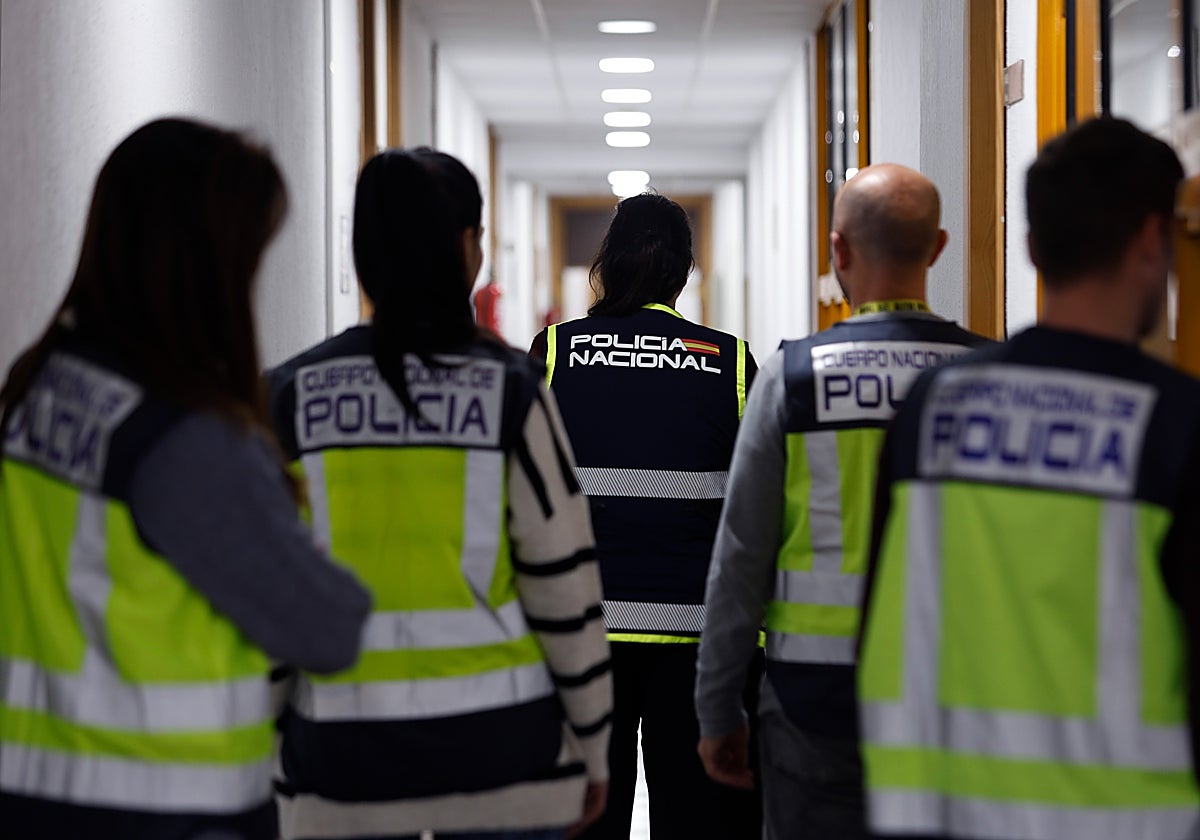

A total of 55 youngsters and girls under the age of 18 are currently receiving direct police support and protection in Malaga after filing reports ... and being included in the comprehensive monitoring system for gender-based violence (VioGén). This figure, updated by the ministry of interior’s statistics at the end of last July, represents one of the cruelest aspects of a scourge that has seen 5,074 women placed under police protection in the province and seven fatalities – the worst year on record.
Since 2007, when VioGén was launched, Malaga has recorded a total of 47,312 police reports, with 41,218 victims recorded over this period. The discrepancy in the figures shows that many of these women have more than one case file, often because they have suffered abuse at the hands of different partners. Although the majority of these cases are currently classified as inactive (42,073) as the threat is deemed to have ceased, all of them may be reactivated if officers assess that the danger has returned.
The development of the VioGén system in the province of Malaga shows a steady increase over the last five years, as evidenced by a rise of more than 52 per cent in the overall number of cases under police supervision - rising from 3,336 active cases at the end of July 2021 to 5,074 in the same period of 2026. In the shorter-term comparison relating to girls and adolescents who are victims, the trend confirms a gradual rise, from 51 girls under protection in July 2025 to 55 at present.
The current overview of abuse in the province reveals that 89.16 per cent of cases under police monitoring and protection are classified as low risk. However, the risk assessment rises to medium for 512 victims and to high for 38 of them. At present, there are no women at extreme risk in Malaga.
The profile of the victims: almost half are aged between 31 and 45
According to the latest statistics, the women who suffer most from gender-based violence - or, at least, those who take the step of reporting it and enter the system - are those aged between 31 and 45. This age group accounts for almost half of all ongoing cases in the province: with 2,395 active cases, they represent 47.2 per cent of all women under protection. Among them, 19 cases have been identified as high-risk.
Young women under the age of 30 make up the next largest group in the statistics. There are currently 1,257 young women on the police’s radar in the province, accounting for nearly a quarter (24.7 per cent) of the total. Continuing the breakdown by age, women in the 46–64 age group account for 1,303 active cases (25.6 per cent), while the incidence of gender-based violence falls - at least according to official records - to 119 cases among those aged 65 and over.
Furthermore, half of the women in Malaga under police protection (2,562) have children and teenagers in their care. One of the harshest realities revealed by the report is that abuse does not only affect the women themselves. In 37 of these active cases, the police said that the children themselves were at risk as a result of gender-based violence. This is because the police assessment (VPR) identifies indicators suggesting that the abuser’s aggression could extend to the children. Specifically, 31 of these cases involving children are classified as medium risk and six as high risk.
Regarding remote monitoring measures, the province currently has 150 active electronic tracking devices (restraining order bracelets), out of a total of 882 devices installed in Malaga since 2009.
It is worth noting that in just seven months, the province has recorded seven gender-related murders: six women and the daughter of one of them. With this tragic figure, Malaga has matched the total number recorded throughout 2025, a year in which it reached its highest-ever figure since records began (2003) and became the province with the highest number of such cases in Spain. This tragic dominance has been repeated in 2026, with Malaga once again surpassing provinces such as Madrid, Barcelona and Valencia.
![[]](http://static.vocstatic.com/voc26/latest/assets/images/favicon/surinenglish/apple-touch-icon-57x57.png)