
Mijas
The regional government closes its only residential centre in Andalucía for women with addictions, located in Mijas
The centre closed its doors on 4 August without formally stating a reason, and the regional ministry has confirmed that the closure is permanent, citing the "risk" posed by its location as the reason

Mijas
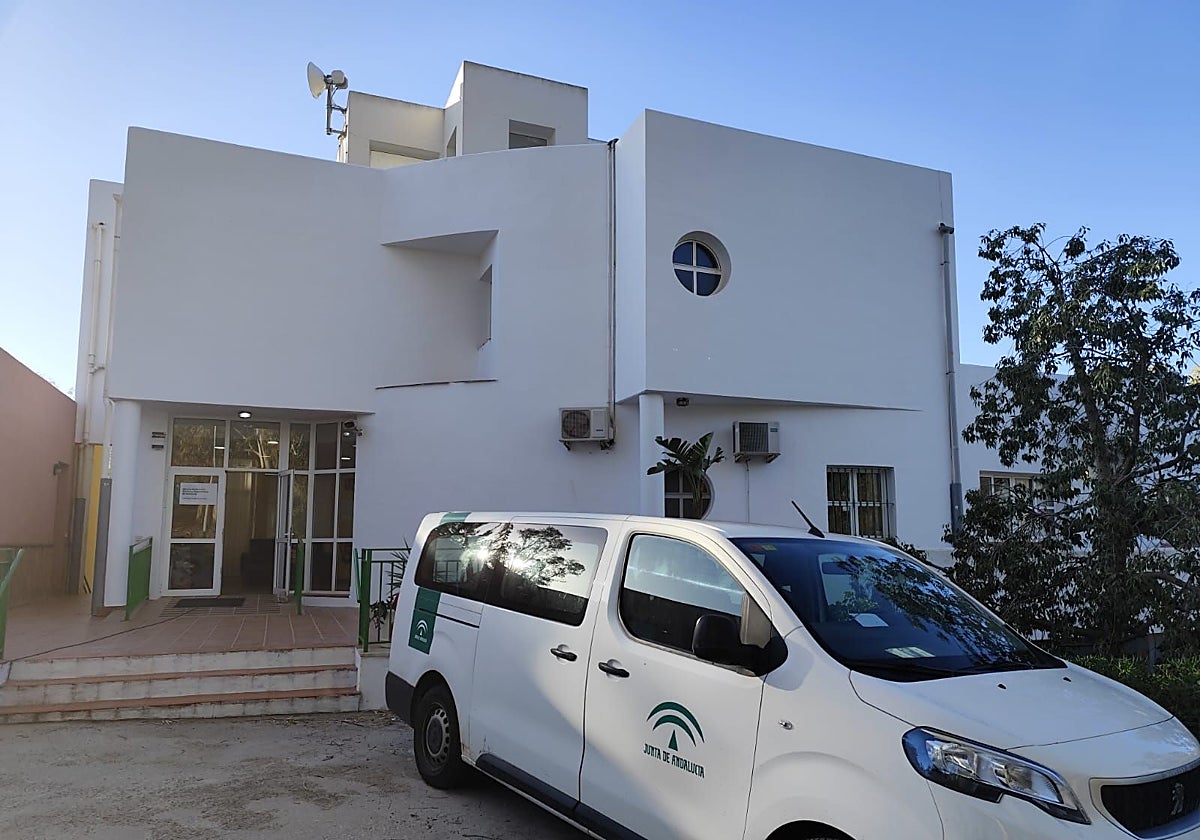
It is called the Mijas therapeutic community and is essentially a residential centre for women with addictions. It is the only centre in the province ... run by the Andalusian agency for social services and dependency (ASSDA) and the only residential facility in Andalucía dedicated specifically to women. It first opened its doors in March 2000 and closed them for the last time on 4 August. When it did so, the 20 members of staff - 16 women and four men - were unaware that they were witnessing its permanent closure, as sources from the Andalusian regional government confirmed to SUR that the centre will not reopen.
The facility is situated in Las Lagunas de Mijas, but set apart from the town centre, in the hamlet of Entrerríos. And that is the reason why the care home has now formally closed its doors for good. “The location of this centre did not meet the necessary conditions; it is in an area at risk of fire and flooding,” said officials from the regional ministry of health and emergencies. The centre has received a “negative assessment” from the emergency services due to this risk, but the regional government also cites “poor communication” on the part of the care home regarding the “schooling” of the residents’ children, who were permitted to live with them until the age of three.
Therapeutic communities treat not only addictions relating to the use of substances such as alcohol or drugs, but also behavioural addictions. In some cases, patients have more than one addiction, and are sometimes also victims of gender-based violence and are part of the VioGén system. The Mijas residential centre has capacity for 32 women, and there were nine patients there when it closed. According to sources at the centre, one of them was discharged on therapeutic grounds, two were granted therapeutic leave, and the rest were taken to Almonte, where one of the other five therapeutic communities in Andalucía is located.
The staff consider it "serious" that a service has been "shut down" which supports women who "are living on the streets, in high-risk situations or who are victims of gender-based violence". By definition, they are people "in vulnerable situations" and the aim is to "turn their lives around". Although they are public sector employees, they say they are “devastated” and “in shock” after formally learning of the decision to close the centre. “If there is a risk of fire and they need to clear 15 metres of vegetation, install a hydrant or create an exit to ensure a safe evacuation route, then they should do it,” said one of the workers, who pointed out that the last fires recorded in the area were more than a decade ago.
The centre cares for women with any form of addiction, many of whom are victims of gender-based violence, and at the time of closure there were nine patients
They fear that behind the decision lies a desire to phase out the service and eventually award places to private organisations. In fact, they believe that if the regional government truly believed in the centre, it would have sought another location. What is certain is that the centre’s closure took place just four days after a decree was published in the BOJA (official gazette of the Andalusian regional government) transferring the management of therapeutic communities from the department of social affairs to the regional ministry of health and emergencies.
No doctor and relocation
These centres are run by an interdisciplinary team. In the case of Mijas, with cleaning and maintenance services outsourced, the centre had one management post, one administrative post, ten counsellors, two psychologists, two educators, one social worker, one nurse, a cook and a driver, all of whom were civil servants. But when it closed, there was no longer a doctor on staff - something that had happened before and which posed "a problem", because "for a patient to be admitted, she needs to be abstinent, free from addiction". "The doctor makes the diagnosis, adjusts the medication, and then has to modify it to reduce the dose,’ explained one staff member, highlighting some of the difficulties the centre faced previously. In fact, they claim that over Christmas 2024, it was already closed for a few days due to a “shortage of staff”.
Since the care home closed, at least some of the staff have been working from home, carrying out tasks such as "making calls or following up with patients", but others have been out of work because their roles can only be carried out in person. Now, all of them are left without a place to work. The regional government has given assurances that “they will be offered the best solutions” and “facilities to enable them to continue working”.
![[]](http://static.vocstatic.com/voc26/latest/assets/images/favicon/surinenglish/apple-touch-icon-57x57.png)