
Health
Mijas closes parks for fumigation against West Nile virus mosquitoes
The town hall is advancing the emergency plan following the alert in the Las Lagunas district, which will remain in effect at least until 21 August
José Carlos García
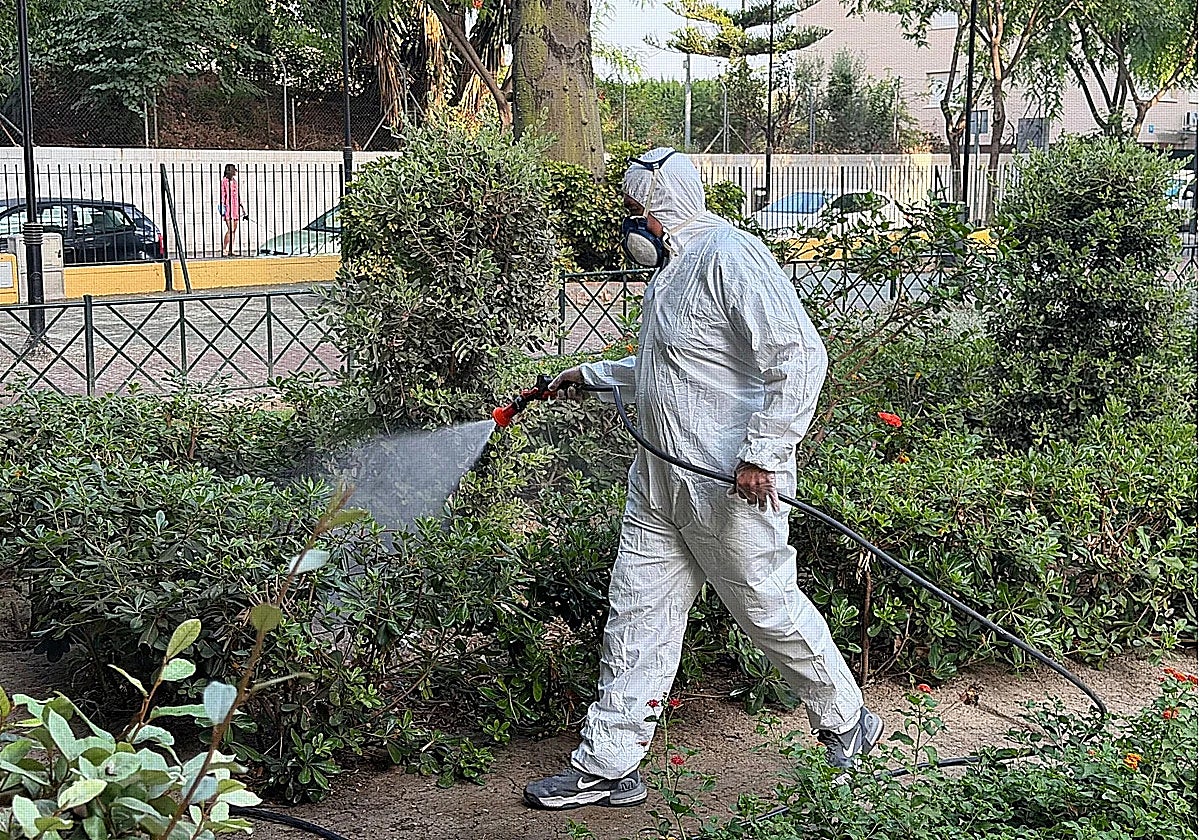
Mijas town hall continues its fight against the West Nile virus (WNV). Early on Wednesday morning, it fumigated the Andalucía, El Abuelo and 3 de Abril parks in the Las Lagunas area to prevent the proliferation of mosquitoes that can transmit the disease.
The Andalusian regional government declared Mijas and Fuengirola to be on alert after detecting the West Nile virus in mosquito traps last week.
As a result, Mijas decided to intensify its emergency plan with the immediate fumigation of wetlands and storm drains throughout the municipality.
Related story
The emergency fumigation continued until Sunday night and covered a 1.5-kilometre radius from the point of vector detection.
According to the councillor in charge, Marco Cortés, the three parks will reopen to the public on Thursday, with their usual opening hours.
The health department has increased the frequency of fumigation in the affected area from every two weeks to weekly and will maintain all measures at least until 21 August.
During the inspection on 14 July, the regional government did not detect the virus in the municipality, but everything changed just ten days later.
West Nile fever is a disease caused by the West Nile virus (WNV). It belongs to the genus Flavivirus, the same type of virus that causes diseases such as yellow fever, dengue and Zika, and is part of the Flaviviridae family: viruses that are mainly spread by arthropods (ticks and mosquitoes).
The West Nile virus was first detected in Andalucía in the summer of 2020. Since 2022, the regional government of Andalucía (Junta) has been implementing the strategic plan for the surveillance and control of arthropod-borne diseases with public health implications from March to October.
For the 2026 season, the Junta has identified risk areas, with high-risk municipalities subject to special surveillance:
In the case of Malaga, the high-risk municipalities are Malaga city, Alhaurín de la Torre, Alhaurín el Grande, Almargen, Antequera, Cártama, Coín, Guaro and Pizarra.
However, Las Lagunas de Mijas and the neighbouring Fuengirola, so closely linked that they even share streets, have so far been the only Malaga municipalities to enter a state of alert, joining 13 others in the rest of the region.
Transmission and prevention
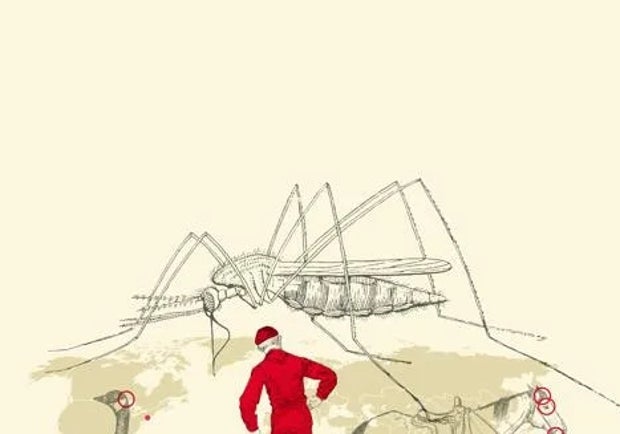
West Nile virus is a zoonosis: an infectious disease that can be transmitted from animals to humans. However, it does not originate in mosquitoes, but in wild and domestic birds, which act as its hosts.
Mosquitoes spread the disease by picking up the virus when they bite infected birds and transmitting it to other birds and, incidentally, to equines (particularly horses) and humans.
Both humans and equines are terminal hosts. In other words, even if they are infected, they do not transmit the disease, not even to healthy mosquitoes.
The incubation period for the disease can be up to two weeks.
To avoid bites, use repellents in your environment and on clothing, avoid strong odours (perfumes, scented soaps, etc.) and don't leave vessels with stagnant water. If you don't need lights, it's better to switch them off.
Review public health, medical care and clinical news
![[]](http://static.vocstatic.com/voc26/latest/assets/images/favicon/surinenglish/apple-touch-icon-57x57.png)