
Town planning
Marbella’s new town planning guidelines come into force this Saturday
The PGOM general municipal development plan sets out a new territorial model based on sustainability, legal certainty and balanced development
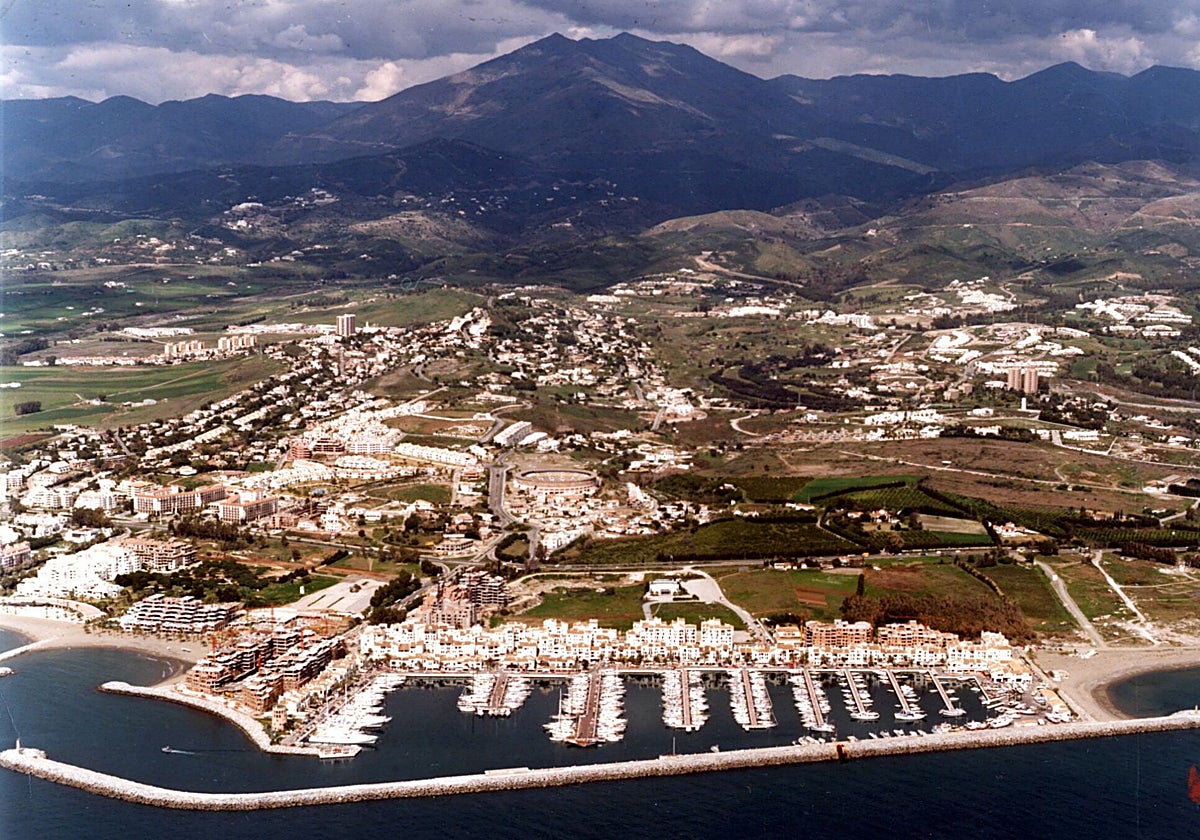

Marbella
This Saturday, 14 November, Marbella will unveil its new urban planning framework. The general municipal urban development plan (PGOM - Plan General de Ordenación Municipal) comes ... into force following the publication of its planning regulations on Friday in the Official Gazette of the Province of Malaga (BOPMA).
This step marks the completion of the administrative process for a document that received final approval from the full council on 18 September and which will set out the rules for the town’s development in the coming years.
Its entry into force marks a milestone for urban planning in Marbella, but also for Andalucía as a whole. Marbella has become the first municipality in the region to have a PGOM general urban development plan approved under the Lista, the Andalusian law on the promotion of territorial sustainability. The document sets out the broad planning guidelines, defines urban land and classifies rural land, while providing a new regulatory framework for future urban development projects.
The process leading up to this point began in July 2020, when the preliminary planning proposal was approved, while the previous town planning legislation was still in force. Two years later, in June 2022, the council decided to bring the procedure into line with the Lista, which necessitated the opening of a new administrative phase.
In September of that year, the preliminary document was approved, and in March 2023, initial approval was granted. The procedure was accompanied by two public consultation periods, during which 174 and 147 objections were submitted, respectively. Both sets of objections were analysed and incorporated into the drafting process until the final proposal was reached, which was endorsed by the full council in June 2025.
Following this, the PGOM was submitted for environmental assessment. The strategic environmental statement (SES) was received in December of that year, and the sectoral reports – including those relating to town planning and coastal management – were subsequently finalised before the document received final approval last September.
Three and a half years have passed between initial and final approval; under the previous framework, this would have taken between eight and ten years
The councillor for town planning, José Eduardo Díaz, has highlighted that the period between initial and final approval has been approximately three and a half years, a timeframe he considers "more than reasonable" when compared with the eight to ten years which, as he pointed out, were usually required for general plans processed under the previous regulations.
Six key areas
The new territorial model is structured around six main pillars: Green Marbella, Well-Planned Marbella, Diverse Marbella, Inclusive Marbella, Efficient Marbella and Connected Marbella. These are the principles that should guide future initiatives in the municipality, with social, environmental and economic sustainability as the starting point.
With its entry into force, Marbella leaves behind the drafting phase of its new planning instrument and begins to implement its provisions, with the exception of plot-specific details, which will continue to be governed by the 1986 general urban development plan (PGOU), until the other ‘pillar’ of the new framework - the Municipal Development Plan (POU)- comes into force. This plan is currently being drawn up by the council and will mark the definitive introduction of the new urban planning framework. The PGOM thus lays the foundations for reconciling economic and urban growth with the protection of the environment and the current and future needs of the population.
