
Community
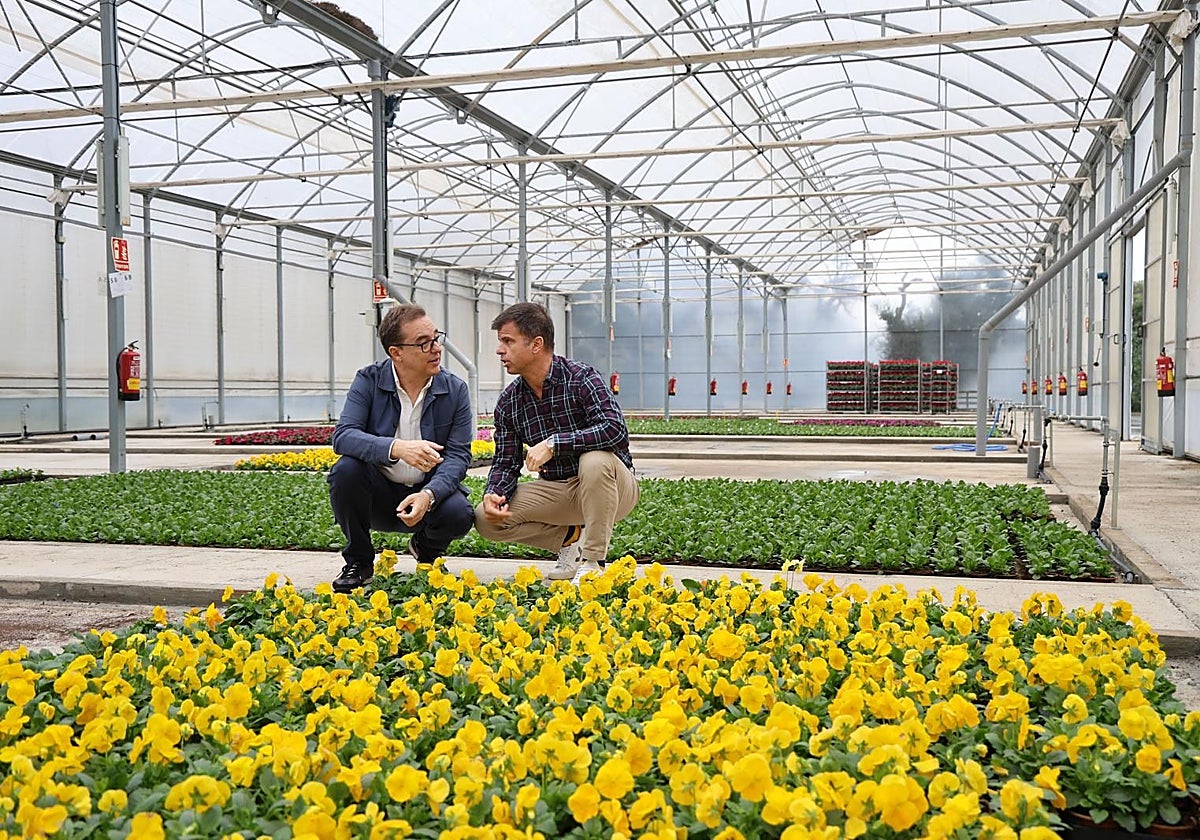
Marbella’s municipal nursery produces 200,000 plants a year
The focus on in-house production reduces the cost of flowers, which the council combines with shrubs to save money and water

Marbella
Marbella’s municipal nursery has achieved an annual output of 190,325 ornamental plants, as part of a plan that enables the floral displays in ... parks, avenues, gardens and public spaces to be adapted to the different seasons of the year. Diego López, councillor for parks and gardens, pointed out that these facilities began operating in 2023 with the aim of providing the council with its own production and reducing its reliance on external suppliers. “We have approximately 200,000 plants available each year across the different seasons,” emphasised López, highlighting the role of seasonal flowers in “beautifying” the town.
According to data from thetown council, around 84 per cent of the plants produced are varieties associated with the spring, summer and early autumn seasons, periods characterised by higher temperatures. López explained that this diversity ensures there are suitable species for each growing cycle and ‘extends the flowering periods as much as possible’. In the breakdown of annual production, Tagetes erecta (marigold) leads the way with 53,984 units, ahead of Dreams Pink Petunias (31,624), pansies (30,629), Viking Rose on Bronze Begonias (30,312) and SunPatiens Vigorous Rose Pink (busy lizzies) (30,128). Rounding off the list are BeautiCal Purple Dawn Petchoas (a type of Petunia), with 9,048 plants, and Grandiflorum Pelargoniums (a type of geranium), with 4,600.
Moving beyond seasonal flowers, the nursery is moving towards a model of sustainable urban gardening by increasing the use of shrubs. “This combination means we use far less water and, at the same time, have to replace plants less often in many areas,” said the councillor. This transition allows flower displays to be concentrated in areas of greatest visual impact, whilst introducing perennial species adapted to the Mediterranean climate, which reduce maintenance costs and the frequency of replacement.
Water efficiency
Water efficiency also extends to the internal operations of the facility. The nursery uses flood pools that allow the plants to absorb water from the base, with the surplus being recovered for subsequent filtration and reuse. The complex also features an irrigation reservoir, an underground cistern and automated systems to regulate each production cycle, as well as wells supplying non-potable water for washing and garden irrigation, thereby reducing the consumption of drinking water.
“The nursery has become a planning tool because it allows us to plan ahead for the seasons, tailor production to the city’s actual needs and maintain a well-kept appearance in our parks, gardens, avenues and public spaces throughout the year,” concluded López.
