
Malaya case
Marbella, 20 years since Malaya case
It remains unclear "how much money was lost", but 'only' 92.4 million euros have been recovered
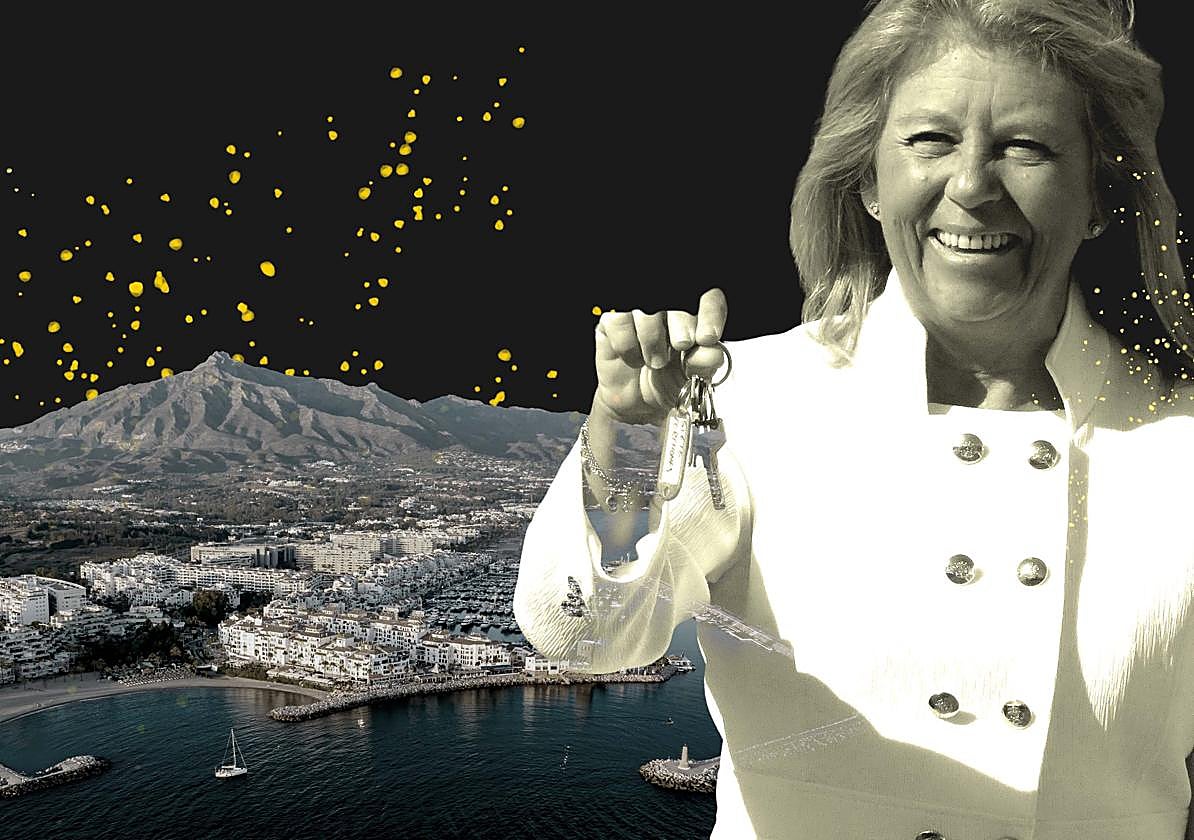

The Malaya embezzlement case still hangs over Marbella town hall, 20 years after the first arrests of local politicians.
The stolen and misappropriated sum during the ruling of Jesús Gil (1991-2002), Julián Muñoz (2002-2003) and Marisol Yagüe (2003-2006) remains unknown today and the residents of Marbella keep paying debts.
Nine days after the detention of 29 people in April 2006, the central government adopted an unprecedented constitutional decision: the dissolution of the town hall.
First Deputy Mayor of Marbella Félix Romero was a young councillor at the time.
He says that they knew that Gil's office was stealing, but they didn't know "that they were stealing so much". Everybody wondered how urban planning councillor Juan Antonio Roca could afford a Joan Miró painting, which turned out to be fake, or to have a female tiger named Melody in his La Caridad estate.
2.4
billion
euros was Juan Antonio Roca's wealth, according to Forbes
Romero believes that potentially only historians would be able to say how much the convicted politicians stole. He is sure about one thing: "what happened in Marbella is probably the biggest scandal in the history of Spanish democracy".
In the past 20 years, the town hall has only recovered 92,438,406.20 euros. The figure includes both the money received in cash (70.63 million euros) and through seized assets (21.5). The amount seems derisory when compared to Roca's assets, valued at 2.4 billion euros by Forbes magazine.
However, among these assets are significant properties such as the La Caridad estate, which now serves as the town's fairgrounds. The former headquarters of the urban planning department also ended up in the hands of the regional government, which transformed it into the Ricardo Soriano health centre.
The damage caused to the town hall alone in 2000 and 2001 amounts to 130 million euros.
Barbarities and bankruptcy
However incredulous many residents may have been when Romero told them about the "atrocities", the truth is that years before the Malaya operation emerged, there were already at least some warning signs. By the end of 2003, the town hall had already seized 234 properties, all despite the frenzy with which land swaps and urban development agreements were being signed and the municipal workforce was being increased.
92.4
million euros
is the money recovered by the municipality in cash or property
The auditors' court special report on the period between 2002 and April 2006 established the number of urban development agreements signed at an astounding 650 and warned that the Gil governments had practically quadrupled the number of town hall employees, from 763 to 3,016, many of them hired without even a public call for applications.
The estimated financial imbalance in the municipal coffers was 355 million euros and the town hall had reached a state of "technical bankruptcy" in 2005, as the court warned back then.
SUR gives subscribers 500 free copies of La última gota: la novela del caso Malaya (The last drop: the Malaya case)
Discover the intricacies of the Malaya case in La última gota (The Last Drop), written by SUR journalists Héctor Barbotta and Juan Cano. The novel recounts the events that took place more than 20 years ago, involving figures such as Roca, Julián Muñoz, Isabel García Marcos and Isabel Pantoja.
The bill and the life preserver
Even today, Marbella residents continue paying the price for corruption: up to 20 million euros a year, according to town hall data.
Furthermore, the town hall has paid nearly 450 million euros in debts incurred during the Gil era, including payments to Social Security, the tax authorities, suppliers and banks. Currently, all of the town hall's debt is owed to other government bodies and has a grace period that allows the town to continue moving forward: approximately 270 million euros over 40 years.
Long-term debt with a low interest rate was the only possible lifeline. "In 2006, the budget was literally only enough to cover the municipal staff's salaries and pay suppliers. Nothing could be done, no investment was possible and, if you put something out to tender, no company would bid due to a lack of trust. The banks wouldn't give the town hall credit because of the legal uncertainty," a senior municipal official states.
It was the same reason why no financial institution would grant mortgages to Marbella residents. Banks trusted public employees the least.
Growth
From this point and with tremendous reputational damage, Marbella has had to recover. While the last budget approved under Marisol Yagüe's ruling reached 186.27 million, the 2026 budget amounts to 450.8 million euros. In these 20 years, the population has grown from 125,519 to 173,420 registered residents and yet spending per capita has increased to 2,274 euros, 46.5 per cent more than in 2010 (1,557).
In 2025, the number of businesses in Marbella reached 20,829, almost 6,000 more than in 2012 (14,955). Last summer, it reached a record high of 85,420 employees. Attracting investment 20 years ago was difficult, while today we see how, between the end of September and mid-November alone, the town hall approved various permits and licenses for hotel investments totaling over 500 million euros. "Marbella has recovered from an impossible situation," another town hall employee says.
LaLiga travelled to take possession of the cemetery
"What do you have between your legs?" "Mar-be-lla!" The mayor asked the question and the Local Police shouted the answer in unison at his inauguration. It's one of the many "unbelievable" public scenes that Jesús Gil starred in during his nearly eleven years as Mayor of Marbella.
His party's time in the town left behind other, less well-known but equally surprising scenes: "Civil servants even went to the Treasury to collect their pay in an envelope. They queued, some from the day before, for fear of not getting paid," a municipal employee from the finance department says.
The unusual scenes and situations continued even after the police operation. One such incident involved the then professional football league (LFP, now LaLiga), whose representatives travelled to Marbella to take possession of the Virgen del Carmen cemetery. The cemetery had been seized by order of a Madrid court in July 2007 as part of a case linked to the Camisetas scandal - the Atlético de Madrid kit advertising case that led to Jesús Gil's disqualification from public office. How could this have happened? "We told them it was the cemetery, but they didn't believe us, so they came to take possession. When they saw what it was, obviously, that was the end of it. In the end, we paid them off years later with an apartment," a public employee who witnessed the episode recounts. The Local Police station and the fire station were among the other assets seized from a town hall that had even had its fleet of vehicles operating without insurance.
![[]](http://static.vocstatic.com/voc26/latest/assets/images/favicon/surinenglish/apple-touch-icon-57x57.png)