
Marbella
Marbella has cleaned more than 19,000 drains this year to ensure the drainage network functions properly
The council maintains a permanent scheme for cleaning, inspecting and removing sediment from the town’s 29,614 water intake points

Marbella
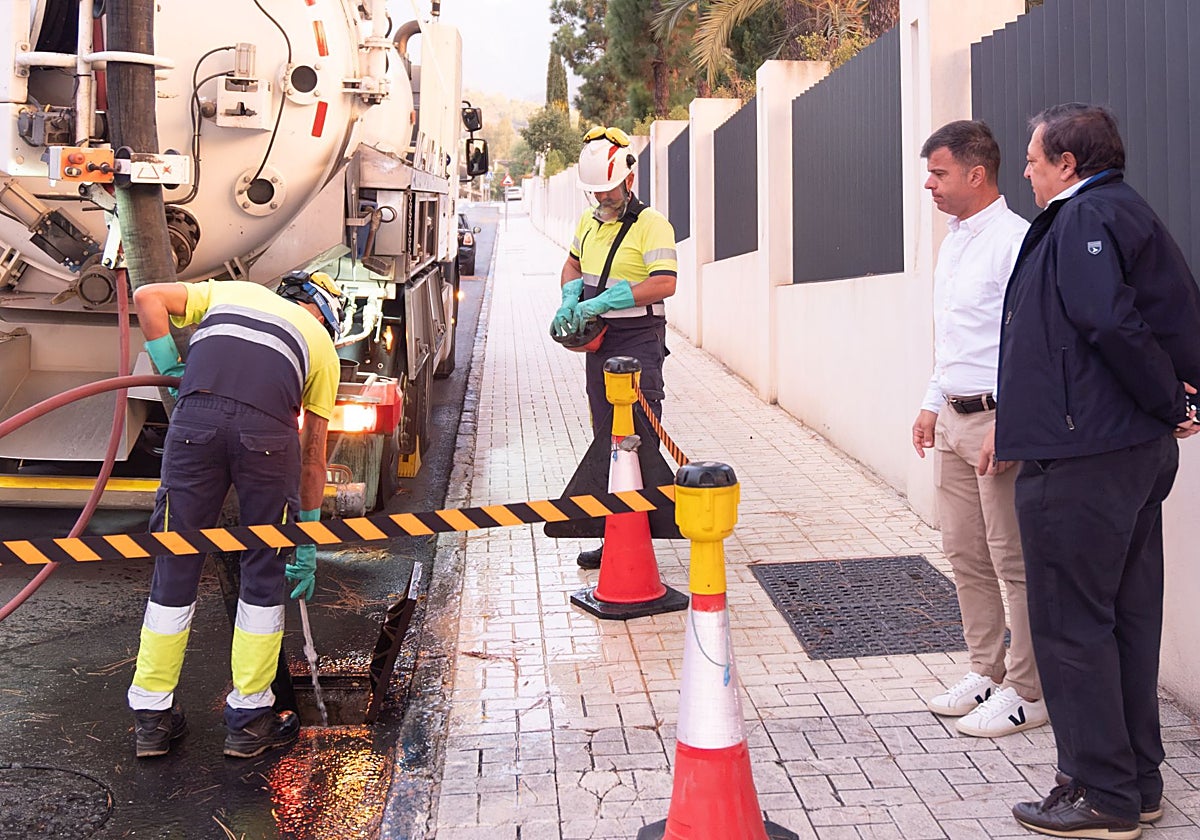
Marbella town hall continues to carry out ongoing maintenance and cleaning work on the municipal drainage network, with more than 19,000 drains cleaned so ... far this year and over 80 per cent of the scheduled work completed. The scheme, coordinated by the municipal water and sewerage service in conjunction with Hidralia, aims to ensure the infrastructure functions correctly and to facilitate water drainage, particularly during periods of heavy rain. The councillor responsible for this area, Diego López, said that this work “is carried out on an ongoing basis and combines routine cleaning by sector with specific interventions based on the characteristics of each area and the weather forecast”. The municipal network comprises 29,614 drains and 927 kilometres of sewerage and stormwater pipes, which requires constant planning and preventative measures throughout the year.
“At the town hall, we are constantly working to keep the drains in the best possible condition, removing accumulated sediment and debris and checking the most vulnerable areas to ensure water can drain away effectively,” said the councillor, who visited the worksite alongside Hidralia’s manager for the Costa del Sol, Fulgencio Díaz. He emphasised the importance of preparing for rainfall in advance to reduce the risk of blockages and water build-up. He explained that as part of this initiative, all 556 drains located near schools were cleaned last August, as a preventative measure ahead of the start of the school year. Particular attention was paid to the Rafael Fernández-Mayoralas, Vicente Aleixandre and Valdeolletas schools due to their exposure to surface runoff and water accumulation.
The programme for October and November includes work at La Represa, Puente Málaga and Calle Algarrobo; in busy areas such as the Paseo Marítimo and Plaza de los Naranjos; and in areas with a high concentration of deciduous trees, such as Avenida José Manuel Vallés. It also includes work on Bulevar Alfonso Hohenlohe, Avenidas Severo Ochoa, Julio Iglesias and Oriental and Calle Fuente Nueva. Furthermore, the planned preventative work in the lower part of Nueva Andalucía, Sierra Blanca and neighbouring areas has now been completed.
The work involves removing debris that has accumulated in the drainage systems and checking that they are working properly. To maximise their effectiveness, they coordinate with the municipal street cleaning service, which is responsible for removing leaves and plant debris from the road surface and preventing them from reaching the drains and causing blockages.
Specific measures
The plan also sets out specific measures to be taken before, during and after episodes of heavy rain. In the event of adverse weather forecasts, checkpoints are set up and drains in the areas most at risk are inspected during the 24 hours leading up to the event. During rainfall, teams deal with blockages and isolated incidents and help to mark out any areas that may pose a hazard. Once the rainfall has stopped, work is carried out to remove any remaining standing water and to check that the drainage network has regained its full capacity.
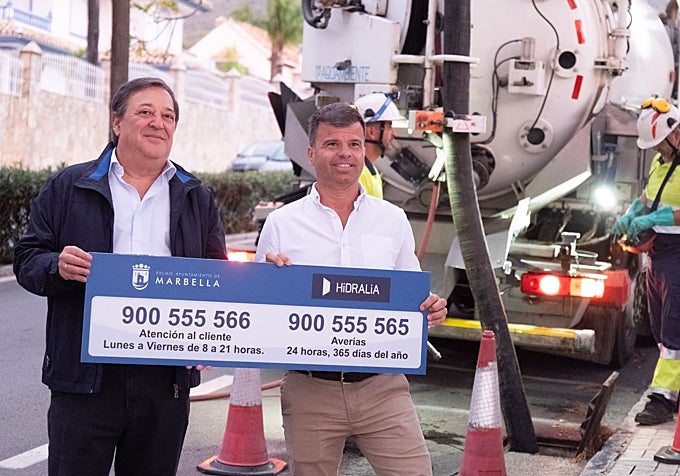
Finally, López has called on the public to help keep this infrastructure in good condition by not littering public spaces and ensuring that leaves and other debris do not block the drains. He also reminded the public that Hidralia’s freephone number, 900 555 565, is available 24 hours a day, 365 days a year, to report faults or any issues relating to the water and sewerage network. “Reporting these issues early on allows us to pass on the alerts to the relevant services and facilitates a quicker response to potential blockages or water build-up,” he said.
