
Marbella
Marbella approaches the end of a long process to open its castle to the public
The site is set to open following 11 excavations carried out since 2011
José Carlos García
Marbella castle is nearing the final stage of its restoration and is preparing to open to the public.
This marks the culmination of a lengthy process that has involved the demolition of terraced houses, restoration work and archaeological excavations.
The process began in 2011 as part of the master plan for the heritage site. The restoration and opening to the public is the final stage of the plan that has guided all the work since it was drawn up.
“The various investigations have provided us with very important information on the origins of the historic centre, which we can trace back to Roman times and about the construction and evolution of the fortress throughout the medieval period”, said the town hall’s spokesperson for culture, Carmen Díaz.
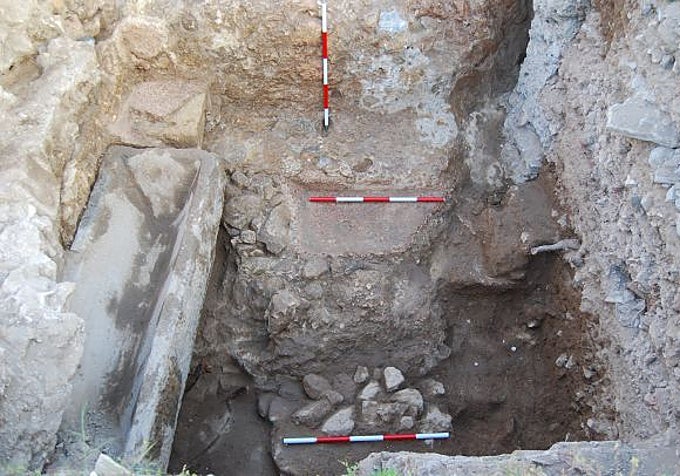
Díaz also explained that alongside the project, “numerous studies and analyses of the walls have been carried out, the results of which have been fundamental to understanding the castle’s architecture”.
As well as being “little known and poorly researched”, the castle has been an 'inaccessible' site, and this is the part of the process that the town council is now tackling.
This Caliphal castle, built in the 9th or early 10th century, occupies a large section of Marbella’s old town centre near the Plaza de Los Naranjos and the Iglesia de la Encarnación, the town’s oldest church.
The monument itself was officially declared a heritage site of cultural interest in 1949. Historians believe that the hole at the top of the tower is the legacy of the battle waged by the Catholic Monarchs in order to capture the town.
Related story
-
 José Carlos García
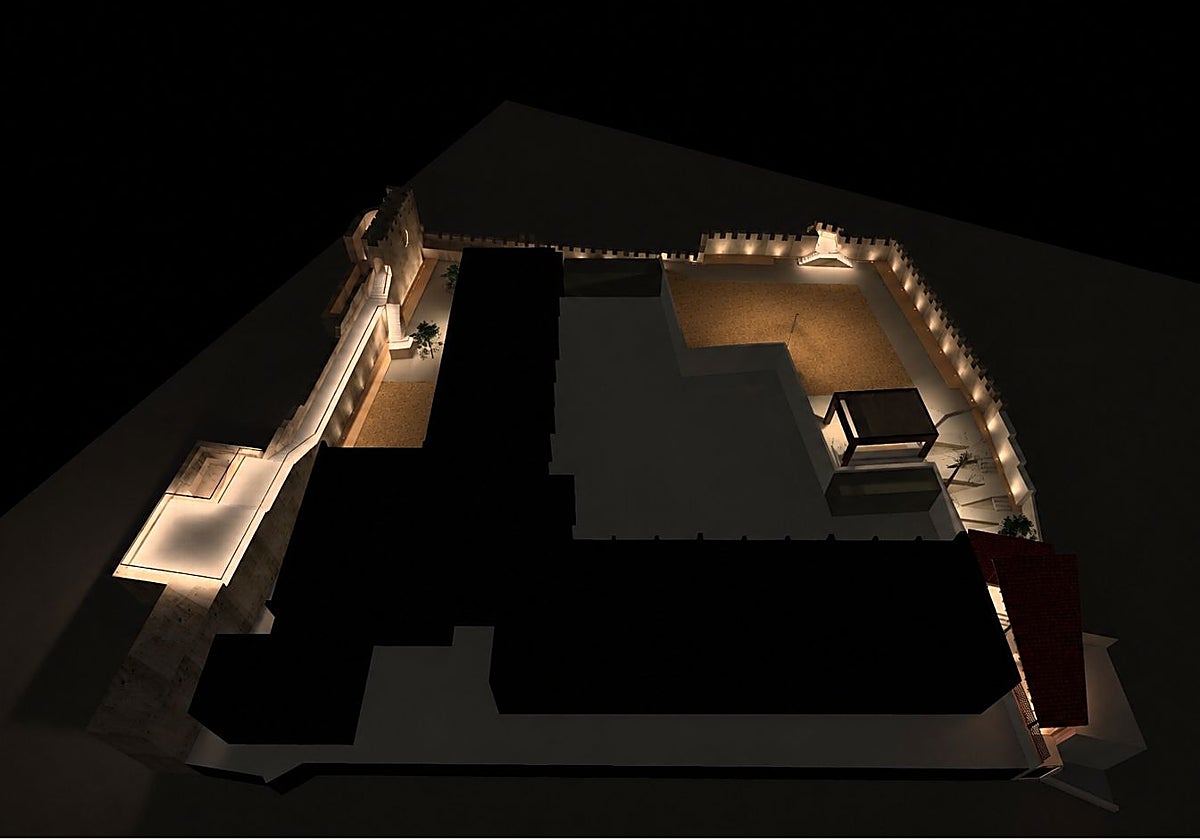
On the table is a preliminary design drawn up by architect Rafael Pozo Garciá-Baquero, which between September and October will be developed into a detailed design, enabling the Council to put out to tender the works that will lead to the opening of the venue.
Among the plans for the restoration, Pozo has proposed a redevelopment featuring a new entrance, improved accessibility, a shaded area for visitors, technical interior lighting and a walkway along the adarve (upper corridor that connected the watchtowers of surveillance or defensive purposes), which will offer views to the sea.
The castle shares its walls with the Nuestra Señora del Carmen school and the remains of the tower can currently only be accessed from the school itself.
"Harmonising" the new use with that of the school is one of the project’s challenges. “There is currently a physical division, but it is also on different levels,” Rafael Pozo García Baquero, the project's architect, tells SUR.
The entrance to the site will be via Calle Escuela, with a new access point created by demolishing the existing staircase and building a new one, complete with a lift, which can also be used to access the school.
The entrance will feature a wooden deck to bridge a three-metre difference in level, from there, the deck will continue to form an open-plan entrance hall, measuring between 30 and 50 square metres. In this space, where most of the architectural work is concentrated and where "friendly materials" such as ceramics will be used, a video will be projected. From there, visitors will enter the interior of the venue, which is spacious and trapezoidal in shape.
On one side, the architect explains, there will be a small grandstand, also made of wood, featuring a pergola designed to provide shade for daytime visitors on hot days, with a maximum capacity of 50 people.
The site will be accessible to people with reduced mobility, although it will not be possible to climb up to the rampart walk, where visitors will be able to access the so-called Torre del Cubo, which has been restored and features two sections, two storeys and a vaulted gallery.
Visitors will also be able to reach the Torre del Chorrón, where there will be a viewing point offering views of the historic centre. All of this will be complemented by technical lighting that enables night-time visits.
“We are at a very important juncture because this project will enable the town to fully reclaim what is probably its most representative site,” said Díaz.
The councillor added that “the future opening of the inner grounds will turn it into a first-rate cultural, educational, tourist and informative resource for the town”.
![[]](http://static.vocstatic.com/voc26/latest/assets/images/favicon/surinenglish/apple-touch-icon-57x57.png)