
History
Archaeological survey of Marbella Castle completed after 15 years of work
Eleven excavations have been carried out since 2011, resulting in the documentation of significant finds from the Roman and medieval periods

Marbella
After fifteen years of work and eleven excavations, Marbella town hall has successfully completed the diagnostic and archaeological research phase at Marbella castle. The work ... has confirmed the richness and complexity of the site, as well as its continuous occupation throughout various periods of history.
“The various investigations have provided us with very important information on the origins of the historic centre, which we can now trace back to Roman times and about the construction and evolution of the fortress throughout the medieval period,” said the town hall's spokesperson for culture, Carmen Díaz, referring to a process that began in 2011 with the development of a master plan.
Related story
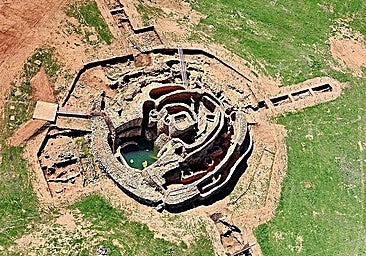
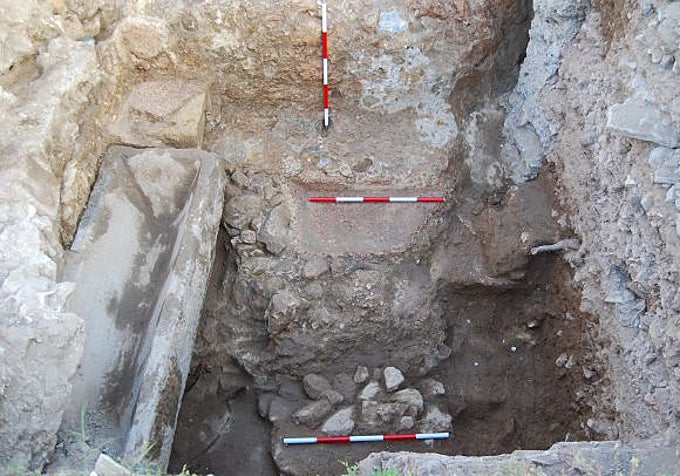
The document, aimed at promoting the research, conservation and enhancement of this Site of Cultural Interest (BIC), highlighted the need to produce rigorous documentation on the heritage site. Initial test excavations brought to light the remains of a Roman structure, which made it possible to trace the origins of the old town back to periods previously unknown.
The study of the site has involved excavations, geophysical surveys using ground-penetrating radar, mortar analysis, dating tests, examination of wall surfaces, topographical surveys and photogrammetric work. The application of these techniques has led to a more precise understanding of the fortress’s origins and development, as well as providing essential information on the architectural configuration of its walls.
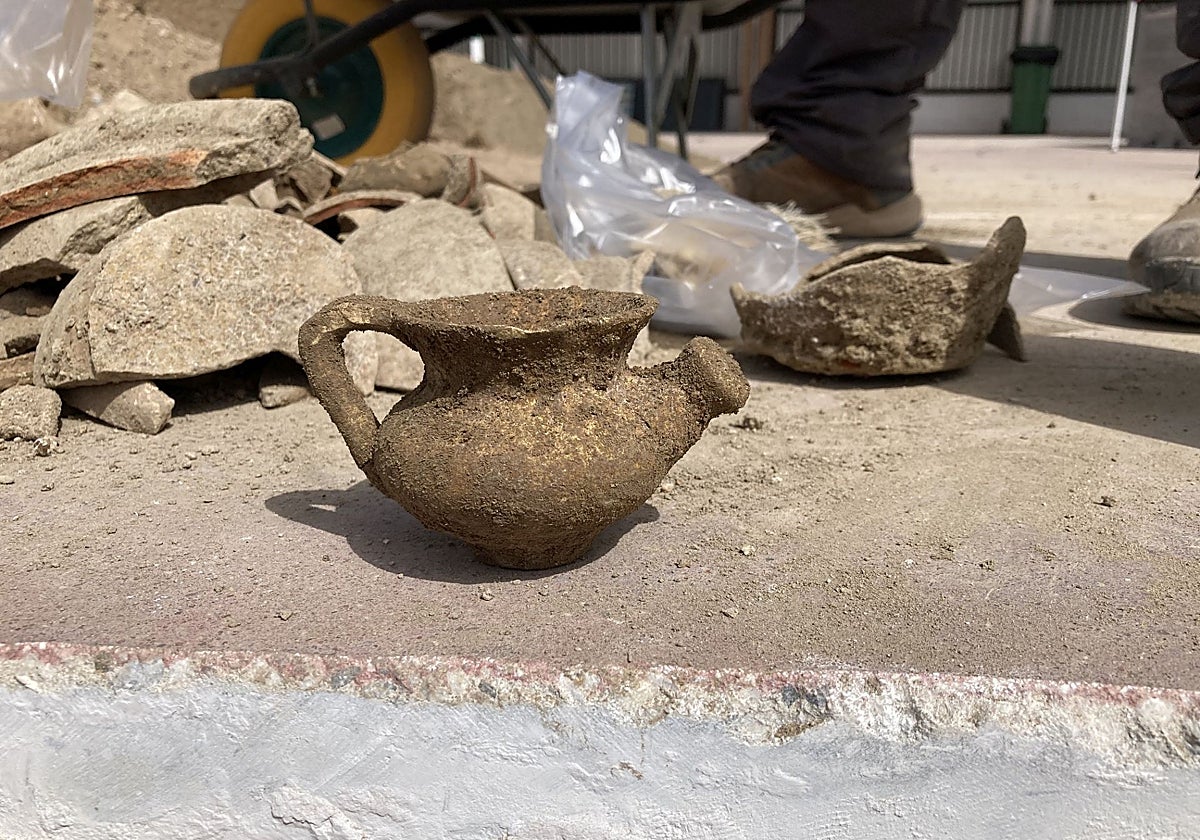
Díaz explained that this year’s campaign has focused on a test excavation carried out in the playground of the Nuestra Señora del Carmen primary school, where she explained that the excavation has identified five historical phases, “among which a septic tank from the Almohad period, dating from the second half of the 12th century, stands out, containing a wealth of ceramic material and several complete pieces”.
Related story
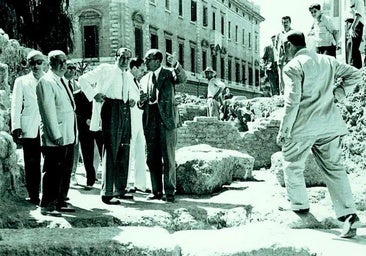
Díaz also explained that alongside this project, “numerous studies and analyses of the walls have been carried out, the results of which have been fundamental to understanding the castle’s architecture”. In this regard, the municipal head of Culture recalled that the information gathered “was directly applied to the planning of the restoration and conservation work on the north and east walls, carried out between 2023 and 2024”.
Following on from these measures, the town hall has commissioned the drafting of a project that will look into the measures required to improve visitor access to and showcase the interior of Marbella Castle’. The aim is to make it easier for residents and visitors alike to access, understand and enjoy one of the town's most iconic historic sites. “We are at a very important juncture because this project will enable the town to fully reclaim what is probably its most representative site,” said Ms Díaz. The councillor added that “the future opening of the inner grounds will turn it into a first-rate cultural, educational, tourist and informative resource for the town”.
![[]](http://static.vocstatic.com/voc26/latest/assets/images/favicon/surinenglish/apple-touch-icon-57x57.png)