
History
Water reappears in the oldest, deepest well on the Iberian Peninsula
Archaeology: the heavy rains that fell across Spain this winter and spring have restored the Motilla del Azuer well to its original function when built some 4,000 years ago
J. M. L.
Ciudad Real
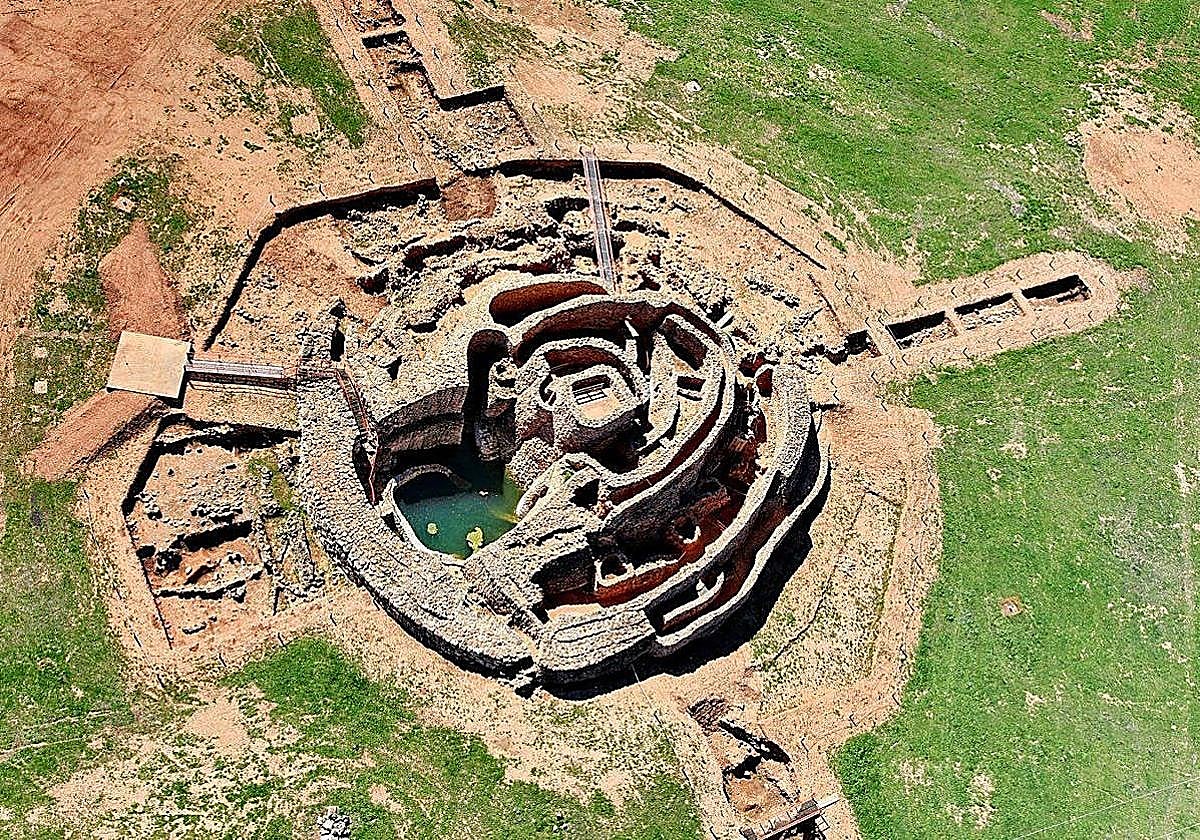
Winter rains and those first weeks of spring with Atlantic storms have allowed water to flow again in the oldest and deepest well on the Iberian Peninsula, located at the archaeological site of Motilla del Azuer in Daimiel (Ciudad Real province). For a decade, this well was visibly dry, a well that was built in the Bronze Age some 4,000 years ago.
"The rains have recharged the aquifer and raised the water table, allowing water to resurface in the archaeological section of the well," explains archaeologist and site manager Miguel Torres. Currently, the water level is approximately one to 1.5 metres from the base of the well. The reappearance of water has, of course, attracted hundreds of visitors. Ten years ago, the well was partially filled, but the water still disappeared shortly afterwards.
This well is considered to be the oldest and deepest on the Iberian Peninsula, reaching over 12 metres below the surface, "which demonstrates that they had to excavate extensively to reach the water table", adds Miguel Torres. Its current state reveals its original function for which it was built during the Bronze Age and "helps us better understand its importance to the prehistoric communities that inhabited the area", says Torres.
Las Motillas
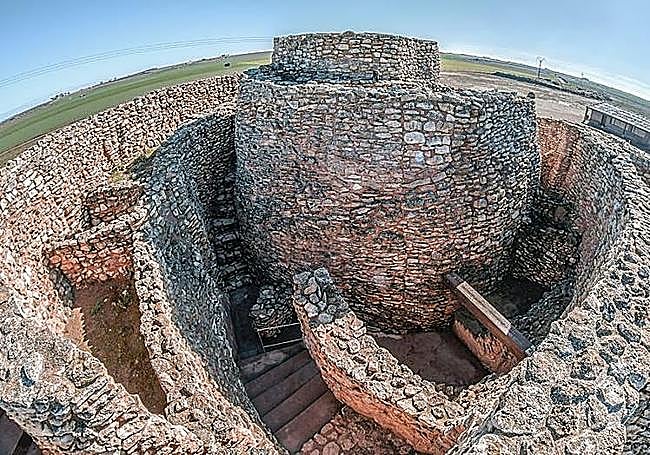
This archaeological site, open to the public, was a prehistoric settlement located 14 kilometres from the present-day municipality of Daimiel. Its name, "motilla", represents one of the most unique types of prehistoric settlement on the Iberian Peninsula: artificial mounds between four and ten metres high, reinforced with a fortification with several concentric lines of protective stone walling.
The distribution of these structures is centred on the plains of La Mancha, spaced four to five kilometres apart, around riverbanks, small lakes and marshy areas. The Motilla del Azuer is located next to the Azuer river. The monumental scale of its fortifications, with masonry walls over eight metres high, indicates that this settlement played a significant role within the Bronze Age period of the Iberian Peninsula.
Within its fortified enclosure, a vital resource was protected - water drawn from the water table via a well to supply the settlement - but barley and wheat were also stored and processed there on a large scale, pottery was produced and livestock raised.
Related story
-U14475451585DOP-366x256@Diario%20Sur.jpg)
The fortification mound, approximately 40 metres in diameter, still retains a tower, three concentric lines of walls and a large courtyard. Access to the interior is possible via ramps embedded in narrow passageways.
The settlement also had a necropolis where human remains have been found in the fetal position in simple graves, dug as pits, and in graves lined with masonry walls or embedded flagstones. In the case of children, their bodies were placed inside vessels.
![[]](http://static.vocstatic.com/voc26/latest/assets/images/favicon/surinenglish/apple-touch-icon-57x57.png)