Malaya, two decades since the operation that changed Marbella's history
It has been 20 years since the first arrests led to the end of the web of corruption that governed the town hall


On 29 March 2006, the streets of Marbella awoke to an unusual sight. Those heading to work or school that Wednesday encountered a police deployment that was striking not only for the number of officers but also for where they were stationed. The presence of National Police vans at various points in the town, including outside the town hall, signalled that something extraordinary was about to happen that day.
It was not so unusual for Marbella to be in the centre of a large police operation. A year earlier, operation 'Ballena Blanca' had caused a major stir due to the profile of those arrested for a money-laundering scheme. The town hall, after years of former mayor Gil's rule, had already been the subject of repeated police investigations. This time, however, there was a sense that something might be different.
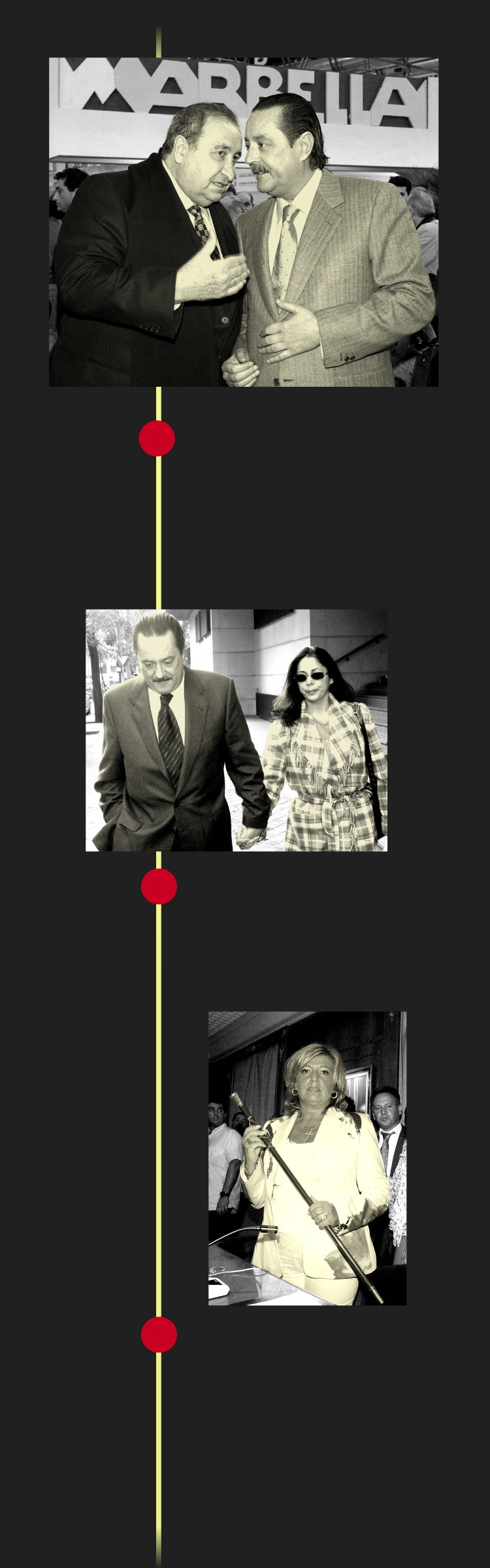
1991 - 2002
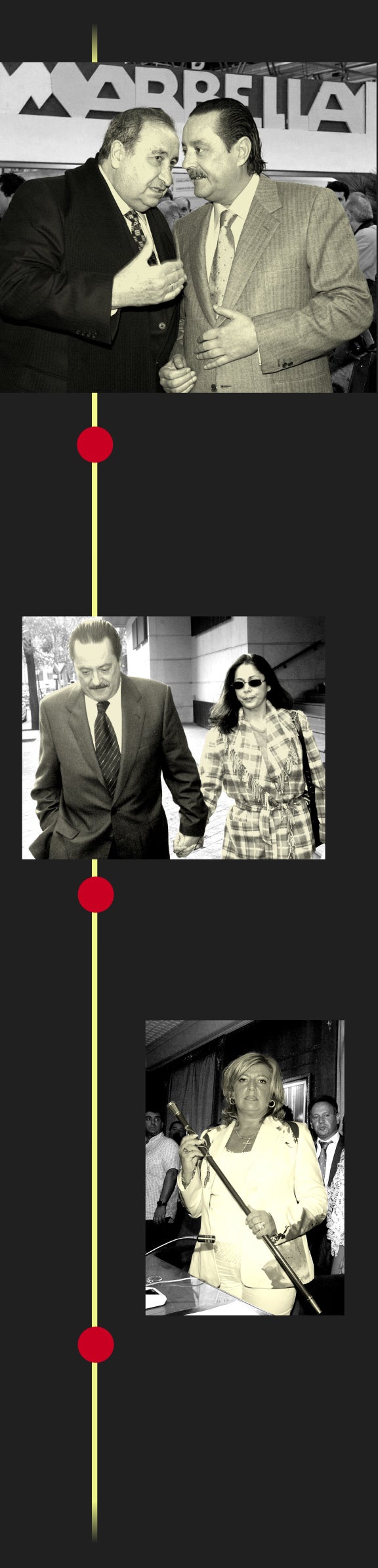
Jesús Gil governs Marbella with his GIL party until he is banned from public office due to a corruption case.
April 2002
Julián Muñoz takes over as mayor after Jesús Gil's departure.
August 2003
Vote of no confidence against Muñoz; Marisol Yagüe becomes mayor and Juan Antonio Roca regains power.
1991 - 2002
Jesús Gil governs Marbella with his GIL party until he is banned from public office due to a corruption case.
April 2002
Julián Muñoz takes over as mayor after Jesús Gil's departure.
August 2003
Moción de censura contra Muñoz; Marisol Yagüe asume la alcaldía y Juan Antonio Roca recupera el poder.
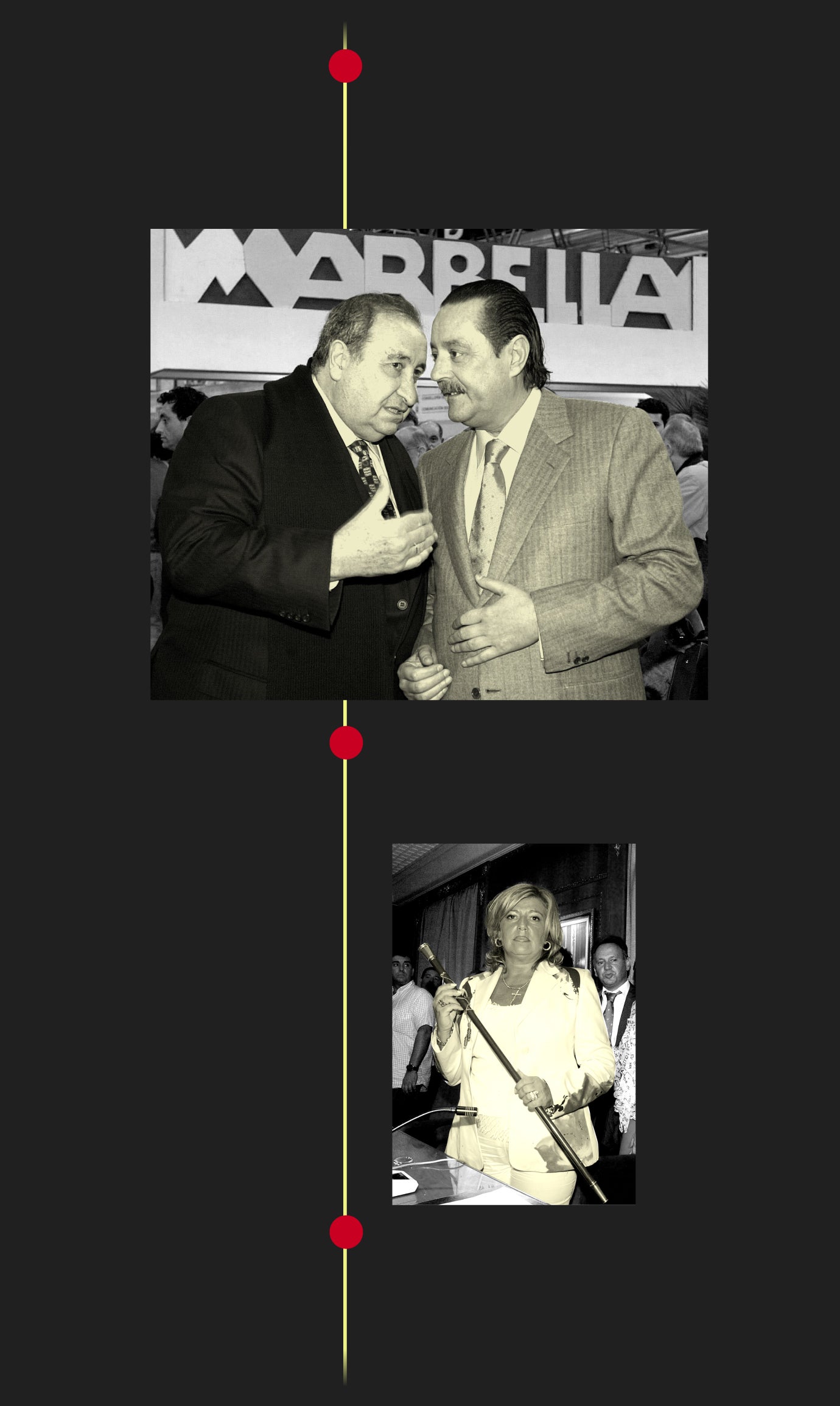
1991 - 2002
Jesús Gil governs Marbella with his GIL party until he is banned from public office due to a corruption case.
April 2002
Julián Muñoz takes over as mayor after Jesús Gil's departure.
August 2003
Vote of no confidence against Muñoz; Marisol Yagüe becomes mayor and Juan Antonio Roca regains power.
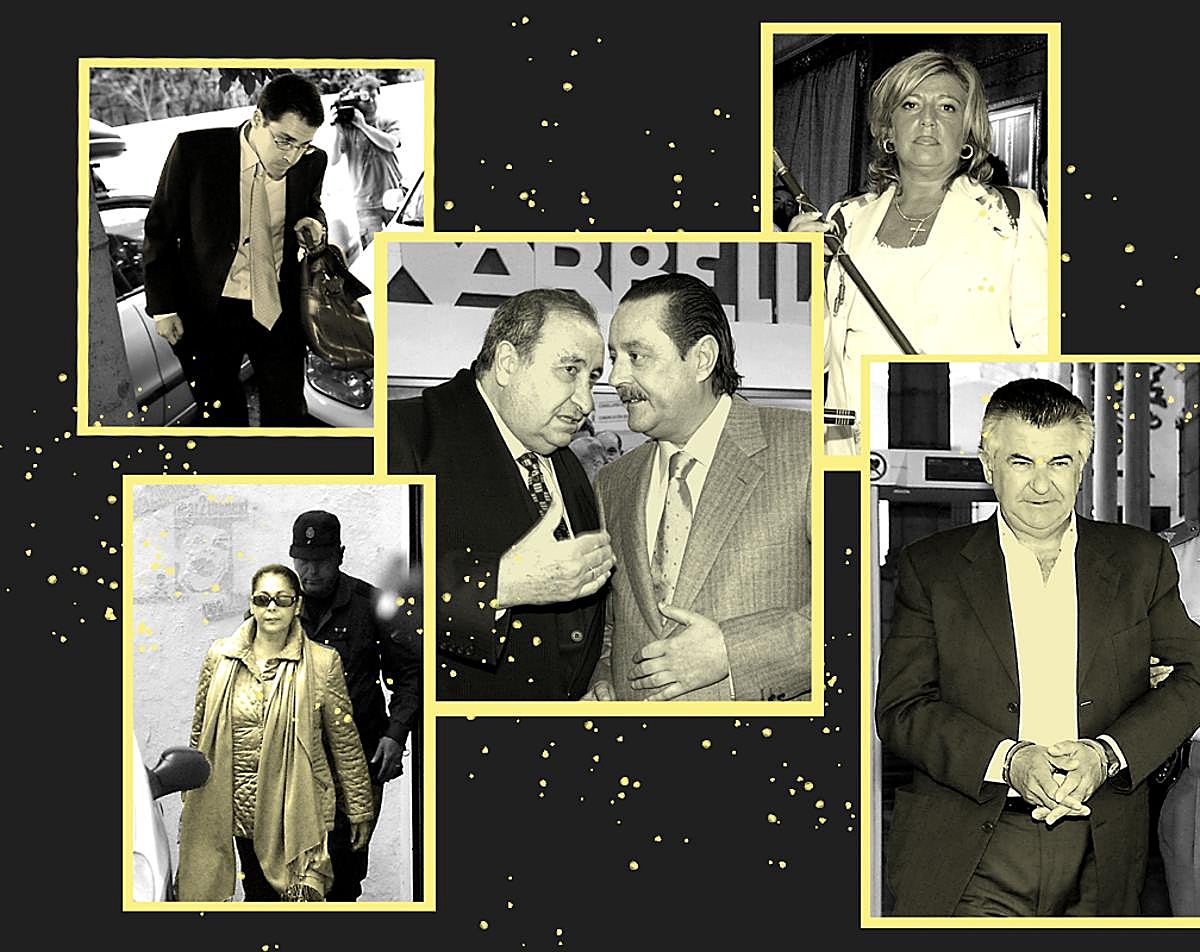
Although the entire town seemed to be under police control, this time the operation was taking place in very specific locations: the town hall, the urban planning offices, the headquarters of the Marbella Local Police and the homes of people with great power in the municipality, including Mayor Marisol Yagüe, urban planning adviser Juan Antonio Roca and several councillors from the local ruling team.
That sunny Wednesday at the start of spring, with temperatures reaching 23C, would go down in history as the day a hidden power structure, built over nearly 15 years under the protection of the then-deceased Jesús Gil to plunder one of Spain's most prosperous towns, was dismantled. That day, Caso Malaya came to light, becoming known as the first major municipal corruption scandal uncovered in this country.
The police used nicknames for the people under investigation to avoid leaks
The operation began to take shape much earlier, in November 2005, when town hall worker Jorge González testified in one of the many cases of urban planning irregularities plaguing Marbella. González told the judge quite naturally that the person who truly controlled the town hall was not the mayor but Juan Antonio Roca, the former head of urban planning, formally appointed as an adviser.
The magistrate who heard that statement was no ordinary judge. Miguel Ángel Torres had only been in Marbella a short time, but at 33, he had already sensed that something was amiss in the town.

Nov. 2005
A town hall worker (Jorge González) tells Judge Torres that it is really Juan Antonio Roca who pulls the strings at Marbella town hall.
29 March 2006
Operation Malaya breaks with multiple arrests, including the mayor Marisol Yagüe and her adviser Roca.
7 de April 2006
El Gobierno aprueba la disolución del Ayto. de Marbella por su corrupción sistémica.
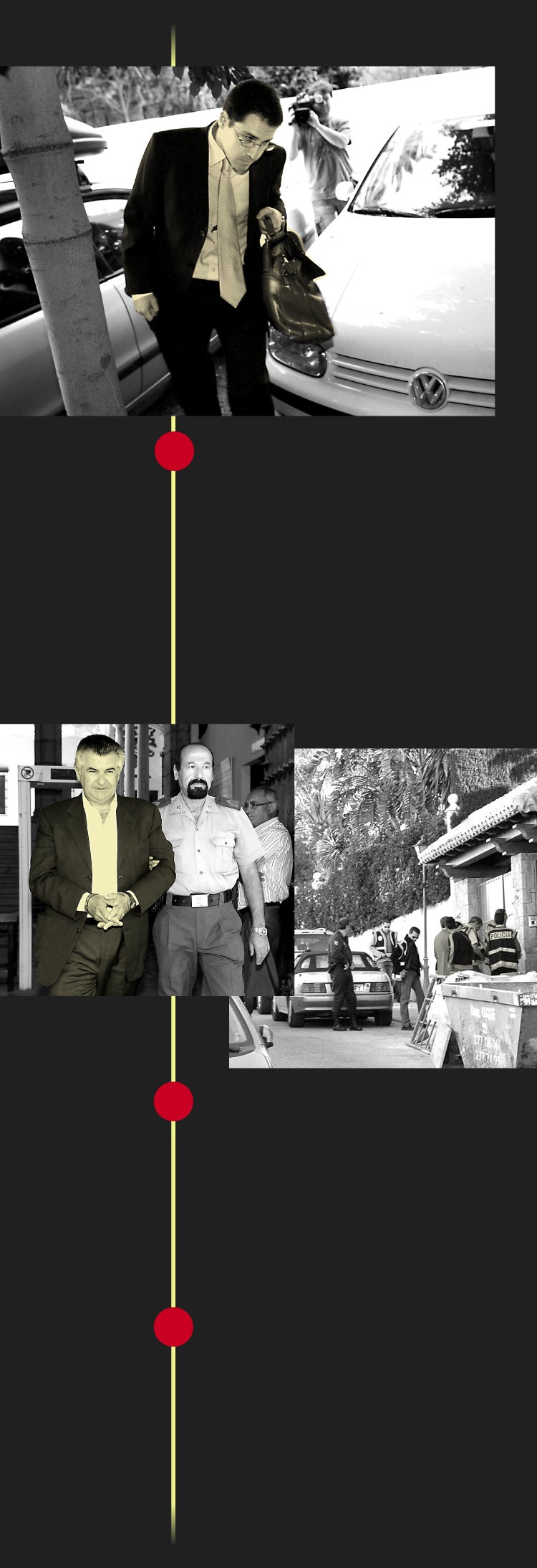
Nov. 2005
A town hall worker (Jorge González) tells Judge Torres that it is really Juan Antonio Roca who pulls the strings at Marbella town hall.
29 March 2006
Operation Malaya breaks with multiple arrests, including the mayor Marisol Yagüe and her adviser Roca.
7 April 2006
The Spanish government approves the historic dissolution of Marbella town hall due to systemic corruption..
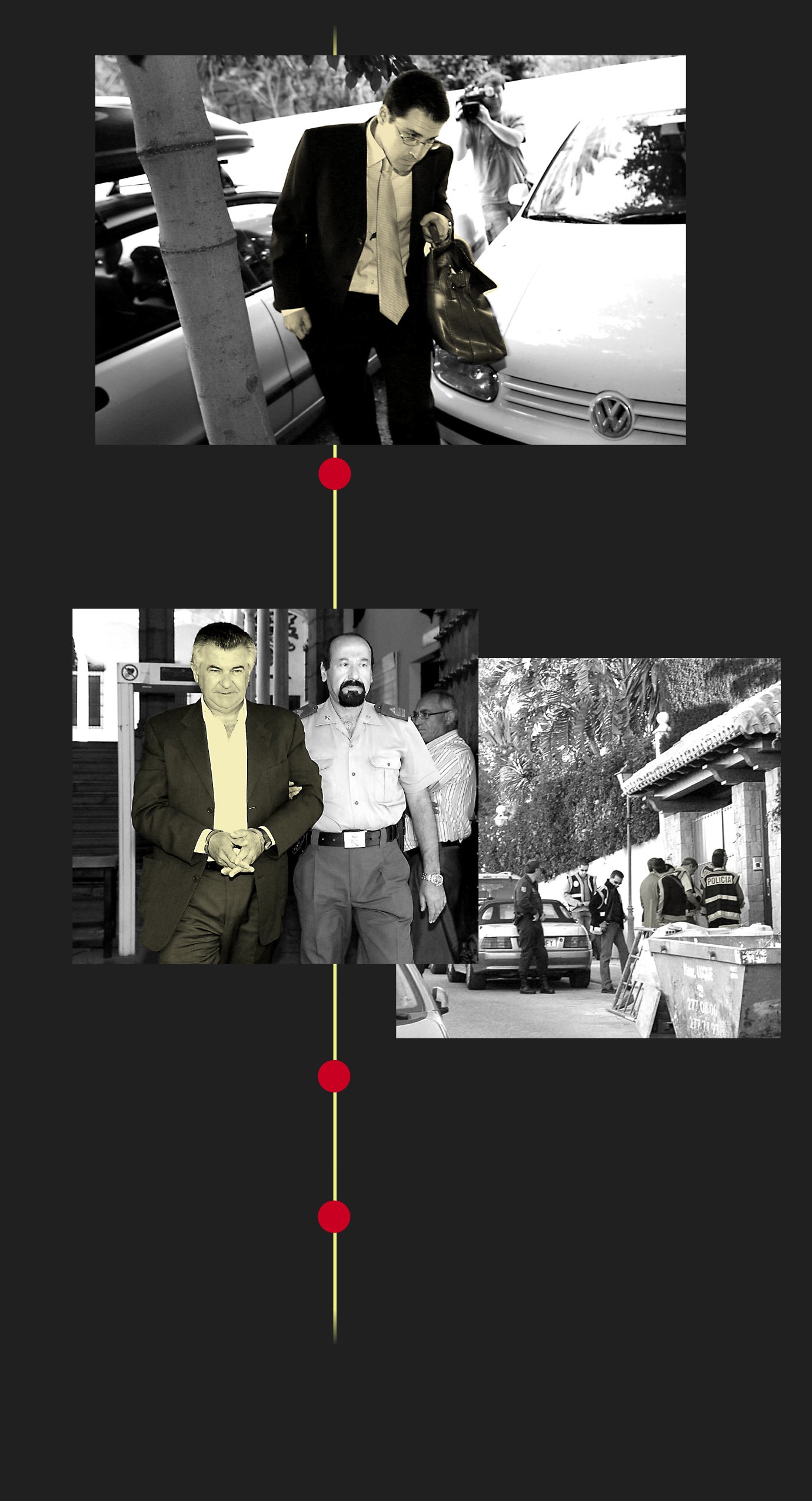
Nov. 2005
A town hall worker (Jorge González) tells Judge Torres that it is really Juan Antonio Roca who pulls the strings at Marbella town hall.
29 March 2006
Operation Malaya breaks with multiple arrests, including the mayor Marisol Yagüe and her adviser Roca.
7 April 2006
The Spanish government approves the historic dissolution of Marbella town hall due to systemic corruption.
The town hall was at the time controlled by a tripartite alliance that, rather than being the result of a political agreement, turned out to be a shady business partnership. Between 1991 and 2002, the town had been governed by business magnate Jesús Gil - head of the GIL party that used the letters of his surname (Grupo Independiente Liberal). Gil had won broad popular support in three consecutive elections.
He was unable to run in the fourth election, held in 2003, after a disqualification for one of the many corruption cases opened against him forced him to leave the town hall in April 2002. Gil appointed one of his closest collaborators, Julián Muñoz, as his successor.
The judge started to work on the case in the evenings without using the computer system to protect the investigation
With Muñoz at the helm, GIL repeated its absolute majority in the May 2003 elections, but by then the division of dwindling spoils had already opened a rift within the party. Three months after those elections, an unusual alliance involving most of the GIL councillors, three socialist dissidents led by Isabel García Marcos and three members of the regional Partido Andalucista led by Carlos Fernández, ousted Muñoz from the mayor's office and replaced him with Marisol Yagüe - a woman with little training, but who had been part of the GIL party since its early days.

Related story
Marbella, 20 years since Malaya case
Juan Antonio Roca, who had previously been removed from his position of power, resumed control of the town hall.
With González's testimony before him in 2005, Judge Torres understood that he had the opportunity to dismantle the corruption network that ruled the town with absolute impunity. He turned to the investigators who had accompanied him in Ballena Blanca - a multidisciplinary group made up of young police officers, tax officials and anti-corruption prosecutor Juan Carlos López Caballero.
With González's testimony before him in 2005, Judge Torres understood that he had the opportunity to dismantle the corruption network that ruled the town with absolute impunity. He turned to the investigators who had accompanied him in 'Ballena Blanca' - a multidisciplinary group made up of young police officers, tax officials and anti-corruption prosecutor Juan Carlos López Caballero.
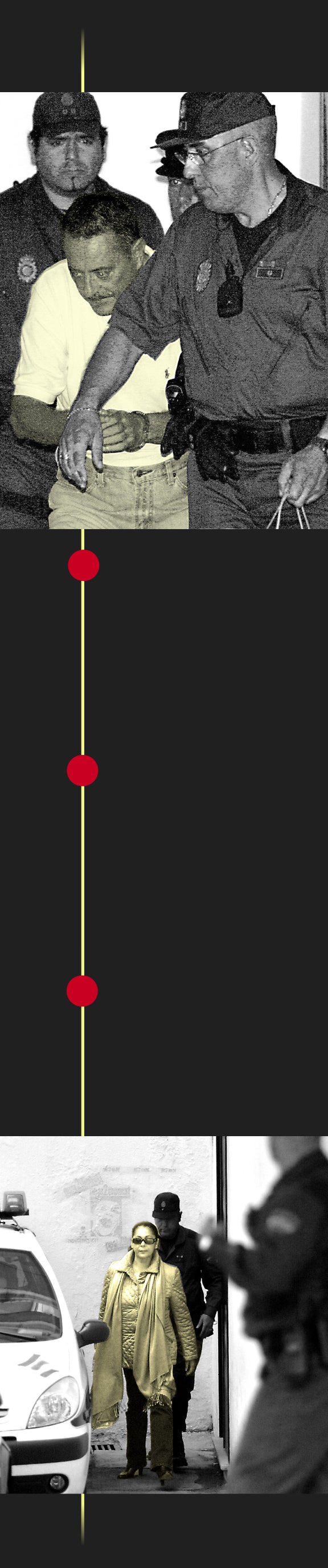
July 2006
Phase two the operation; the arrest of former mayor Julian Muñoz and other former councillors and business owners.
November 2006
Phase three: arrests include Muñoz’s ex-wife Maite Zaldívar and property developer José María González de Caldas.
2 May 2007
La cantante Isabel Pantoja es detenida por su implicación en el blanqueo de capitales de la trama.
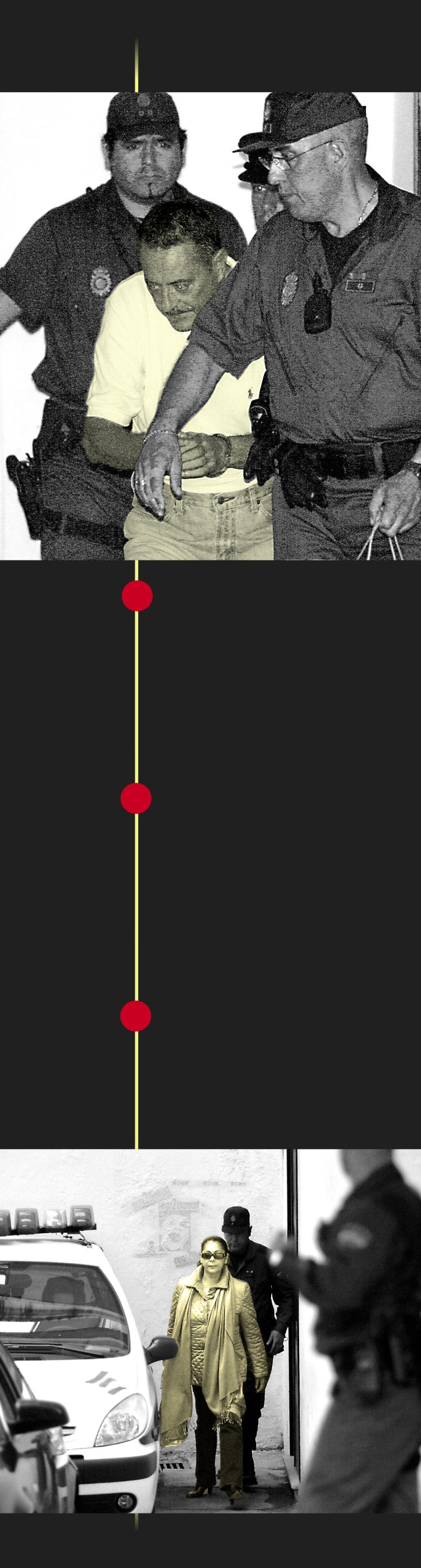
July 2006
Phase two the operation; the arrest of former mayor Julian Muñoz and other former councillors and business owners.
November 2006
Phase three: arrests include Muñoz’s ex-wife Maite Zaldívar and property developer José María González de Caldas.
2 May 2007
Singer Isabel Pantoja is arrested for her involvement in money laundering for the system.
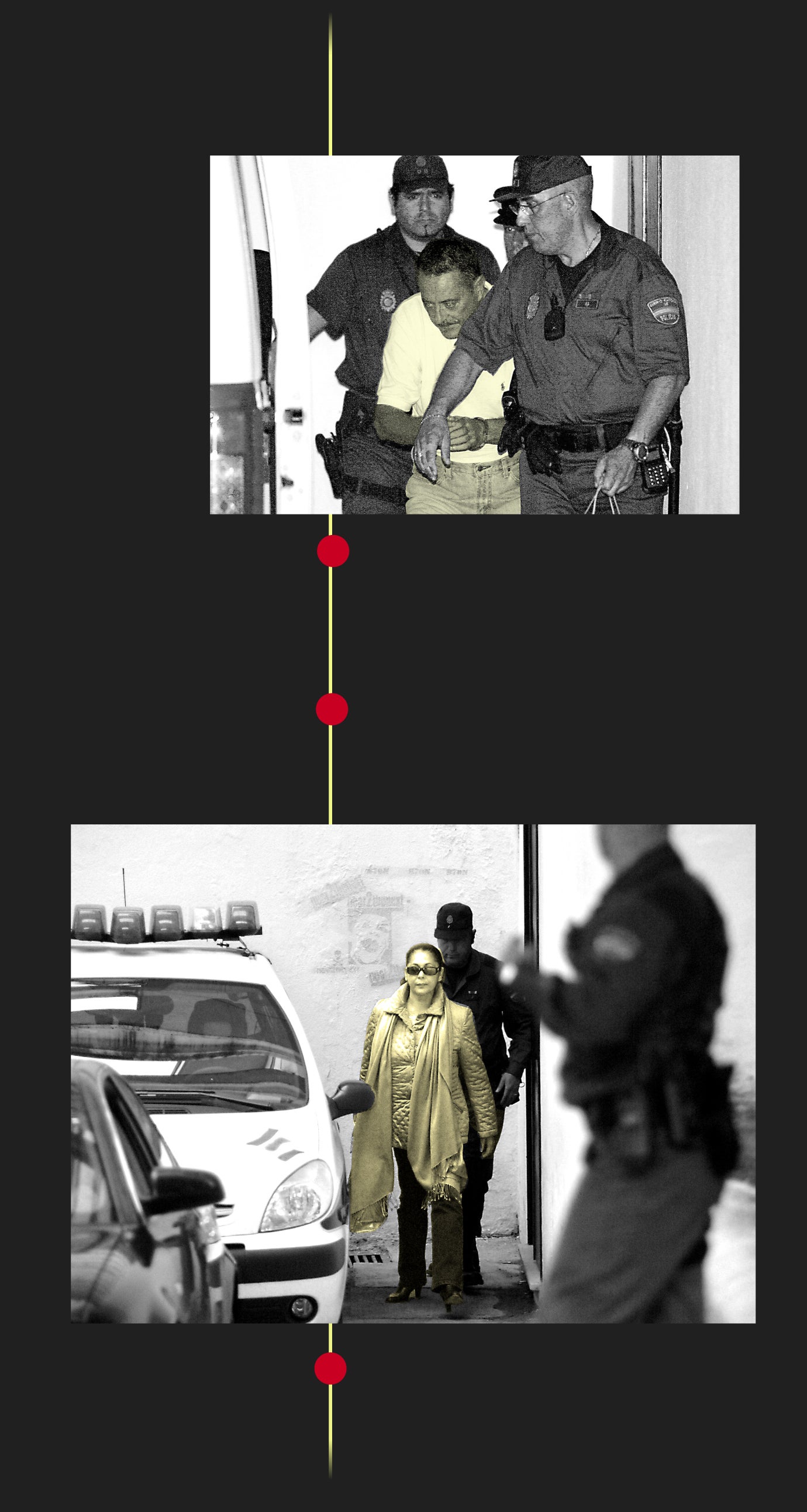
July 2006
Phase two the operation; the arrest of former mayor Julian Muñoz and other former councillors and business owners.
November 2006
Phase three: arrests include Muñoz’s ex-wife Maite Zaldívar and property developer José María González de Caldas.
2 May 2007
Singer Isabel Pantoja is arrested for her involvement in money laundering for the system.
The team began working with the utmost discretion. They knew that the tentacles of municipal power reached every corner of the town and that not even the Marbella courts escaped the control of the network, as had already been demonstrated by the theft of a case file that once implicated Jesús Gil himself.
Aware of the risk of leaks, they designed an operation to investigate with the greatest secrecy. The police imposed strict secrecy on their group to protect the information. They even devised nicknames to identify the targets, so that those in charge of the surveillance wouldn't even know the identity of the people they were watching. Roca became Pedro, Yagüe became Heidi.
The case was built in the evenings, out of sight of officials and without using the court's computers to avoid prying eyes.
The raid
The investigation started bearing fruit three months after launching. On 29 March 2006, hundreds of police raided Marbella and made around 20 arrests, but the investigation had only just begun.
Between December 2005 and March 2006, the money-laundering group of the National Police force carried out more than 200 wiretaps, mostly on the telephone lines of the main members of the municipal corruption network.
Among those investigated were the most powerful figures in the town hall, several of their close associates and some of the business owners who were benefiting from these activities. Juan Antonio Roca, Marisol Yagüe, several councillors, the head of the Local Police and several of Roca's front men were among the people who the police tracked down and brought before the judge. Several people went to prison.
The operation had an unprecedented impact on Spanish democracy. Not only were people imprisoned while holding public office, but it also ended the perception that public institutions were havens of impunity.
On 7 April, the Andalusian regional government approved the dissolution of Marbella town hall after obtaining the endorsement of the Senado.
It was the first time such a serious decision had been taken in Spain. A caretaking committee appointed by the provincial authority would govern Marbella for 14 months, until the next municipal elections in the spring of 2007.
That police deployment was only the first in an operation that dragged on and unfolded in several phases. The documentation gathered in that first phase provided access to a wealth of information that took the police months to process, but which would lead, four months later, to a second phase in which former mayor Julián Muñoz and other former councillors and entrepreneurs were arrested.
The investigation unfolded with a cascading effect. The information obtained in each phase led to new arrests and searches, which in turn yielded new data that uncovered further illegal activities and expanded the list of those involved. In November 2006, a third phase took place, resulting in the arrest of Maite Zaldívar (Julián Muñoz's ex-wife) and developer José María González de Caldas.
The investigation unfolded with a cascading effect. The information obtained in each phase led to new arrests and searches, which in turn yielded new data that uncovered further illegal activities and expanded the list of those involved. In November 2006, a third phase took place, resulting in the arrest of Maite Zaldívar (Julián Muñoz's ex-wife) and developer José María González de Caldas.
More than a year after the first arrests, 'Malaya' reached one of its most high-profile moments. At midnight on 2 May 2007, the police arrested singer Isabel Pantoja at her home in connection with a money-laundering operation carried out by her partner, Julián Muñoz. The media coverage was extraordinary and the case, to the chagrin of the investigators, became fodder for celebrity gossip programmes.
The Malaya case uncovered the biggest corruption scheme in Spain up to that point, although subsequent trials showed that political corruption was unfortunately not exclusive to the town of Marbella.
The Malaya detainees had looted Marbella for 15 years and the state had failed to act, until a 33-year-old judge and a group of relatively inexperienced young police officers decided to rescue the dignity of public institutions.
¿Tienes una suscripción? Inicia sesión