
Archaeology
New lease of life for the early Christian basilica and Roman baths of San Pedro Alcántara
Marbella council approves a conservation project to restore and enhance the archaeological heritage of the Vega del Mar site
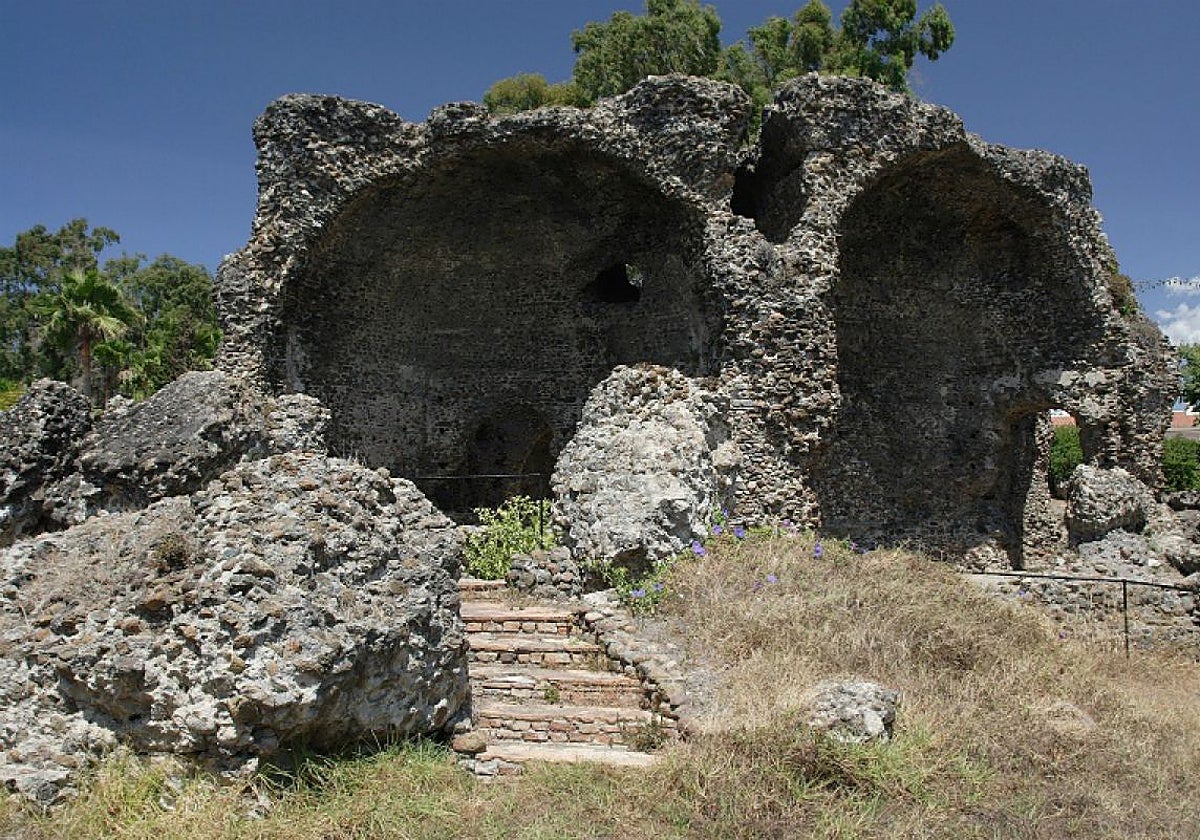

Marbella
Marbella’s historical landscape is set for a significant transformation. The local government has greenlit a project for two of its most significant archaeological treasures: ... the Paleochristian Basilica of Vega del Mar and the Roman Baths of Las Bóvedas, both situated in San Pedro Alcántara.
The initiative focuses on the stabilisation of structures that have been weakened by time and exposure to the elements. According to the project specifications, the works include professional cleaning of the remains, the removal of invasive vegetation, and the specialised treatment of original masonry to prevent further erosion.
Related story
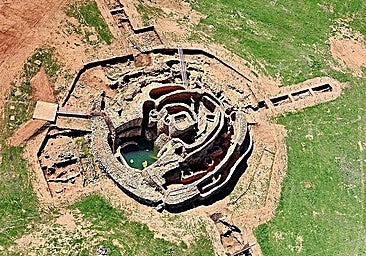
Beyond preservation, the project aims to improve "visitability" through the installation of new interpretive signage and the creation of accessible pathways. These improvements are designed to help visitors understand the historical weight of these sites, which date back to between the 2nd and 6th centuries.
Heritage and investment
The Mayor of Marbella, Ángeles Muñoz, emphasised the importance of the project, noting that it represents a decisive step in the city's commitment to recovering the history of San Pedro Alcántara. The intervention is framed within the Plan Turístico de Grandes Ciudades, a co-financed agreement between the Marbella Council and the Junta de Andalucía.
The Deputy Mayor of San Pedro Alcántara, Javier García, has also been a key figure in coordinating the project, ensuring that the recovery of the Roman and early Christian past is integrated into the district's broader cultural strategy.
The Basilica of Vega del Mar
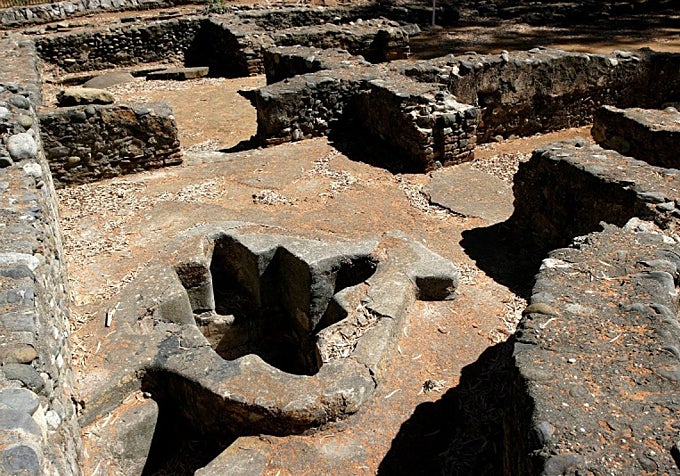
Discovered in the early 20th century, the 4th-century site is one of the most significant early Christian archaeological finds in Spain. It features a rare double-apsed layout and a necropolis with more than 180 graves. Its most striking feature is a monolithic cruciform baptismal font, which was used for baptism by immersion during the Visigothic era.
The Roman baths of Las Bóvedas
Located near the mouth of the Guadalmina River, these 2nd-century thermal baths are remarkably well-preserved. Built of opus caementicium (Roman concrete), the structure is famous for its octagonal central hall and the remains of the vaulted roofs that give the site its name (Las Bóvedas). These baths are thought to be linked to the Roman salt-fish industry that once thrived along this coastline.
Technical restoration
The technical team will employ traditional lime mortars and reversible consolidation techniques. By integrating these sites into the municipality's cultural circuit, the council aims to diversify Marbella's appeal. Once completed, the Vega del Mar site will serve as a primary landmark for historical research and cultural tourism on the Costa del Sol.
![[]](http://static.vocstatic.com/voc26/latest/assets/images/favicon/surinenglish/apple-touch-icon-57x57.png)