
Health
Malaga hospitals and health centres establish minimum services for 11 November general strike
SAS guarantees 100 per cent of Sunday and holiday emergency care alongside non-deferrable treatments including chemotherapy and dialysis
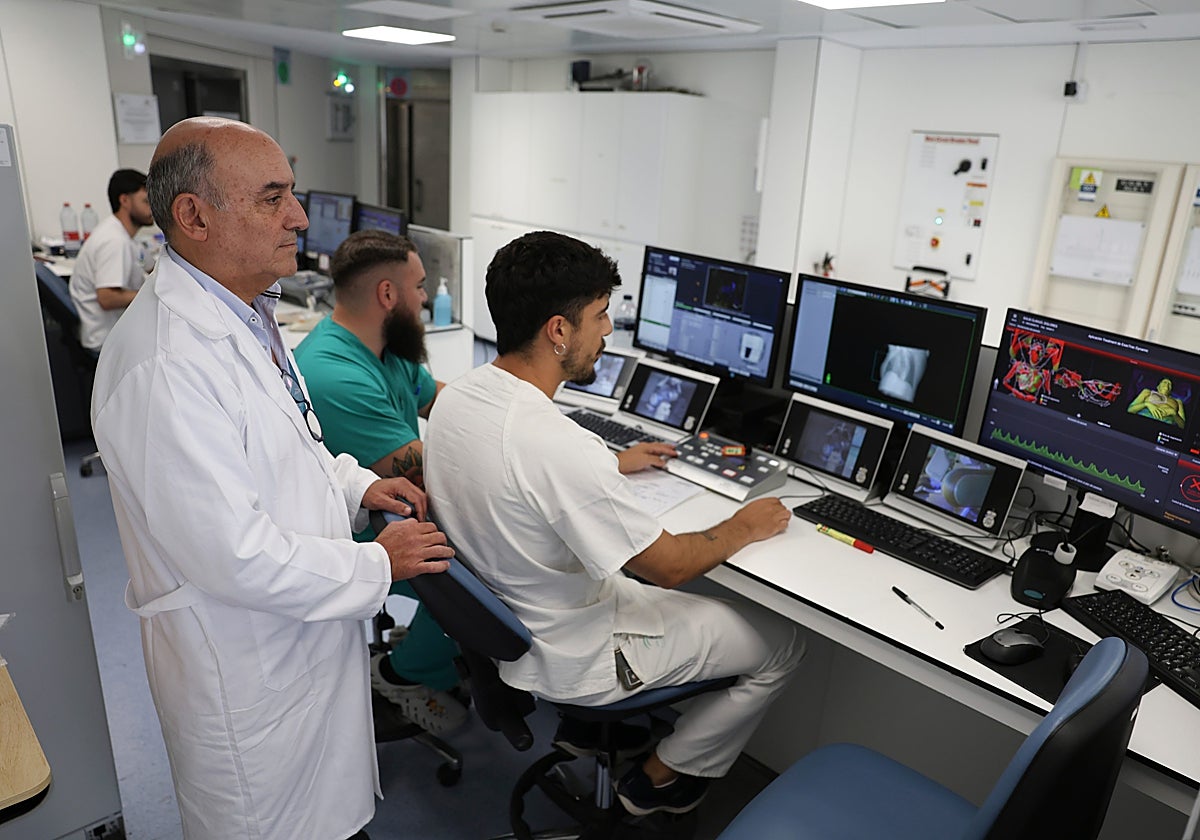

The SAS (Andalusian health service) published on Monday the minimum services that will be in place in public hospitals, health centres and GP consultations in ... Malaga on 11 November, the day of the general strike over housing, wages, the cost of living and the current state of public services. These measures also affect private healthcare centres.
Primary health centres equipped with SUAP (Primary Care Emergency Services) will operate as they normally do on weekends and public holidays.
At standard health centres without emergency units, minimum staffing mandates require at least one doctor on duty for emergency care during regular operating hours.
Satellite medical clinics (consultorios) will remain closed for non-urgent routine appointments, with patients redirected to designated primary care emergency hubs.
Related story
Hospitals will maintain 100 per cent of their usual Sunday or public holiday services. In addition, 100 per cent of diagnostic tests and urgent procedures will be guaranteed, as well as the treatment of patients undergoing procedures that cannot be interrupted, such as radiotherapy, chemotherapy, cancer surgery, dialysis, oxygen therapy or haemodynamic procedures.
Furthermore, care will be provided for patients who are already undergoing a course of treatment involving ovarian puncture to retrieve oocytes.
Regarding hospitalisation, the treatment of hospitalised patients that require immediate assistance must be guaranteed, without breaking the continuity of care, without exceeding 50 per cent of the staff on a working day from 8am until 3pm.
Hospital A&E departments will be staffed by the usual team of doctors at weekends and on public holidays. In addition, staffing levels may increase by up to 50 per cent of the usual number at weekends and on public holidays.
In addition to healthcare activity, through the establishment of minimum services, essential support services will be guaranteed, such as emergency laboratory tests, urgent diagnostic imaging, hospital pharmacy, critical information systems, essential medical transport, cleaning, maintenance, kitchen, laundry and sterilisation to the extent strictly necessary to sustain non-deferrable healthcare activity, as well as the necessary information and communication technologies.
Furthermore, the 061 emergency medical services will ensure full coverage of mobile emergency teams, emergency coordination, air ambulance services, the transfer of critically ill patients, as well as nursing staff and other personnel involved in emergency response. At the coordination centres, the call-handling service will operate with 90 per cent of staff per shift (extendable to 95 per cent during periods of high demand or when emergency plans are activated) and 50 per cent of technical staff.
Regarding the teleoperation service and centers attached to Salud Responde, 75 per cent of the staff will be established, with the aim of guaranteeing attention to the volume of urgent healthcare calls and the need to avoid collapses that may delay the activity of health resources.
Objective
The objective is to guarantee the necessary resources to maintain the minimum structural level of care and ensure care for hospitalised patients, coverage of hospital and pre-hospital emergencies, the continuity of non-deferrable therapeutic processes, the operational capacity of emergency medical services, as well as full coverage of intensive care units, resuscitation units, delivery rooms, emergency operating rooms, urgent hemodynamics, urgent diagnostic and interventional radiology, and any other service or activity that cannot be interrupted.
With regard to resident medical interns, minimum services are not established due to the specific characteristics of their employment relationship.
