
Rehabilitated player
‘A pathological gambler can’t even play a game of Parchís’
Over a decade ago, Manuel decided to confront an addiction that had shattered his family life - an illness he still battles every single day

Málaga
Manuel Anaya eventually lost count of the taxi fares he abandoned and the customers he left waiting at ranks whenever an uncontrollable urge to gamble ... took hold behind the wheel.
His obsession was slot machines - the music, the flashing lights, the instant hit of dopamine. "When two matching symbols appeared, in that split second before the third dropped, you would get a massive rush," he recalls. "I was incapable of walking away from a machine as long as I had a coin left in my pocket."
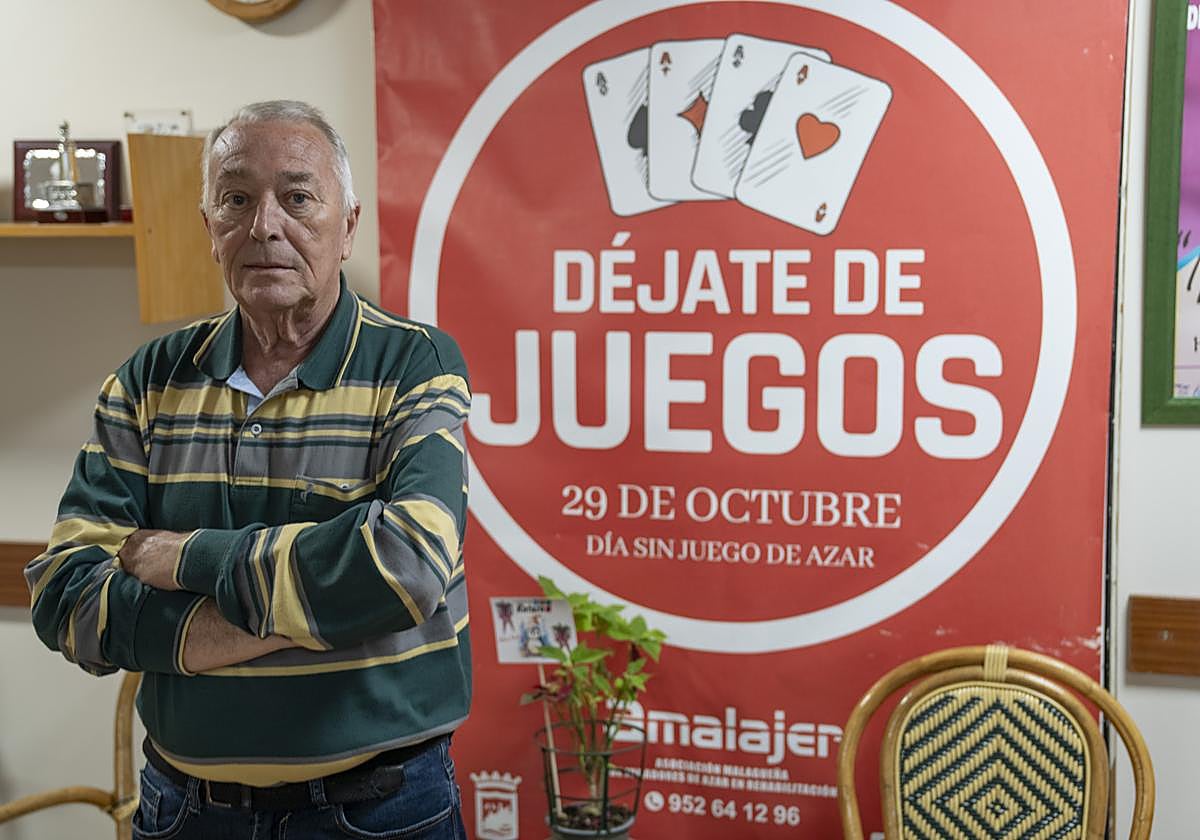
Now 68, the Malaga taxi driver first walked through the doors of the Malaga Association of Gambling Addicts in Rehabilitation (Amalajer) more than 10 years ago under extreme pressure from his family.
"I am a recovering gambler today, but recovery is an everyday battle. Every single morning I wake up, I am still fighting this illness," he says. "A pathological gambler cannot even play a simple game of Parchís [a traditional Spanish board game] - the competitive urge is just too dangerous."
Ultimatum and emotional toll
Manuel arrived at Amalajer on 15 January 2015, driven by a stark ultimatum from his wife: either he sought professional help immediately or their marriage was over.
"My financial situation was spiralling, though I managed to avoid massive debts," Manuel explains. "I never actually called those payday loan companies, but I remember knowing every single one of their telephone numbers by heart."
More than the financial strain, what haunts Manuel most is the person his addiction turned him into. "It erased the decent man I used to be and replaced him with someone practically devoid of feelings or empathy for anyone. That was my reality for a very long time."
Manuel warns that gambling addiction only ever escalates. "When you go to bed thinking about gambling and wake up thinking about gambling, you are in serious trouble."
In the grip of his addiction, he let himself be swept along by a self-destructive tide. "I tried to spend as little time at home as possible to avoid hearing my wife," he admits. There were days he would find her weeping inconsolably. "She would tell me she couldn't take it any more, and I would tell her to jump out of the window," he confesses with deep shame.
‘You swear you will change, you cry, but the moment you close the front door, you go straight back to the machines’
As the years passed, rather than reaching rock bottom and turning things around, Manuel sank further into despair.
"You start leading a double life built entirely on deception, manipulation and lies," he says. "You swear you will change, you cry, but the moment you close the front door, you go straight back to the machines. Then the crash comes, and very dark thoughts start creeping into your mind."
He adds: "I lied constantly to hide my gambling, even when I won. Gambling made me act brave in the worst ways, but I was a coward when it came to admitting I had a disease. What hurts most is the damage I inflicted on my family."
Finding freedom in recovery
When Manuel began treatment at Amalajer, something shifted.
"I actually looked forward to coming here because, for the first time in years, I began to feel free," he says. "When I was gambling, I thought I was in control, but here I realised my freedom had been stolen by a machine with flashing lights and a jingle. I began to reconnect with real emotions and feel stronger."
Today, Manuel takes pride in how far he has come. "It has not been easy, but there is a way out and recovery is real - you can live a complete, fulfilling life without gambling," he reflects. "For years, I lived solely for gambling, or gambling lived through me. Not any more. Now I live for my family."
![[]](http://static.vocstatic.com/voc26/latest/assets/images/favicon/surinenglish/apple-touch-icon-57x57.png)