
Malaga
The New York Times reviews Malaga's transformation during Mayor Francisco de la Torre's 26 years in office
The American newspaper examines the changes the city has undergone and their consequences through the eyes of the mayor, local residents, the cultural sector and the most outspoken activists
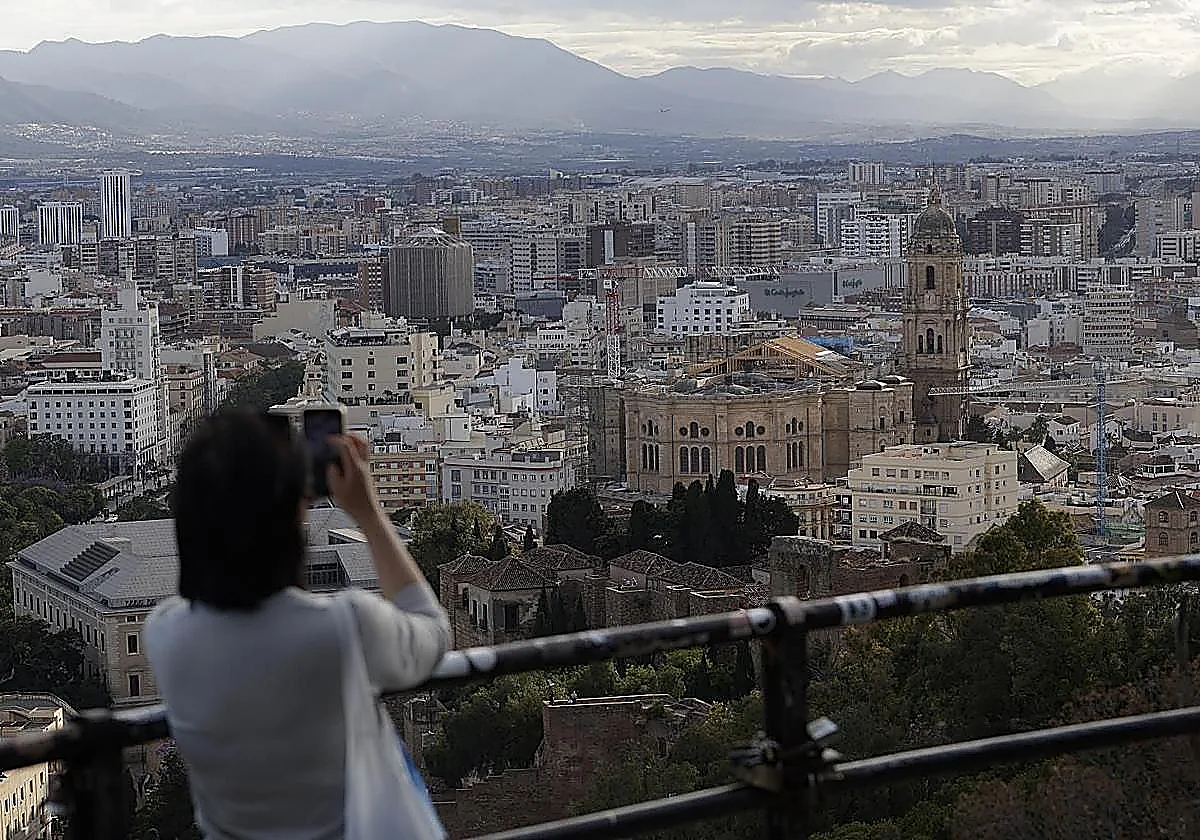

The New York Times published on Monday an in-depth feature on the transformation that Malaga has undergone during the tenure of Mayor Francisco de ... la Torre.
De la Torre first became Mayor of the Costa del Sol capital in 2000. He is standing for his eighth consecutive term in 2027.
The article begins with De la Torre taking journalist Jason Horowitz on a stroll through the Palmeral del Muelle 2, where local residents stop to thank him for the changes he has brought to the city, for attracting foreigners and, in turn, for making them feel at home.
"Many years will have to pass before there is a mayor like this again," resident Mercedes Martín says.
Horowitz, in this kaleidoscope of a piece, does not hide the lingering resentment surrounding Francisco de la Torre's time in office.
"To Mr De la Torre's critics, the question is whether those good intentions - which have transformed Malaga into a thriving magnet for tech and culture - have also paved the road to overtourism, skyrocketing housing costs and the loss of Malaga's soul."
Not surprisingly, this is the question the article's headline poses. "He transformed his Spanish hometown. Did he also spoil it?"
The article highlights how European cities are trying to revive their economies after decades of deindustrialisation, either by boosting tourism or by seeking to become tech hubs and attracting digital nomads.
Malaga, Horowitz writes, is pursuing both strategies. The question is whether this can bear fruit "without destroying the city's character". The journalist concludes that "depending on who you ask, Malaga is either doubling its chances for survival or slef-inflicting a double whammy that is rendering the city unaffordable, unlivable and unrecognisable".
Horowitz refers to official figures from the association of economists or the trade unions, which place Malaga at the top of the list in terms of the number of holiday homes, with an estimated 70 per cent of house purchases made by non-residents, or which indicate that more than 40 per cent of residents in the city and its outskirts earn wages below the national minimum wage.
"I do not consider myself responsible for the problem," De la Torre tells Horowitz. He points out that, although the local economic boom has created challenges in terms of access to housing, he places the real responsibility for what is happening on national dynamics and the central government's reluctance to build more homes.
The American journalist recalls the mayor's controversial remarks in 2024, when he said that having to move out of the city centre because one could not afford housing "wasn't that big a deal".
De la Torre, now more concerned about the issue, with the next election campaign fast approaching, is backing the construction of housing, a tourist tax and a temporary moratorium on holiday tourist flats in the city centre.
The article looks back at De la Torre's political career. The mayor burst onto the scene during the final days of the Franco regime, went on to serve as a centrist MP during the transition period, helped establish the University of Malaga and spearheaded the TechPark.
Horowitz quotes Felipe Romera, the director of the TechPark, who emphasises that Francisco de la Torre's leadership and the stability he has brought to the city have been crucial in enabling it to attract so many multinational companies.
Picasso and the museums
Horowitz does not overlook the fact that, in recent years, the capital of the Costa del Sol has undergone a cultural transformation, with the emergence of a dozen museums.
"Picasso would be surprised," artistic director of Museo Picasso Miguel López-Remiro Forcada says.
Local activist Kike España highlights "the historical incongruity of using Picasso as a symbol of the city's new cosmopolitanism", given that the painter left the city as a child and spent his formative years in Barcelona, Madrid and Paris.
"Being born was the only thing Picasso did in Malaga," España provocatively states in the report.
As Horowitz notes, Kike España helped organise the first housing protest in Malaga, which took place on 29 June 2024. He denounced the negative consequences of the city's transformation.
España makes the report's most critical point. Standing amid tourists dragging their suitcases, he criticises the era of mass tourism in Spain and Europe and fears that Malaga may be "more lost than other cities".
The article notes, somewhat ironically, that De la Torre himself also has to contend with the consequences of the city's transformation: the block of flats where the mayor has lived for the past 50 years now also accommodates tourists.
The New York Times piece concludes with a statement by political scientist Manuel Arias Maldonado: "Either you are a successful city with all the problems that come with it or you fail." Horowitz interprets this to mean that, in the face of criticism, there are those who believe there is no alternative but to follow the path Francisco de la Torre has set out.
![[]](http://static.vocstatic.com/voc26/latest/assets/images/favicon/surinenglish/apple-touch-icon-57x57.png)