
Planning
Malaga sets out rules for granting municipal land to private parties, as in the Nadal project
The urban planning department will seek legal and economic feasibility reports before putting the transfer of a plot of land or a council building out to tender

Málaga
There are numerous occasions on which a lucrative private-sector project sets its sights on a plot of land or a building owned by the ... city council with a view to establishing itself in Malaga. However, recent experience with the granting of municipal spaces to private entities has shown that the terms under which they are transferred, the risks involved for those taking them on, and the financial viability of the proposed projects are not always clear.
In order to ensure the smooth running of this type of private development on land and properties owned by the council, the municipal urban planning department has recently approved two sets of guidelines setting out new requirements to be taken into account when processing private-sector projects intended to be carried out on municipal land awarded through a tender process.
Related story

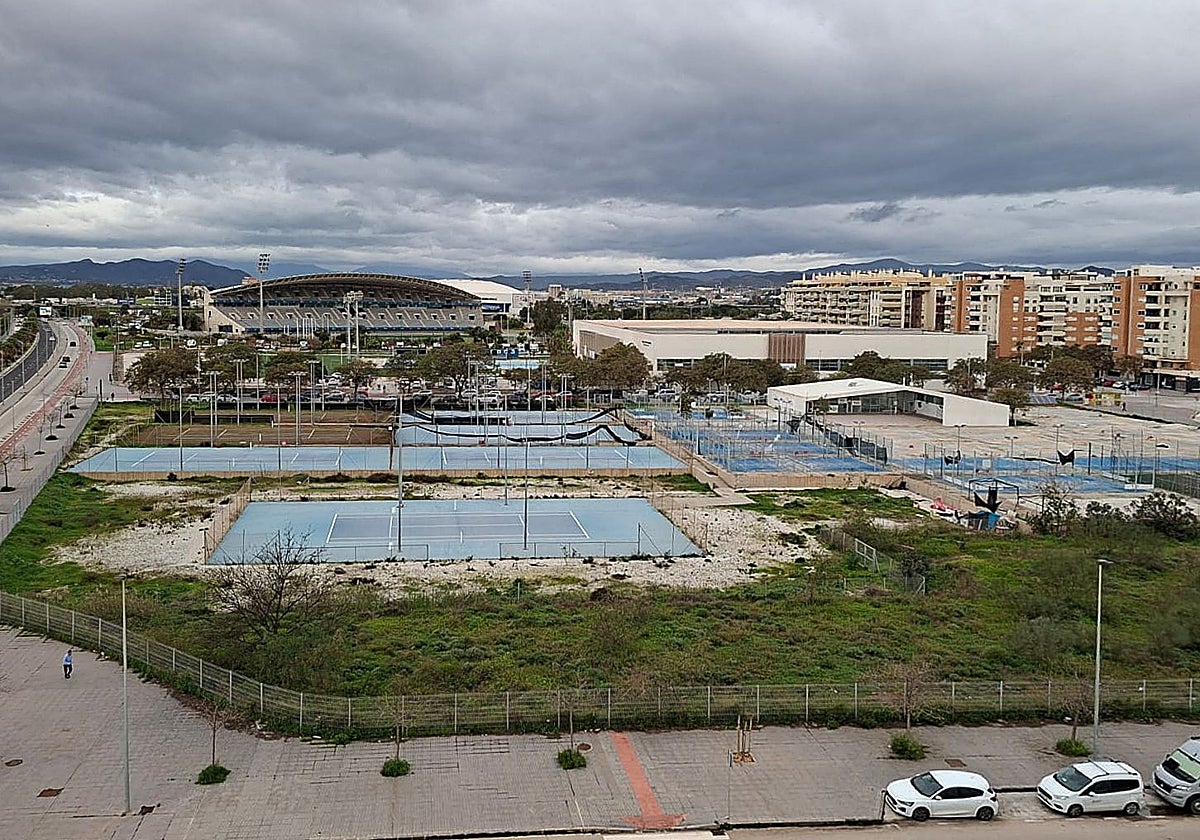
These new rules for managing this type of initiative pave the way for major investment projects that the city council has had on the table for years but which have yet to come to fruition. This is the case with the tennis club bearing Rafa Nadal’s brand, which the Marbella-based developer Sierra Blanca plans to build on the site of the former Centro de Raqueta; the vocational training centre, business school and MIR programme that Alfonso X El Sabio university has planned for the former Cruz del Humilladero prison; the concert hall mooted by the managers of the Movistar Arena; the performing arts and training centre of the AISGE foundation in the Fiat Lux building, next to Avenida de la Rosaleda; and the renewal of the concession for the current Inacua swimming pool complex, next to the Martín Carpena stadium.
These and other proposals from private organisations for municipal public spaces have yet to be implemented; however, following the new guidelines issued in recent weeks by the head of urban planning, José María Morente, they could be implemented in the coming months, as the rules governing their processing are now clear.
Standardised internal procedure
One of these guidelines is dated 14 July, and it sets out how the urban planning department should proceed when a private individual approaches the department to apply, via a competitive tender process, for the allocation of a municipal site on which to carry out their project. "The experience gained in processing initiatives put forward by private individuals highlights the need to establish a standardised internal procedure that allows for the legal, technical, urban-planning and economic viability of proposals to be assessed at an early stage, thereby avoiding the processing of unviable applications and optimising administrative resources," states the introduction to this guideline.
One of the provisions that has been in force since its adoption is that there must be better coordination and internal communication within the urban planning department so that the heritage department is informed as soon as possible when an investor has set their sights on a municipal property with a view to carrying out a specific project. Consequently, any administrative action relating to a public utility plot - such as an application by a private party for its concession - must be notified to that department within a maximum of ten working days.
Furthermore, once an application for a municipal plot has been submitted, the heritage department will open a preliminary assessment file to "determine whether it is appropriate to proceed with the application". The guidelines clarify that this phase “does not confer any rights on the applicant nor does it mark the start of the procedure for awarding the municipal concession”.
The council will publicise the conditions for the transfer of its plots of land in order to gather suggestions from interested parties before they are approved
For this preliminary feasibility assessment, the heritage department will request four reports. One of these will be a technical report on land availability, to be issued within a maximum of 15 days by the heritage department itself. It will cover aspects such as any encumbrances on the land; its legal availability; the existence of concessions, authorisations, occupations or third-party rights; administrative procedures that may affect it; and heritage-related restrictions.
For its part, the urban planning department will draw up, within ten days, a planning compatibility report which will analyse the land’s planning classification and designation, the regulations applicable to it. It will also analyse the compatibility of the proposed use, the planning instruments that may affect it, whether it is subject to any heritage or environmental protection measures, whether any prior planning procedures need to be carried out for the project and the conditions under which it may be developed.
A third report must be issued by the valuation department, also within a maximum of ten days, to assess the minimum fee that could be charged to the private party for the transfer of the land, the maximum term of such a concession, the estimated investment and the financial viability of the proposed initiative. The fourth report, also to be submitted within ten days, is to be provided by the legal advisory service, which must give its opinion on the legal framework relating to the proposal.
Following these four decisions, the heritage department will draw up a summary report within a further ten days and submit it to the urban planning department so that, within five days, they may decide on the suitability of the proposal. In this way, they will be able to approve the progress of the application and the drafting of the conditions for the transfer of the land. If the feasibility report concludes that the project should not go ahead, they will agree to shelve the application, "without prejudice to the possibility of new initiatives being submitted for the same area".
If the urban planning department supports the proposal (once the specification document setting out the requirements for the transfer of the land has been drawn up, and before the case file for its award by competitive tender is approved), the specifications shall, in cases where legally required or where deemed necessary, be published on the council’s website for a minimum period of 20 working days. During this period, interested parties involved in the process may submit comments, which will be reviewed by the council for possible incorporation into the tender conditions.
![[]](http://static.vocstatic.com/voc26/latest/assets/images/favicon/surinenglish/apple-touch-icon-57x57.png)