
Traffic
Malaga Low Emission Zone reduces traffic by 25,000 cars per day
The entry of vehicles with an Eco sticker has skyrocketed, while that of vehicles without an environmental sticker has plummeted, with one in three vehicles coming from the wider Malaga area
Chus Heredia
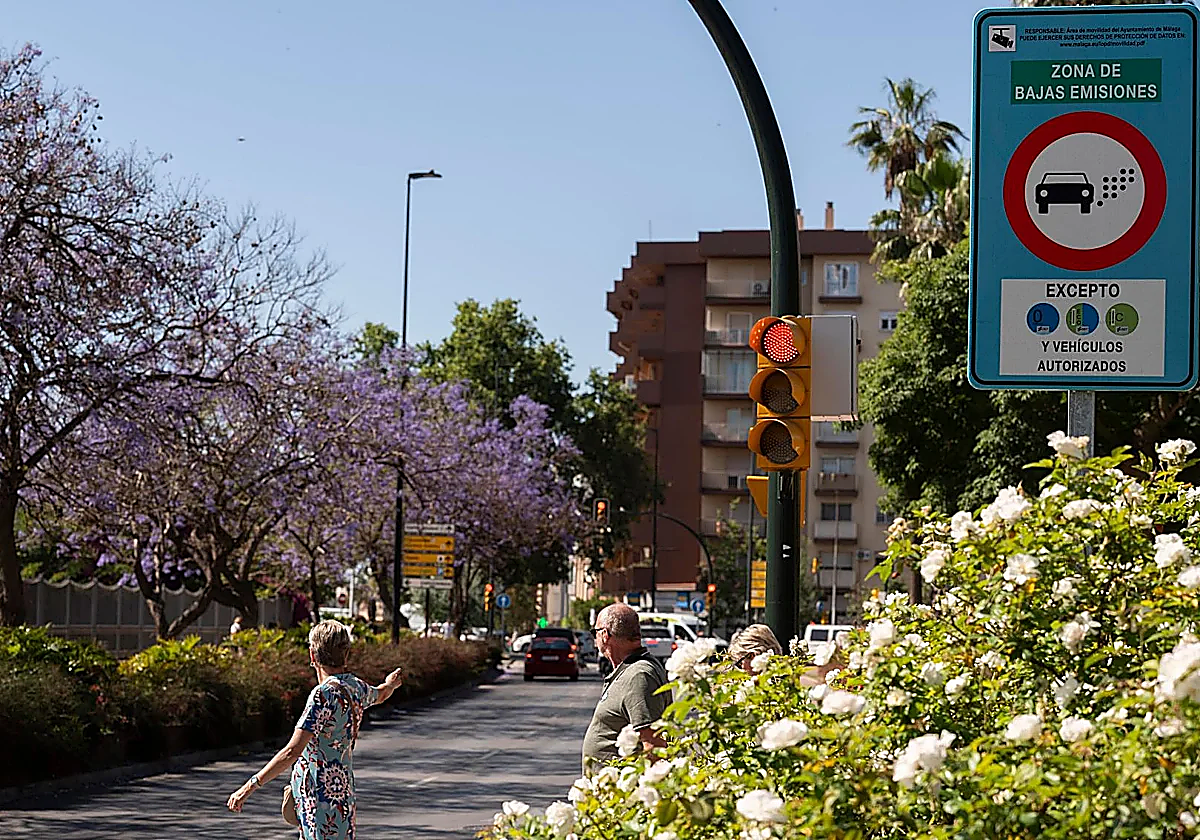
The Low Emission Zone (ZBE) in Malaga has reduced traffic within the delimited central perimeter, covering just over 400 hectares, by an average of 25,000 vehicles.
The regulation came into effect in November 2024. Fines began a year later for vehicles without an environmental sticker that pay their road tax outside the city. This November, the ban will extend to vehicles with a B sticker registered outside the city.
Those registered in Malaga city can safely use their cars and motorcycles until the end of their useful life. In the first two months of enforcement, the cameras captured 12,000 unauthorised entries. The fine is 200 euros (100 for prompt payment).
Related story
A recent report from the transport department, based on the monitoring of 67 access points to the ZBE, indicates that the number of vehicles accessing the area daily on weekdays was around 200,000 in 2023. Currently (first quarter of 2026), weekday access has decreased between 10% and 20%, to around 175,000 vehicles per day.
Regarding the direct cause of this decrease, the report states that the reduction is "either due to the deterrent effect of the implementation of the ZBE or due to the decrease in motorised urban traffic caused by the implementation of other good sustainable transport policies".
In the 2023 baseline scenario, authorities counted 206,500 weekday journeys into the zone, including 155,924 internal trips and 50,577 from outside the city. During the period analysed, weekday access figures stood at 174,923 in December 2025, 167,258 in January 2026, 164,914 in February and 179,657 in March.
Around one third of all journeys in the ZBE come from vehicles entering from outside Malaga city and the wider metropolitan area. The rest consists of internal city traffic.
Cars dominate vehicle types entering the zone, accounting for 85% of demand. Vans and lorries weighing up to 3.5 tonnes represented 5.8% in March 2026, motorbikes and mopeds 6.1%, and buses 2.5%.
The ZBE system works by reading number plates and cross-checking them with the Spanish traffic authority (DGT) database to verify a vehicle's environmental classification, regardless of the reason for the journey.
The report also highlights significant changes in the make-up of vehicles entering the zone compared with 2023. On an average day, the proportion of vehicles without an environmental label (the most polluting category) fell from 24.7% in 2023 to 5.2% in March 2026.
The report notes that the decline proves even more pronounced among vehicles from outside Malaga city that face fines under the new rules, where unlabeled vehicles now account for less than 2% of journeys.
The proportion of B-label vehicles fell from 31.2% in 2023 to 20% in March 2026. C-label vehicles, still the most common category, rose from 40.4% to 50.4%. Eco vehicles recorded the sharpest increase, climbing from 3% to 19.6%. Zero emissions vehicles also increased, though more modestly, from 0.7% of total journeys in 2023 to 4.7% in March 2026.
Councillor for transport Trinidad Hernández welcomed the results and highlighted the sharp reduction in overall motor traffic.
"As expected when we designed the ZBE, one of the main effects has been the shift towards a more sustainable vehicle fleet rather than a drastic reduction in traffic," she said. "Vehicles without an environmental badge have fallen significantly, while Eco vehicles recorded the largest increase."
She added that the transport department would continue improving the system by strengthening communication, optimising signage, improving transport alternatives and moving towards "a healthier, more efficient and more sustainable city model".
"These results become even more significant when viewed in the context of sustained population growth in Malaga and its metropolitan area between 2020 and 2026, which confirms the positive assessment of the measures adopted," Hernández said.
The ZBE scheme still faces a legal challenge. Opponents argue that Malaga city council's file contains errors, inaccuracies and procedural flaws and they remain confident that the administrative court will annul the bylaw. Municipal legal services have acknowledged the possibility of a court setback, although they insist any issues could be corrected quickly.
The ZBE stretches along the seafront from Paseo Marítimo Antonio Machado. In the western district, it includes Avenida Ingeniero José María Garnica, Calle Explanada de la Estación and Plaza de la Solidaridad. In the north, the perimeter follows Avenida de las Américas, Aurora, Jardines de Picasso and Avenida de Andalucía. Other major roads marking the perimeter include Paseo de Martiricos, Alameda de Capuchinos, Olletas and Paseo Marítimo Pablo Ruiz Picasso.
![[]](http://static.vocstatic.com/voc26/latest/assets/images/favicon/surinenglish/apple-touch-icon-57x57.png)