
Health
Malaga death of girl from meningitis under potential investigation for 'professional negligence'
The patient advocate association supports the parents' account and has requested public prosecution to open an investigation
José Antonio Sau and Eugenio Cabezas
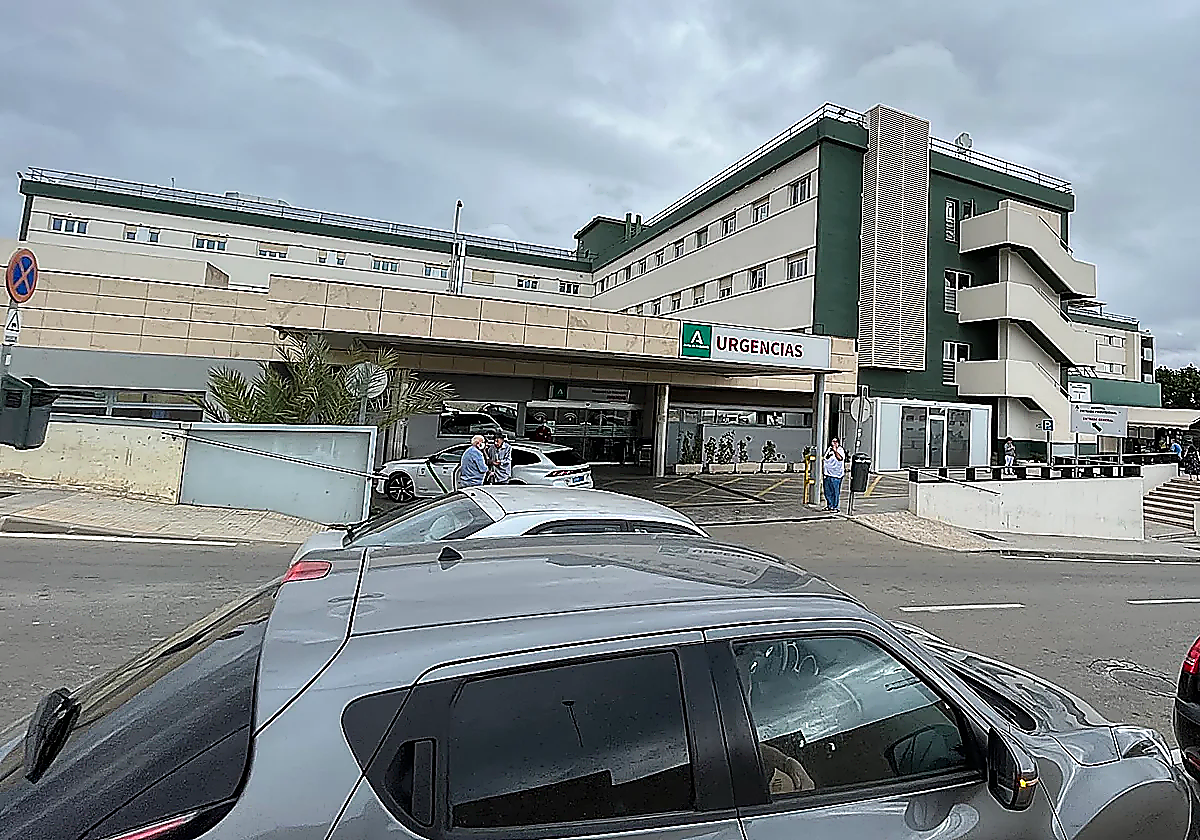
The patient advocate association has sent a letter to the Malaga provincial prosecution to request a pre-trial investigation into the death of the five-year-old girl from Vélez-Málaga who died from meningitis at the Materno Infantil hospital in Malaga city on 20 April. The girl had initially received treatment at the Axarquía district hospital, which ordered her transfer to Malaga.
Public prosecution has not yet issued a statement regarding potential liability. The patient advocate association alleges "professional negligence".
President of the association Carmen Flores has requested "an investigation to determine responsibility for the death of the five-year-old girl". According to her, the girl didn't receive treatment from a paediatric specialist and the doctors didn't take "the necessary measures to ensure an accurate diagnosis".
The parents' testimony
Flores believes that "the parents' account accurately reflects what happened; in other words, a life was lost due to a lack of the necessary care". They criticise the fact that a paediatrician did not check their daughter and that she was discharged without tests, despite having alarming symptoms.
In addition to requesting an investigation, they demand that the Andalusian health service (Sas) and the hospitals involved provide information about what happened.
The patients' association statement includes an account of the events. It states that on 19 April this year, the girl "had a joyful and pleasant day, playing like any other day". She only began "to feel unwell" in the evening. She was "complaining of pain on one side of her chest".
Her parents took her to the Axarquía hospital at around 3am. She went through triage and was seen by a doctor. She was discharged and given medication shortly after 6am.
At home, the mother noticed that "her daughter was not well or improving". "On the contrary, she was getting worse and her body was covered in a rash," the letter states. They returned to the Axarquía hospital at around 12.30pm.
While they were waiting, the girl developed "bluish and violet spots", for which she was sent to the critical care unit. The doctors told the parents that "she was very ill and would be transferred by ambulance" to the Materno hospital.
She arrived in Malaga at 4.18pm "with suspected sepsis". "There was little they could do for her. She died just two hours after her arrival, at 6.37pm," the patients' association says.
The regional government's response
SUR contacted the Andalusian regional ministry of health to obtain their version of events. The regional ministry said that the Axarquía hospital had provided "adequate care to the minor, taking into account her symptoms", and had transferred her "to the Materno Infantil hospital when these symptoms worsened and there was suspicion of meningitis".
Last week, the Andalusian regional government said that it had carried out "the necessary preventative measures in the child's environment to prevent possible infections". This included contacting the family and the school.
The protocol for these types of cases is clear: the school and the child's close circle are notified of the possible cause of death in order to confirm that exposed close contacts are protected.
Meningitis presents with fever, severe headache and a deterioration in general health, as well as neck stiffness, vomiting, drowsiness or confusion and sensitivity to light. To confirm the diagnosis, a lumbar puncture is performed and cerebrospinal fluid is extracted for analysis. In the laboratory, the sample is cultured. After around 24 hours, sometimes sooner, the analysis indicates whether the cause is viral or bacterial.
Bacterial meningitis usually requires contact tracing, involving chemoprophylaxis with antibiotics for close family members, schoolmates or teaching staff, as appropriate. Epidemiologists also analyse vaccination status and the level of protection within the community in order to limit potential chains of transmission.
![[]](http://static.vocstatic.com/voc26/latest/assets/images/favicon/surinenglish/apple-touch-icon-57x57.png)