
Construction
Malaga Port major dock 8 project to see archaeologists working round the clock due to potential shipwreck and Roman remains
Specialist reports highlight historical milestones and previous findings and prompt launch of protocol to prevent plundering and destruction, ordering immediate suspension of such activities where necessary
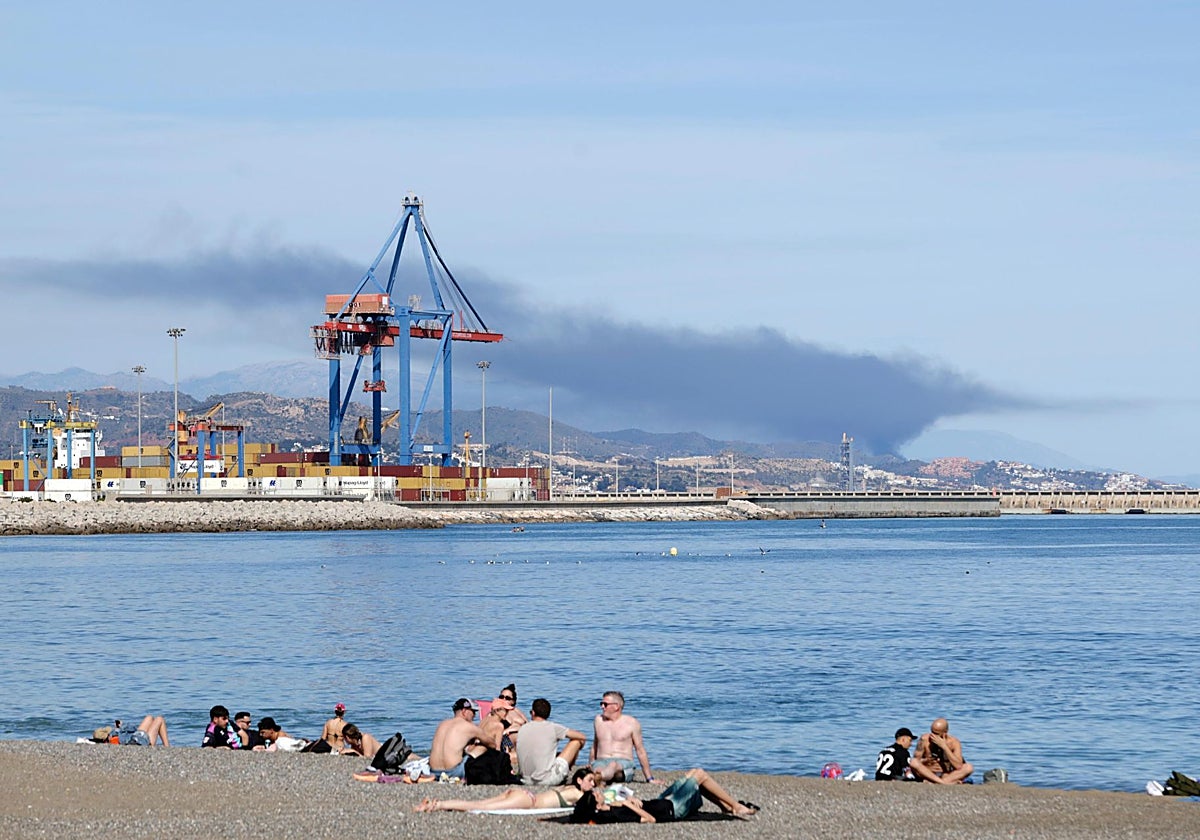

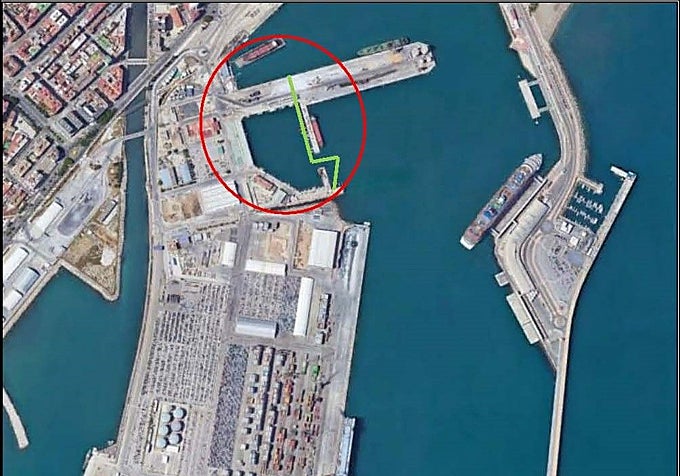
Malaga is gearing up for the construction of the port's dock 8 (263 metres) and the extension of dock 9 (87 metres). The project, ... currently in the tendering phases, costs 48.4 million euros and the completion period is 27 months.
The work includes filling in the former fishing harbour and dredging to a depth of 15.60 metres, which will create a new logistics area of over 70,000 square metres.
This expansion will enable the port to handle two large container ships or Panamax vessels simultaneously on intercontinental routes and boost traffic of agri-food bulk cargo. Furthermore, the relocation of the warehouses to modern silos at dock 8 will free up the San Andrés dock for the construction of the future Huelin auditorium and marina.
Related story
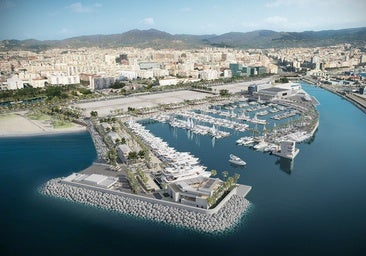
A contract is in place for the archaeological monitoring of this major construction project. In fact, the Port Authority has put out to tender, for 116,559 euros, the supervision of dredging operations totalling over 580,000 cubic metres in an easement area where around 50 Roman amphorae and a Roman anchor fluke have been discovered. In short, the works will be subject to strict heritage monitoring, with the aim of identifying and protecting any historical remains that may come to light and preventing looting.
The bay of Malaga
The area of operation, which covers 18 hectares, forms part of the so-called 'Ensenada de Málaga', an area of archaeological interest, as it is a historic roadstead and outer harbour with numerous documented records of anchorages, navigational incidents and shipwrecks dating from antiquity to the 20th century.
According to the technical specifications drawn up on the basis of previous reports by the specialist firm Nerea Arqueología and the CAS (centre for underwater archaeology), the seabed clearance work holds great potential for discoveries, among them shipwrecks.
Research confirms an extensive catalogue of modern and contemporary shipwrecks, both within the harbour area and off the coast of the city, as well as possible ancient vessels. The teams will be searching for timber, structural elements of ships and anomalous concentrations of materials.
The seabed in this area has already yielded significant evidence of ancient seafaring during previous excavations, such as the discovery of a Roman anchor during the 1874 dredging operation or the recovery of some 50 Roman amphorae during the extension works on the Levante breakwater between 1997 and 1998.
Magnetometers
Using high-sensitivity magnetometers, the technicians will search for ferromagnetic anomalies consistent with historical anchors, artillery pieces or ship's fittings.
The preliminary demolition work and trench dredging required to lay the foundations for the new dock are likely to uncover remains of the original alignment of the old Poniente breakwater, the northern and southern breakwaters of the fishing harbour and the piles of the Duques de Alba jetties at the former oil tanker berth.
In total, 580,100.25 cubic metres of sediment will be dredged (391,092.25 cubic metres beneath the new quays and 189,008 cubic metres to deepen the harbour basin to a depth of -15.60 metres), reaching depths of up to -21 and -24 metres in the foundation trenches.
The most sensitive stratigraphic unit is level I, consisting of soft, greyish organic silt, which will be removed in its entirety until the dense gravel and sand of level II are reached.
Before the dredgers arrive, the successful tenderer must carry out a comprehensive geophysical survey (using side-scan sonar, a sediment profiler, a magnetometer and a multibeam echo sounder) and verify any anomalies using archaeologist-divers or remotely operated vehicles (ROVs).
Strict protocol
Subsequently, during the approximately 60 days that the dredging will last, a team of at least five archaeologists will work in shifts 24 hours a day on board the dredgers. If they detect any sign of a shipwreck or historic structure in the suction grids or on the mechanical buckets, the protocol requires work stop immediately within a 50-metre protection zone and the discovery to be reported to the cultural authority within a maximum of 24 hours.
Furthermore, the construction schedule must take account of biological rest periods to protect seabirds such as the Balearic shearwater and the breeding seasons of species such as the fine-shelled clam, the chirla and the coquina.
