
Charity initiative
Malaga NGO urges against treating 'seeing people sleeping on the streets' as normal
The president of Asaec, Antonio Paneque, explains the association's work to prevent homelessness from becoming chronic
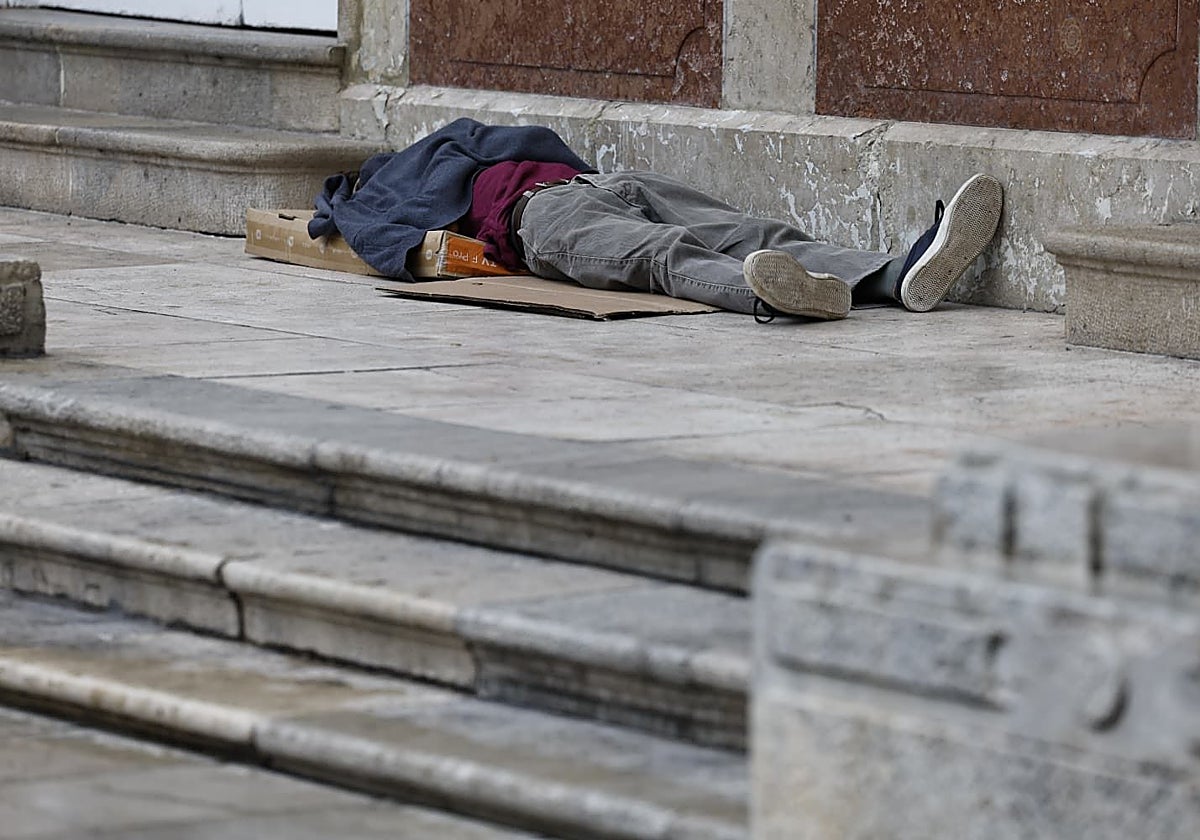

When Antonio Paneque discusses the need to help people living on the streets, he cannot help but highlight the lack of resources. The numbers are ... growing and the voluntary sector is overwhelmed by the demand for assistance.
"We NGOs cannot turn ourselves into large hostels and hotels. Our role is to fill the gaps where the public sector falls short, acting as a complementary service. But what the authorities must do is recognise the problem, not politicise people's poverty," he states.
Related story
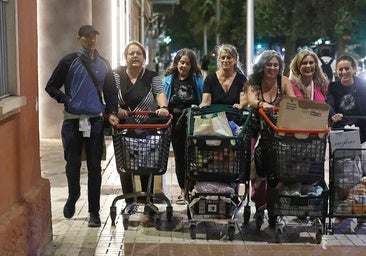
Paneque has been working for decades on behalf of vulnerable people as president of Asaec (Asociación Solidaridad Asistencial en Compañía). One of their many projects is 'Tránsito a la inclusión' ('Transition towards inclusion'), through which they have managed to achieve the momentum that the public sector fails to provide.
Theirs is one of the projects selected in the Fundación 'la Caixa' call for social projects, which supports such initiatives through grants.
Asaec has set out a comprehensive support programme aimed at homeless people "in transit", focusing on facilitating access to temporary accommodation, meeting basic needs such as food, hygiene and clothing and offering personalised social support.
"We have an integration worker and another social worker who are involved in providing comprehensive social support to help people climb out of the hole they find themselves in. We offer them social and employment integration and, in addition to all this support, we have several places reserved in a shelter as temporary accommodation. The aim is to help the individual by offering them various alternatives to get them off the streets," Antonio Paneque says.
People under 50 years of age
Asaec has launched this project in response to a recurring need in the Malaga districts of Bailén-Miraflores and Cruz de Humilladero, where there are homeless people whose situation has not yet become chronic and who, through swift and appropriate intervention, can regain their independence and get off the streets.
The initiative, now in its second year, also benefits from the support of Asaec's volunteer network and assists more than 60 people, although the project was originally designed for around 50.
"The number of people we see on the streets has tripled. I would go so far as to say that almost 50 per cent of those are under 50 years of age. They all lack access to mental health support because they suffer from temporary or chronic illnesses. If they also turn to drug use, they completely lose control of their lives," Paneque states, urging the Andalusian regional government to do more.
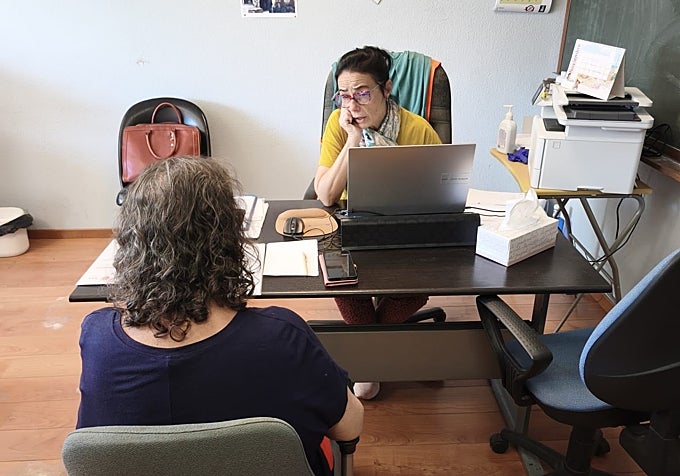
Based on the analysis during the project and the work of Asaec, which has over 30 years' experience supporting people in vulnerable situations, the importance of having a "support figure" emerges.
"It is important to have a circle of trusted people, whether family or friends, because it makes it easier to break out of loneliness. We had a case of a 22-year-old man who was having problems at home and had left. He spent months sleeping on the steps of a house and nobody helped him. In such cases, the authorities have to step in, but they only provide partial support. Support from the public health service cannot simply mean seeing a psychiatrist every three months. That is not the solution. The fact that there are so many people on the streets is a symptom of something, isn't it? It is a dangerous situation because it means that society is bleeding where it hurts the most," Paneque says.
For him, "the worst thing is normalisation". "We cannot walk down the street and treat it as normal to see people sleeping with a box of white wine beside them. The worst thing is that this could now happen to anyone… We've met people who have never found themselves in these circumstances and who don't come from broken homes," Paneque says.
The coming months are the hardest for people living on the streets. "I don't know what it is, but at Christmas the number of people seeking help skyrockets and that's precisely when we have the fewest resources. I repeat, we need help," the president of Asaec pleads.
