
Economy
Malaga city's wealth gap rapidly widens, with the wealthiest area now three times as wealthy as the poorest
The city's wealthiest areas are less reliant on wages than the poorer ones, as they supplement their income with economic activities and returns on savings
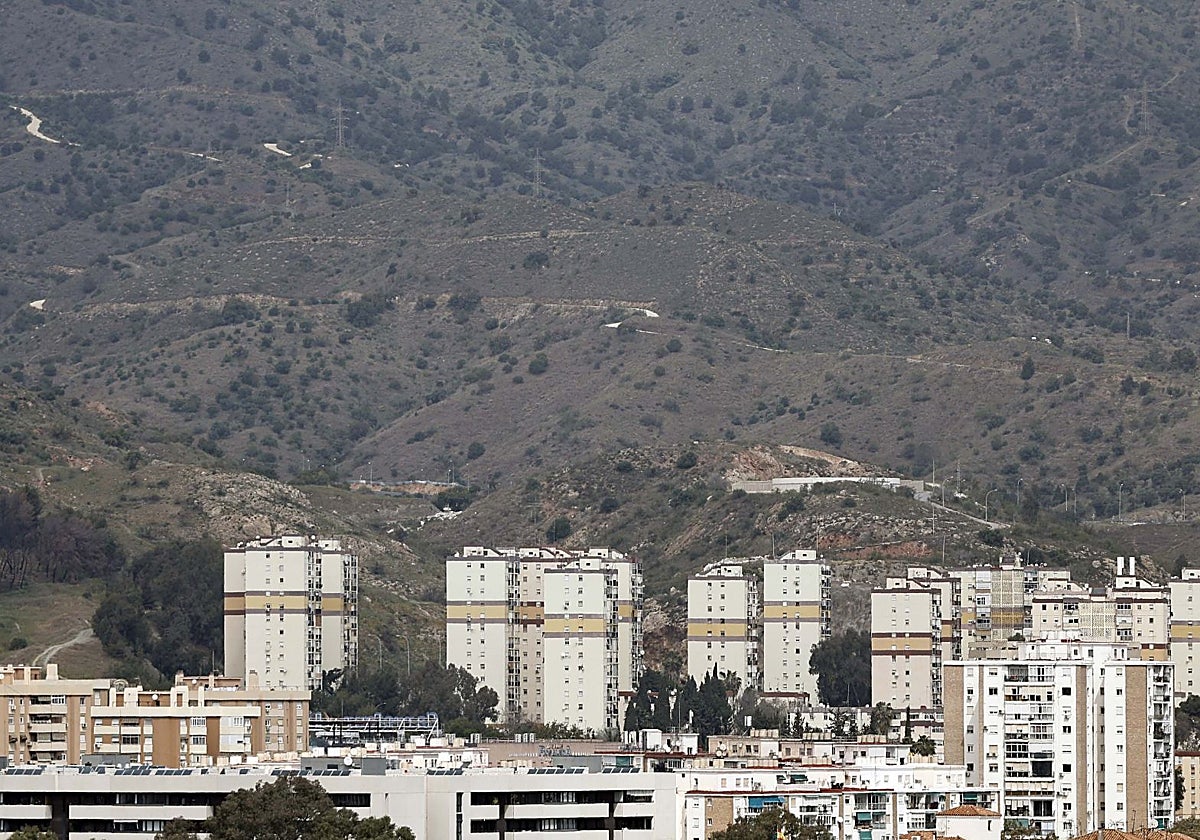

Malagueta-Monte Sancha is the area in Malaga with the highest average gross income: it amounts to 64,338 euros per taxpayer, according to statistics ... on personal income tax filers the tax agency published a few days ago, based on data from the 2024 tax year.
At the other end is Martiricos-La Roca-Palma-Palmilla, where declared gross income amounts to barely 21,780 euros. In short, in the wealthiest area, the average declared income is three times that in the poorest. However, the data allows us to draw not only this single conclusion, but also that this gap, far from narrowing, has been widening over the years.
A decade ago, the Malagueta area was also home to the city's wealthiest residents, with an average gross income of just over 42,000 euros. At that time, in 2014, it was not Palma-Palmilla that had the lowest incomes in the city, but Campanillas-Puerto de la Torre, with an average income of 17,627 euros.
Related story
A comparison of the figures for the two periods reveals that, while ten years ago the gap stood at 138% (meaning that the income of the wealthiest was almost 2.4 times that of the poorest), it has now risen to 200%, which means that the wealthiest area's income is three times that of the poorest.
The area in Malaga with the highest income is also the one where the average gross income has grown the most: by no less than 53%. By contrast, Martiricos-La Roca-Palma-Palmilla, which ten years ago was the fourth lowest-income district and is now the one with the lowest income, has recorded the smallest increase, with under 19%.
The three districts which, in 2014, had an average income below that of Palma-Palmilla have seen improvements of 30-40% in their average gross income over the last ten years. However, they are still a long way from the growth in the city's wealthiest areas, as those that have seen the greatest increase in income are the very same ones that already had the highest levels of income to begin with.
Diverse development
Following the Malagueta area, comes Cerrado de Calderón-Hacienda Paredes, where the average gross rent exceeded 48,200 euros in 2024, having risen by 44.6%. Meanwhile, Ensanche-Centro-Soho, with around 44,000 euros last year, saw its rental income rise by 38% between 2014 and 2024. In Pedregalejo-Morlaco-Acacias-El Palo, the increase was over 35%, bringing the figure close to 42,000 euros.
Among the most disadvantaged areas, Martiricos-La Roca-Palma Palmilla saw a 19% increase over the decade, reaching 21,780 euros. Next come Carranque and Olletas-Sierra Blanca-El Ejido, with increases of 25%, reaching 30,990 and 29,533 euros respectively.
Also recording increases of less than 30% were Perchel Norte-La Trinidad and Cruz del Humilladero, with average gross incomes of 27,035 and 25,791 euros respectively in 2024. La Goleta-San Felipe-Neri-Centro Histórico fared somewhat better: although still far from the figures for the highest-income areas, its income rose by 44% over ten years, reaching 35,441 euros.
Source of income
Data from the Ministry of Finance also provides an insight into the sources of income for residents in each district. What these figures reveal is that Malagueta-Monte Sancha is the one where income from employment accounts for the smallest proportion: it represents less than 54% of the total.
The areas where wages account for the largest share are Barceló-El Torcal-Girón-Vistafranca and Martiricos-La Roca-Palma-Palmilla, at 83%. Campanillas, Ciudad Jardín and Cruz del Humilladero also see more than 80% of their income coming from wages.
Conversely, the area where capital income accounts for the largest share of total income, at around 20%, is Malagueta-Monte Sancha, followed by Ensanche-Centro-Soho (14%) and Cerrado de Calderón-Hacienda de Paredes (13.88%). Meanwhile, Palma-Palmilla is the area where dividends and investments have the least weight, at just 2.76% of total gross income.
As for income from economic activities, the area where this contributes most to total income is Ensanche-Centro-Soho (18.5%), followed by La Malagueta (16.26%). At the other end, once again, is Palma-Palmilla and its surrounding areas, where the figure is less than 4%.
However, it is in this last area that tax-exempt income carries the most weight, accounting for around 8% of the total. This is because it includes benefits such as the minimum living income, which have a higher number of recipients in deprived areas.
By contrast, in Malagueta-Monte Sancha or Cerrado de Calderón, these sources of tax-exempt income are negligible, accounting for barely 3-3.5% of the total income in those neighbourhoods.
Housing price increases are outpacing income growth and the gap is even wider in low-income districts
Average gross income has grown between 20% and 50% in all districts of Malaga over the last ten years, according to data from the tax agency. Housing prices have also increased, although at a much faster rate. This is because the increase in residents' incomes has not kept pace with the price per square metre.
The district where housing prices have risen the most since 2014 is Carretera de Cádiz, with a 125% increase. In contrast, in the Barceló-El Torcal-Girón-Vistafranca area, the increase in gross income has been barely 30%. Meanwhile, in the Malaga-Teatinos area, the increase in housing prices is close to 120%, compared to a 37% rise in the average income of its residents.
Other areas of the city where the price per square metre has also doubled include the city center, Cruz del Humilladero, Bailén-Miraflores and Málaga Este. This contrasts sharply with rent increases that in no case reach even half of this increase.
However, while housing in Malagueta has risen twice as much as income, in Palma-Palmilla the increase in the price per square metre is five times the growth recorded by the gross income of its residents.
