
Malaga
Arrows used as a last resort to control wild boars in Málaga: 83 culled over the last two years
Thermal cameras, feeding stations outside the city and patrols are among the strategies implemented by the city council and SCAES
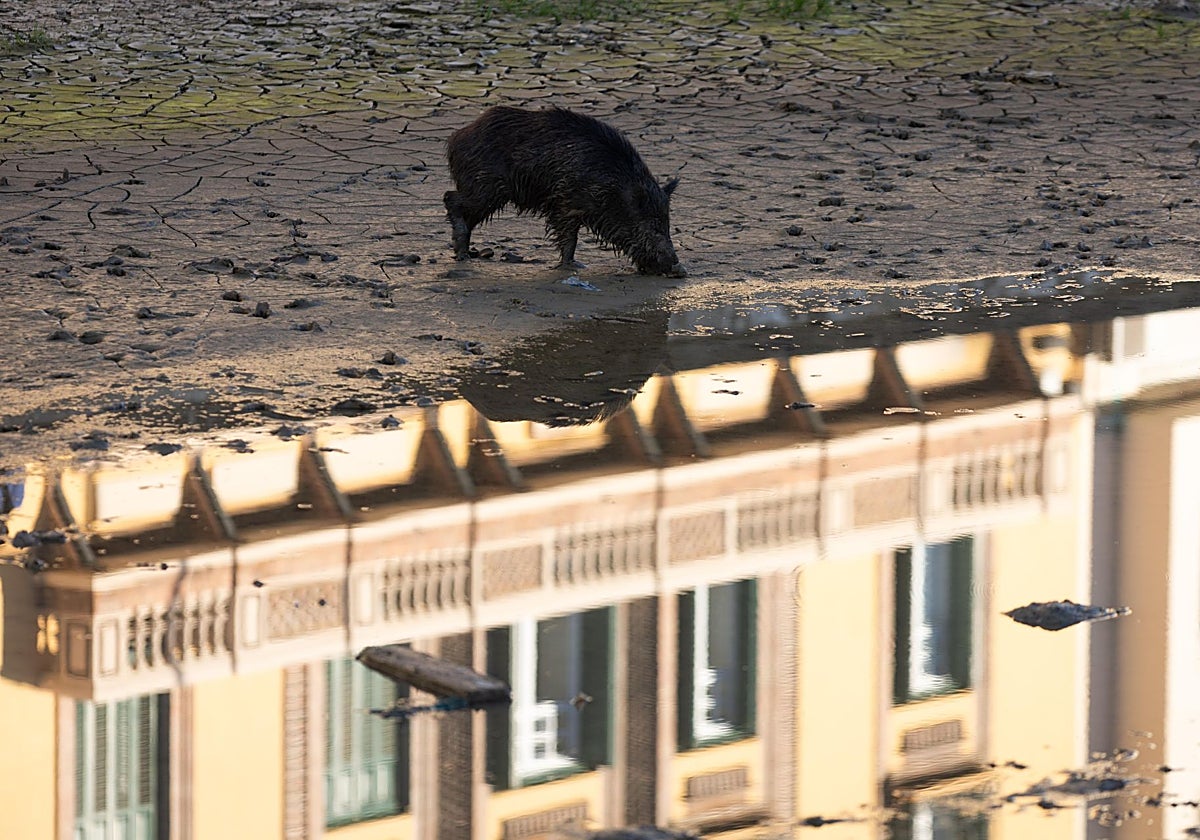

The problem with wild boars in the province shows no sign of abating and is causing headaches for local residents, motorists and the authorities.
Road ... safety, damage to gardens and public property, and the potential for disease transmission are major causes for concern.
In the last two years, 83 wild boars have been culled. This is a last resort when certain protocols and strategies have failed. The issue divides opinion, ranging from those who demand a firm hand to those who take a more animal-welfare-oriented stance.
In between lie all the nuances found in organisations such as the Veterinary Association and local councils such as Malaga´s.
In this case, through its Environmental Sustainability Department, Malaga city council collaborates with the SCAES Group (Wildlife Archers’ Service), accredited by the Andalusian Hunting Federation (FAC), to carry out prevention, monitoring and population control of wild boar and feral pigs in forested areas and those bordering the municipality (such as Ciudad Jardín, Este and Churriana).
The City Council has recently published a video on social media setting out the measures being taken to try to curb the spread of wild boars, essentially feral pigs, in urban areas. In the video, Daniel González, a specialist from SCAES Andalucía, outlines the main actions undertaken and offers advice.
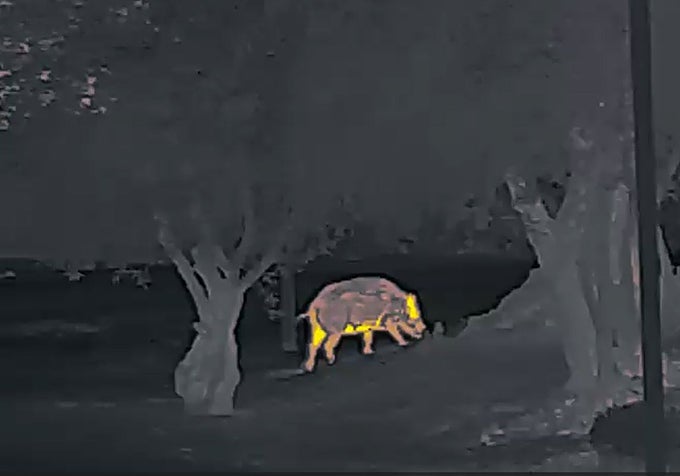
In light of the increase in sightings recorded over the past year, the action protocol designed to control and deter the presence of wild boar in the urban areas of the city of Malaga has been set out in detail. The plan consists of several progressive stages that prioritise prevention and deterrence before resorting to capture.
The control services warn that wild boars are dangerous animals and potential carriers of various diseases
The procedure begins with a preventative measure involving the placement of food outside the town centre to prevent the animals from travelling into the town in search of food.
Secondly, long-range thermal cameras are used to observe and monitor the behaviour of the animals in the vicinity of the city.
Should the animals manage to enter the city centre, control teams track their movements and identify their usual feeding spots where they can attempt to scare them away, with the aim of preventing them from returning.
Only when all the above measures prove insufficient is the killing of the animals carried out as a last resort.
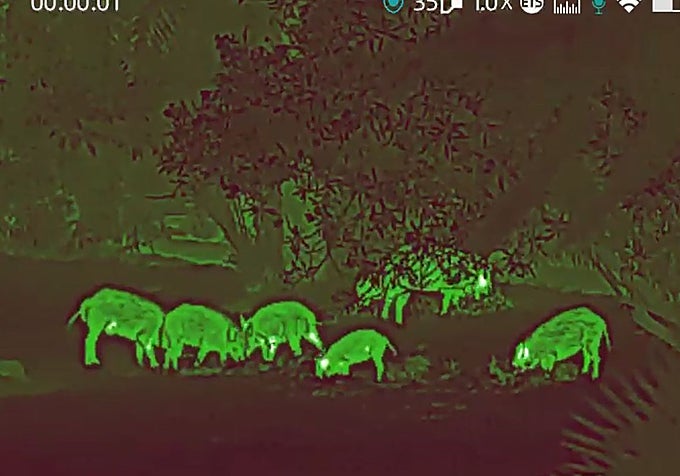
The control services warn that wild boars are dangerous animals and potential carriers of various diseases. They are therefore making a direct appeal to the public to act responsibly, reminding people of the vital importance of not leaving bin bags outside bins, so as to avoid attracting them onto the streets.
Indeed, with regard to diseases, a study carried out by the College of Veterinarians and the University of Málaga (UMA), which was previously reported by Diario SUR, reveals that four out of every five wild boars living in urban areas of the province are carriers of infectious pathogens.
The research focused on samples taken in towns such as Malaga city, Marbella, Fuengirola and Benahavís.
Veterinary tests
Veterinary analyses have shown that over 80 per cent of the specimens studied suffer from co-infections, that is, they harbour two or more infectious agents simultaneously.
Among the conditions capable of being transmitted to humans and to other animals, the most notable is Hepatitus E.
Veterinary analyses have shown that more than 80 per cent of the animals studied have co-infections, where they harbour two or more infectious agents simultaneously
The experts also found a high prevalence of parasites. Similarly, media reports warn of the danger of contracting trichinosis from eating game meat that has not undergone health checks, as well as the risk of spreading serious diseases affecting livestock and wildlife, such as tuberculosis or African swine fever.
A few key points
The Malaga Association of Veterinarians set out eight key measures to tackle overpopulation. The first involved stepping up hunting.
The second focused on adapting street furniture and the surrounding environment to make it more difficult for them to obtain food and water, which includes the use of tip-proof litter bins, replacing swing-top litter bins and modifying the vegetation on outlying roundabouts by replacing grass with shrubs to reduce water sources.
Thirdly, efforts were made to promote public awareness campaigns focused on highlighting the associated health risks, by banning the feeding of these animals both in urban areas and in the wild.
At the time, the Veterinary Association set out eight key measures to tackle overpopulation. The first was to step up hunting pressure
The fourth point set out a firm opposition to the hunting of wild boar using arrows, due to the suffering caused to the animal and the breach of current animal welfare and protection regulations.
As an alternative in urban areas, the fifth recommendation proposed the use of capture devices and trap cages, supplemented by subsequent stunning and humane euthanasia carried out by vets.
The sixth guideline recommended removing drinking troughs from woodlands and mountainous areas to prevent these locations from acting as sources of indirect pathogen transmission.
The seventh guideline called for the refurbishment and physical demarcation of cat colonies and shelters to prevent wild boars from gaining access, thereby protecting the food of community cats and preventing environmental pollution in these areas.
Finally, the eighth key point involves analysing the feasibility of implementing sterilisation programmes.
