
Water welfare
Guadalhorce Valley increases irrigation allocations but its supply network is old and in need of urgent repairs
The regional ministry of agriculture has prepared a million-euro budget to address the network's shortcomings
Chus Heredia
The precarious state of the irrigation systems in the Guadalhorce Valley is a long-standing issue for water management in the province of Málaga. In fact, it was one of the key problems left unresolved in the now-repealed 2001 national hydrological plan. Today, the fragile state of the network, worsened by recent torrential rains and storms, has further damaged an already vulnerable system.
Meanwhile, local farmers have been granted a water allocation similar to pre-drought levels: 34 million cubic metres (plus an additional three million if October is included), which is expected to be approved at the next drought committee meeting. This volume is equivalent to the annual water needs of a population of half a million people.
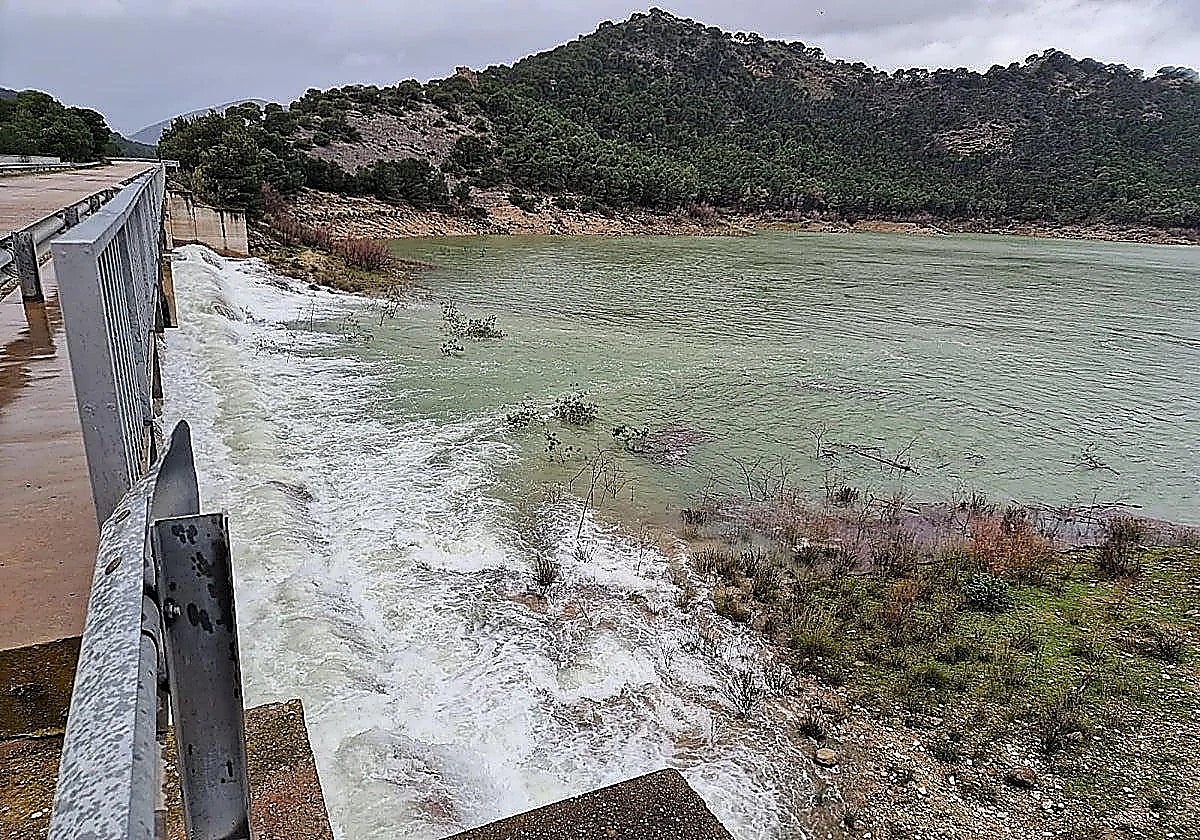
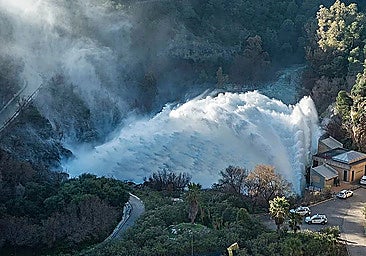
Technical sources from the regional government told SUR that the Guadalhorce and Guadalteba reservoirs will open their bottom drains to release water for irrigation.
The first deliveries arrived on 20 April, but widespread breakdowns initially prevented the irrigation of not much more than 3,000 of the area's 10,000 hectares. Currently, water from the reservoirs is reaching just over 8,000 hectares. However, according to the agricultural association Aprema, key infrastructure - such as the Cártama siphon - remains damaged, while other sections are still undergoing cleaning.
This year, all three of the area's reservoirs are practically at 100 per cent capacity. According to the Hidrosur network, the Guadalhorce and Guadalteba reservoirs were completely full on Tuesday, while the Conde de Guadalhorce reservoir was at around 93 per cent capacity. Together, they hold more than 341 million cubic metres of water.
Related story
-
Infrastructure
Julio J. Portabales
The regional ministry of agriculture's planned monthly allocations are as follows: two million cubic metres in April; five million in May; six million in June; seven million in July; eight million in August; and six million in September.
Other vital pieces of infrastructure, such as the Fahala siphon and the Casablanca link, were out of service until recently, and irrigation ditches are still being cleared. In total, Aprema has logged around 30 separate infrastructure incidents.
By contrast, last year's drought allocation was barely enough to keep fruit trees alive. However, in the years preceding the drought, allocations had regularly reached up to 44 million cubic metres. To tackle the current issues, the regional government has allocated a budget of 7.5 million euros for the reservoir system and irrigation network.
"We needed to be able to irrigate and plant without worry this year," said an Aprema representative. "We can't delay planting the summer vegetable crops any longer: tomatoes, courgettes, cucumbers, watermelons, peppers, aubergines, and melons. Those crops need water almost daily. Because the surface soil is dry, moisture is only found deeper down. Whilst fruit trees, like citrus and even tropical fruits, might hold out for another month, they will also need a lot of water soon."
Aprema expressed frustration over the regional government's response time: "We don't understand how, after last year's warnings, we have been caught off guard again. Cleaning and repairs cannot be done when the ground is muddy, but the water already released from the dams into the river could have been used to test the channels. That would have got a significant amount of work out of the way. We believe much more powerful machinery could have been hired to speed up the recovery work on the damaged infrastructure."
For more news on Guadalhorce Valley click here
![[]](http://static.vocstatic.com/voc26/latest/assets/images/favicon/surinenglish/apple-touch-icon-57x57.png)