
Water welfare
Andalucía pays €10m in fines for dumping wastewater into Guadalhorce river
The legal battle over the Edar Norte treatment plant is now before the Supreme Court. Meanwhile, the regional government must continue to pay €634,000 every six months in EU penalties
Chus Heredia
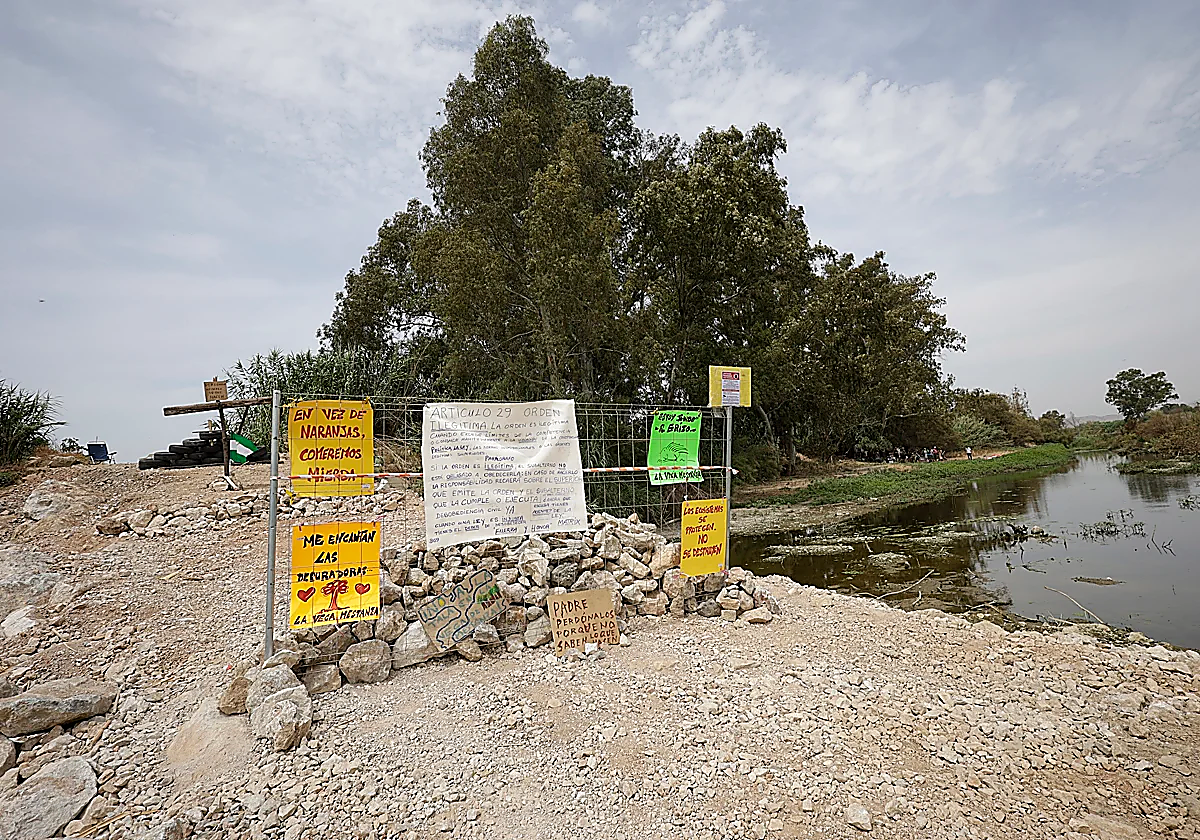
Since the ruling of the High Court of Justice of Andalucía (TSJA) and the regional government's subsequent appeal, the future of the Edar Norte wastewater treatment plant in Malaga province has been in the hands of the Supreme Court.
The TSJA sided with the residents of the Vega de Mestanza and Lomas de Cantarrana areas, who opposed the construction of the plant - the largest hydraulic engineering project currently awarded in Andalucía (104 million euros).
104
million euros is the cost of the project for the construction of the Edar Norte wastewater treatment plant
The project's temporary suspension implies high fees for the regional government (Junta), as the discharging of untreated water into the Guadalhorce river violates EU regulations. The fines, including the first half of 2026, have already reached ten million euros. These fines come from public funds.
The regional government suspended the work - not out of legal obligation, but simply as a matter of common sense, given the volume of the investment. The first plans for the plant date back 20 years.
The Cártama paradox
The fines levied against the regional government since 2018 total 630,000 euros every six months. They involve the case concerning Alhaurín El Grande. No cases have yet been opened against Cártama, but a significant paradox exists: the regional government has six open cases against Cártama, also for illegal water dumping, even though this falls under its jurisdiction. This is the basis for the local government's belief that they will win any appeals they file.
630,000
euros is what the Andalusian regional government has to pay every six months for dumping wastewater into the Guadalhorce river
Finance councillor of Cártama Miguel Espinosa told SUR that each of these cases amounts to 6,000 euros. He cited rulings from the TSJA and the Supreme Court that establish a legal precedent. "If we don't win our appeals, we will take legal action," he stated, adding that the regional government is charging a waste disposal fee of 200,000 euros per year.
Fortunately, the gradual implementation of infrastructure has eliminated other record fines in the province. The first batch of infractions identified four discharge zones (Coín, Nerja, Estepona and Alhaurín el Grande). Those cases totalled more than 12.3 million euros. In other words, the total amount of these record fines, many of which have already been resolved, exceeds 23 million. This amount will keep increasing, as mentioned, until the wastewater treatment plant in Alhaurín el Grande is fully operational.
Related story
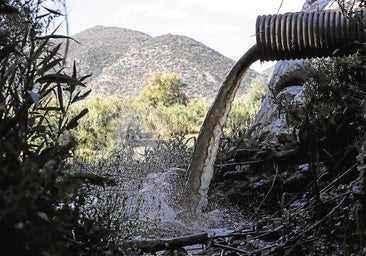
The Edar Norte plant (WWTP) will treat the wastewater from Alhaurín de la Torre, Alhaurín El Grande, Cártama and the new development areas of Malaga city. This future facility should not be confused with the large Guadalhorce wastewater treatment plant in the city of Malaga, which also treats wastewater from Torremolinos, nor with the Bajo Guadalhorce plant, which treats wastewater from Coín and Pizarra.
Municipal water company Emasa manages the former, billing third parties for the service provided. The provincial authority manages the latter. In theory, Emasa would also manage the future WWTP, pending the finalisation of the legal structure and the outcome of legal proceedings.
Legal basis
The EU establishes the necessary measures that member states must adopt to ensure that urban wastewater receives adequate treatment before discharge and sets the maximum time limits for the implementation and commissioning of such treatment.
In 2010, the Junta agreed to provide technical and financial assistance to local entities, declaring these works to be of general interest to Andalucía. According to the EU, the Junta has been violating its directives since 2015.
The implementation of this project would achieve two objectives: compliance with environmental goals and an increase in available resources in the Guadalhorce Valley through the reuse of treated wastewater.
The importance of this alternative resource is self-evident. Recently, the Axarquía district, for example, has begun receiving reclaimed water for irrigation from the Peñón del Cuervo wastewater treatment plant in Malaga. A project is also under way to expand the tertiary treatment stage of the Guadalhorce wastewater treatment plant and provide 15 million cubic metres per year for agriculture and golf courses.
Joint venture Aquambiente-Dinotec-Sando won the 36-month contract for the construction of the future Edar Norte plant at the end of 2021. The plan was to phase the work and increase the number of teams to prioritise addressing the discharges that resulted in fines.
Uncertain future
In short, the technical improvements the Junta has made to the project have so far proven largely ineffective. These improvements included a 34 per cent reduction in the plant's physical footprint; upgrades to the tertiary treatment facilities; sludge treatment outside the designated area; and the possibility of future expansions without requiring additional land.
The future of this crucial infrastructure is highly uncertain. It goes without saying that if alternative land has to be sought and the project restarted from scratch, the fines would continue increasing for at least another five years.
![[]](http://static.vocstatic.com/voc26/latest/assets/images/favicon/surinenglish/apple-touch-icon-57x57.png)