
Health
Malaga doctors warn of severe hospital bed and staff shortages as population surges
Doctors' association president Pedro Navarro calls for dedicated 3.4-billion-euro regional health budget and warns high rents hinder talent retention
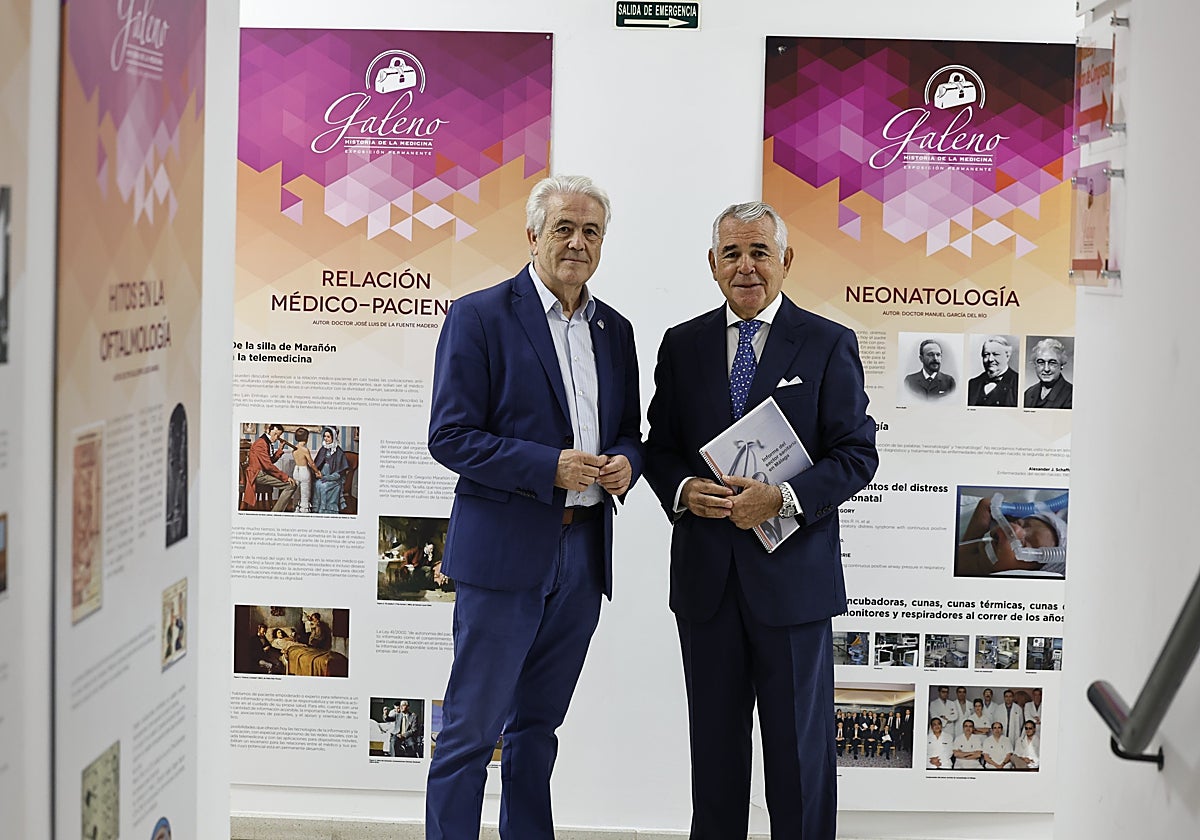

Malaga province requires an immediate overhaul of its healthcare strategy to address severe deficits in hospital beds, health centres and medical staff, according to a ... report published by the local doctors' association.
Presenting the study alongside second deputy president and oncologist Emilio Alba, association president Pedro Navarro urged the Andalusian health service (SAS) to grant Malaga a dedicated healthcare plan and a budget exceeding 3.4 billion euros. Navarro stressed that Malaga's population has grown by more than 10 per cent since 2015 - three times the regional average - with over 70 per cent of residents concentrated in the provincial capital and along the Costa del Sol.
Floating population and primary care pressures
The report emphasizes that Malaga receives 9.9 million tourists annually and supports an estimated 300,000 unregistered temporary residents. Navarro argued that funding criteria must account for this floating population, which places extra pressure on regional healthcare infrastructure.
Malaga currently has 3.85 health centres per 100,000 inhabitants, compared to an Andalusian average of 4.98 and a national average of 6.24. On the Costa del Sol, the ratio drops to 2.80 health centres per 100,000 residents, representing the lowest figure in the autonomous community.
Hospital bed deficit and long-term targets
The province maintains 12 public hospitals providing 1.56 public beds per 1,000 inhabitants, well below the Andalusian average of 1.97 and the Spanish average of 2.30.
While upcoming infrastructure projects - including the new Pascual hospital and planned facility expansions - will increase public bed capacity from 2,797 in 2025 to 3,612 by 2032, the ratio will only rise to 1.78 beds per 1,000 residents. The report notes that Malaga would require 3,973 beds to reach the Andalusian average and 4,443 to meet the national benchmark.
Staffing bottlenecks and housing barriers
Malaga records 5.8 doctors per 1,000 inhabitants, compared to 6.3 nationally. In primary care, the ratio stands at 0.65 doctors per 1,000 residents, falling to 0.58 on the Costa del Sol compared to 0.74 across Andalusia and 0.78 across Spain.
With more than a quarter of working doctors approaching retirement age, Navarro called for mapped staffing strategies, improved job security and expanded MIR medical training places. However, he warned that training efforts remain ineffective if newly qualified professionals leave due to uncompetitive conditions and high rental costs across Malaga.
The private sector currently provides 20 hospitals accounting for roughly 40 per cent of all hospital beds in the province, while nearly 30 per cent of the local population holds private health insurance. The association proposed establishing transparent cooperation agreements with private providers to absorb demand peaks and reduce surgery waiting times, which currently average 160 days in Andalusia compared to 118.6 days nationally.
![[]](http://static.vocstatic.com/voc26/latest/assets/images/favicon/surinenglish/apple-touch-icon-57x57.png)