
Travel
Casares named one of Spain's 'Pueblos Mágicos' for 2027, bringing Malaga's total to 13
Whitewashed hill town on the Western Costa del Sol is one of 14 municipalities across Spain selected to join the rural tourism network next year
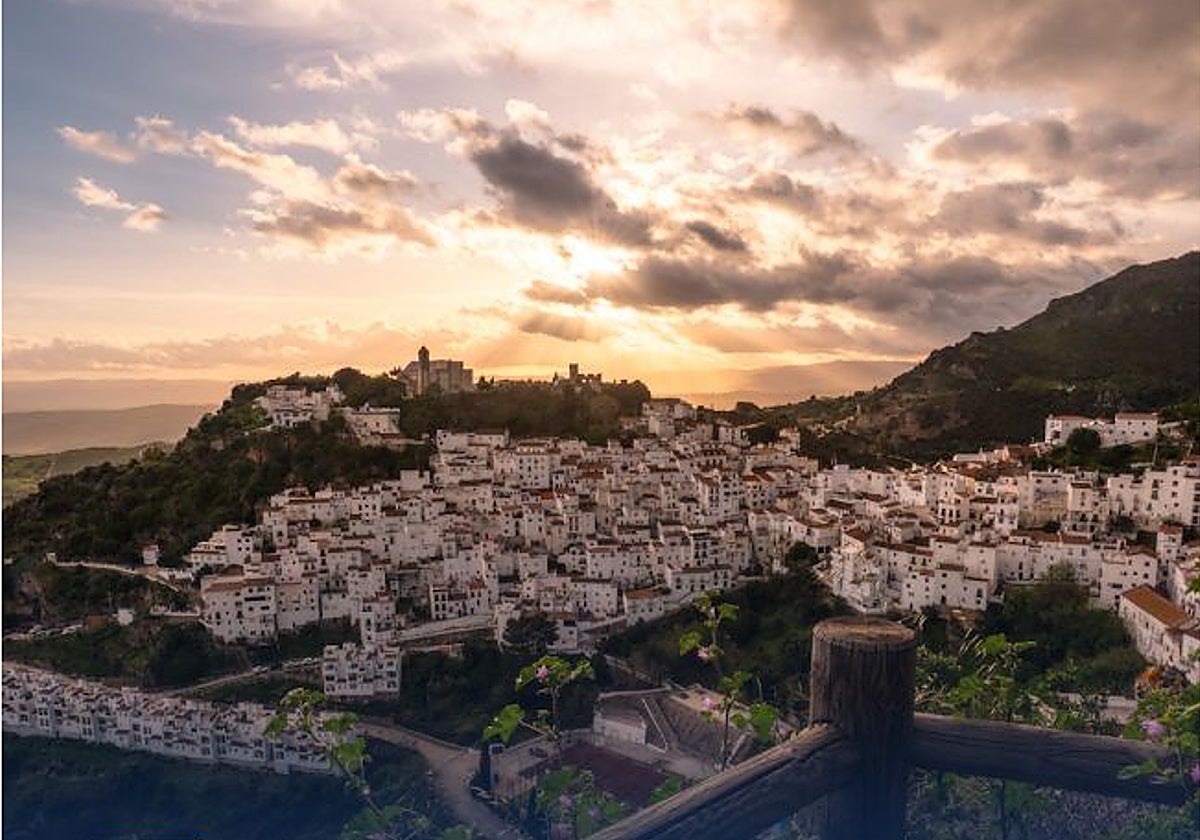

Casares
Casares has been officially named one of Spain's 'Pueblos Mágicos' ('magical towns') for 2027, placing the whitewashed village on the Western Costa del Sol ... among the country's most celebrated rural destinations for its urban character, natural setting and historical identity.
The jury for the initiative - launched in 2016 by a non-profit organisation - highlighted "the layout of its historic centre, which is adapted to the mountainous terrain".
Casares' distinctive silhouette of whitewashed houses terraced into the rock face, its labyrinth of narrow streets and traditional architecture blending seamlessly into the surrounding peaks proved decisive in securing the accolade.
Casares is one of 14 municipalities nationwide selected to join the network in 2027 - alongside fellow Andalusian towns Jódar and Sabiote in Jaén province.
Its inclusion takes Malaga province's representation to 13 towns, joining existing members Alfarnate, Arriate, Atajate, Canillas de Aceituno, Casarabonela, Comares, Cómpeta, El Borge, Fuente de Piedra, Gaucín, Moclinejo and Tolox.
Andalusian heritage and local economic boost
Casares town hall welcomed the announcement, with councillor for historical heritage Alejandro García Vidal noting that the evaluation committee was captivated by "the natural beauty of the municipality, a town steeped in history, with distinctive architecture that blends seamlessly with its narrow streets and is surrounded by mountains offering spectacular views".
García Vidal also underlined the town's symbolic weight as the birthplace of Blas Infante - regarded as the 'father of the Andalusian nation' - giving Casares a unique place in the history and identity of Andalucía.
Beyond international tourism promotion, joining 'Pueblos Mágicos de España' is designed to deliver a direct economic boost by encouraging cooperation between municipalities and supporting local shops, hospitality venues and cultural initiatives that help combat rural depopulation and keep village life thriving.
