
Costa del Sol
Torremolinos recorded more than half a million overnight stays this May
These figures, released before the halfway point of the year, represent a five per cent increase compared with 2025 and are linked to a rise in employment in the sector

Torremolinos
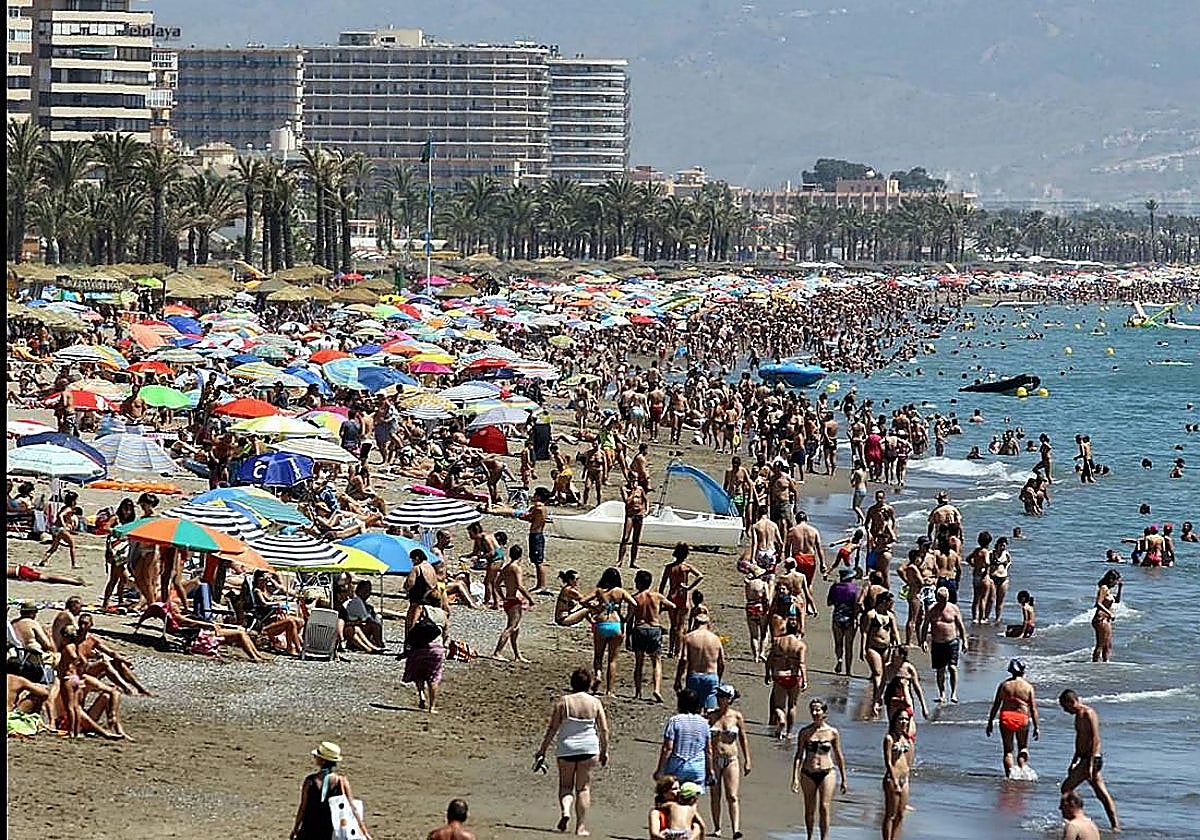
The national statistics institute’s hotel occupancy survey shows that Torremolinos saw an increase in visitor numbers and overnight stays last May; a rise which, ... as the council explained following its analysis of the data, is driven by domestic tourism. There were 121,240 visitors, representing a three per cent increase on the same period last year.
As far as overnight stays are concerned, the increase is even greater, reaching 562,879 – five per cent higher than in May 2025. These figures give cause for optimism ahead of the start of the peak season.
As for Spanish visitors, their numbers rose by 22.7 per cent to 29,145, 5,401 more than in the same month of 2025. Overnight stays have also risen by 14.3 per cent to 82,707 - 10,408 more than in May 2025.
Related story

These figures confirm the continued interest in the destination from a key segment for the municipality, which accounts for the largest market share and represented 28.7 per cent of the total in 2025.
Average length of stay
The average length of stay for tourists in the municipality’s hotels has also risen to 4.64 days, with Spanish visitors staying for 2.8 days and foreign visitors for 5.2.
In terms of hotel staff, this represents an increase of 11.1 per cent, 370 more than in May 2025, bringing the total to 3,696 employees.
The occupancy rate by bed stood at 74.4 per cent, totalling 23,125 beds across 75 open establishments.
The average daily rate was 119.54 euros, representing a year-on-year increase of 4.18 per cent. Revenue per available room also rose, reaching 98.87 euros in May, an increase of 3.99 per cent.
The town hall said that the aim is to grow in these areas, “always as part of a strategy geared towards attracting higher-quality tourism, with longer stays and higher spending”.
Funding
Alongside the positive reception these figures have received, the Mayor of Torremolinos, Margarita del Cid, has expressed in various forums the need to address the "underfunding" which, she said, is suffered by local authorities that face heavy pressure on their public services as a result of being top-tier tourist destinations. This is certainly the case in Torremolinos, which, with a population of around 75,000, sees its population increase significantly during much of the year due to holidaymakers, which has a direct impact on basic services such as cleaning, security, urban maintenance, infrastructure and beaches.
In light of this finding, Del Cid is calling on the Spanish government to implement a "structural" response, either by reviewing the funding model for tourist municipalities or by creating specific instruments that enable local councils to cope more effectively with the additional burden they bear.
These solutions, as the mayor has stated, must be based on clear principles: management that is closely tied to the local area, direct benefits for the municipality, and the use of resources to address the real needs arising from the pressure of tourism. She went on to say that the tourist tax, if introduced, must always be based on the premise that this option must offer legal certainty and leave it to local authorities to decide freely whether to apply it, depending on their specific circumstances and needs.
Concept review
“Revising the concept of the ‘tourist municipality’ from a more functional perspective, one that recognises its true economic and social significance and the increased pressure it places on municipal services,” is one of the priorities of the FEMP’s tourism commission, which also involves reviving funding for these municipalities.
According to the organisation’s report, the status of ‘tourist municipality’, as set out in the local finance regulations, is granted to municipalities with more than 20,000 inhabitants where the number of second homes exceeds that of primary residences – a criterion met by only 14 municipalities across the whole of Spain. These municipalities receive specific funding derived from the allocation of a small percentage of various taxes.
According to the FEMP, a tourist municipality must be institutionally recognised and meet requirements relating to the actual use of resources, with data on visitor numbers or overnight stays; political and budgetary commitment, through the allocation of human and financial resources; visitor-oriented public and private provision, including information, signage and tourist services; strategic planning and tourism promotion, featuring distinctive brands or products; and, finally, policies on sustainability, accessibility and quality at the destination, as well as compliance with environmental regulations.
![[]](http://static.vocstatic.com/voc26/latest/assets/images/favicon/surinenglish/apple-touch-icon-57x57.png)