
Food and Drink
Vélez-Málaga extends closing time for terraces without awnings until 2am
The eastern Costa del Sol town hall has said that the extension affects "key dates" when the streets are busiest, bars and restaurants have more customers and outdoor seating areas become meeting points
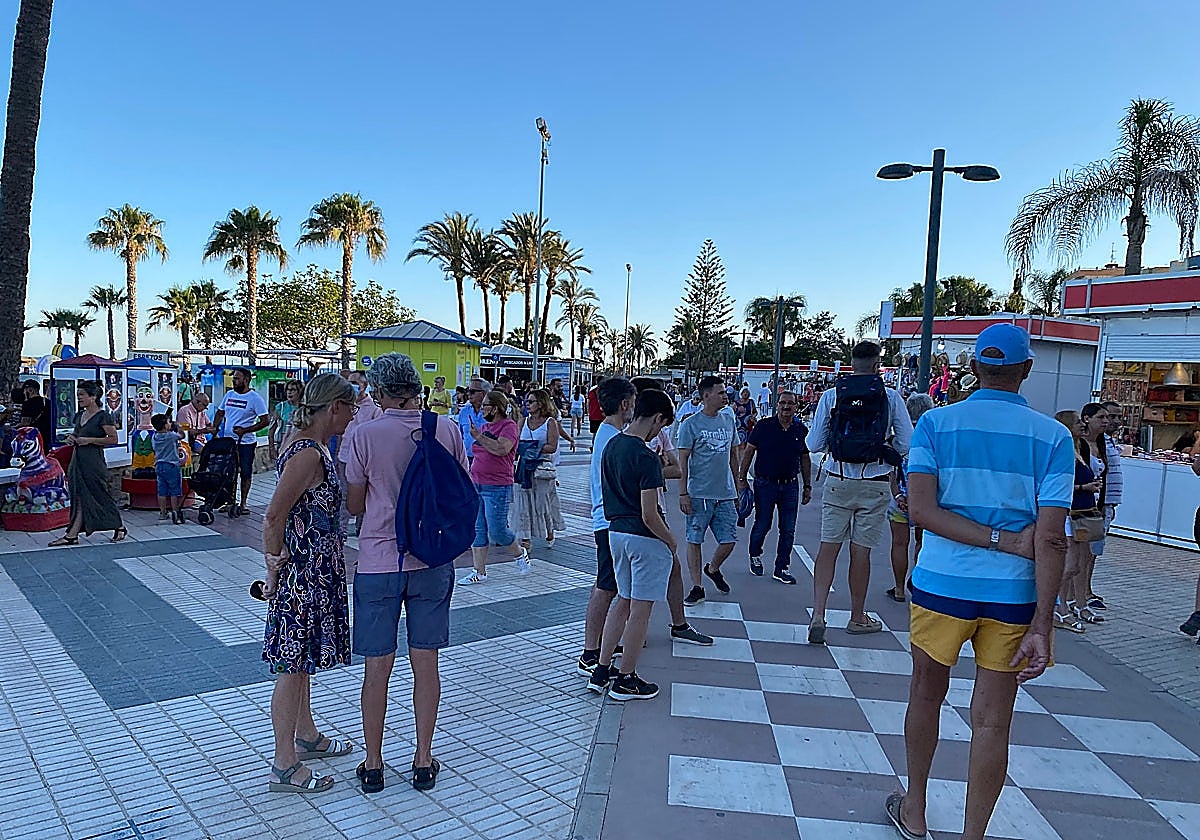
Eugenio Cabezas
Vélez-Málaga town hall on the eastern Costa del Sol announced on Tuesday 26 May an extension of the closing time for terraces without awnings during peak tourist periods. This measure addresses a long-standing demand from the hospitality sector, particularly in Torre del Mar, following years of tensions over opening hours, regulations and the impact on residents.
The new measure will allow terraces without awnings to remain open until 2am every day of the week during three specific periods: from 15 May to 15 September, during Holy Week (from Palm Sunday to Easter Sunday) and during the Christmas period (December 5 to 5 January).
The town hall has said that the extension affects "key dates" when the streets are busiest, bars and restaurants have more customers and outdoor seating areas become meeting points. However, the town hall went on to say that the measure will be applied "always within the law" and maintaining "a balance between economic development and the residents' right to rest."
The town hall has warned that the extended hours will be conditional on compliance with regulations and respect for peaceful coexistence among residents. In the event of repeated disturbances or problems with coexistence, the established general hours will be reinstated, according to the statement.
Dialogue
"It is a responsible, balanced and guaranteed measure that gives the sector leeway during peak times, but with control and responsibility," stated deputy mayor Jesús Pérez Atencia, who defended the resolution, saying it demonstrates that it is possible to govern "through dialogue," listening to associations and within the legal framework established by the Andalusian regional government. The councillor also pointed out that consuming alcohol in public spaces outside of authorised terraces remains prohibited.
The measure comes after the town hall authorised an exceptional extension of opening hours in December 2025 during the Christmas season, allowing terraces without awnings to close at 2am on Fridays, Saturdays and the eves of public holidays between 5 December and 7 January. That decision was presented as a trial to support the hospitality sector without sacrificing control over potential disturbances.
The debate surrounding hospitality opening hours in Vélez-Málaga has been ongoing for years and intensified after complaints from business owners in Torre del Mar about terraces closing at midnight during the summer. In September, the town hall announced the creation of a sectoral committee to review the municipal ordinance on outdoor seating areas and auxiliary structures, with the participation of business associations and municipal technicians.
The regulatory review seeks to reconcile two interests that are not always easy to balance: the economic activity of bars, restaurants, and shops, especially during peak seasons and the right to rest for residents. This balance is particularly delicate in areas such as the historic centre of Vélez-Málaga and the Torre del Mar seafront, where the concentration of bars, restaurants, and tourist establishments is higher.
The precedent set by the ruling on noise from the El Copo entertainment district in Torre del Mar continues to weigh heavily on the municipal debate. That 2008 ruling ordered Vélez-Málaga town hall to pay millions in compensation, which will be fully paid in 2027 and has influenced local policy on nightlife, outdoor seating areas, opening hours, and noise control for years.
With this new resolution, the town hall aims to address one of the hospitality sector's main demands but makes it clear that the extension will not be automatic if violations occur. The summer season, Easter and Christmas will once again serve as a test of the balance between a more competitive hospitality sector and the rules of coexistence, which the town hall says it will continue to monitor.
![[]](http://static.vocstatic.com/voc26/latest/assets/images/favicon/surinenglish/apple-touch-icon-57x57.png)