
Environment
Axarquía environmentalists oppose turning Río Chíllar route in Nerja into 'theme park'
A local group has submitted a document demanding that the area remain closed to preserve biodiversity and prevent incidents
Eugenio Cabezas
The process to reopen the Río Chíllar walk in Nerja under regulated conditions is facing a new formal objection.
The Axarquía environmentalist group (Gena-Ecologistas en Acción) has submitted objections to the regional ministries of agriculture and sustainability demanding the annulment of the concession for the commercial exploitation of the area.
The environmental group believes the proposed model turns the Chíllar river into a kind of "theme park" and warns that the ongoing process cannot be limited to the occupation of public water resources.
Related story
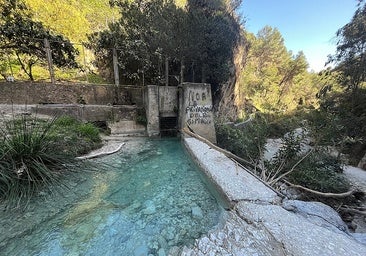
The objection has come during the public consultation period. The regional government has accepted two business proposals for the future management of the site: one from Iniciativas Turísticas Ardales (Travelnatura) and another from Construcciones Sánchez Domínguez-Sando.
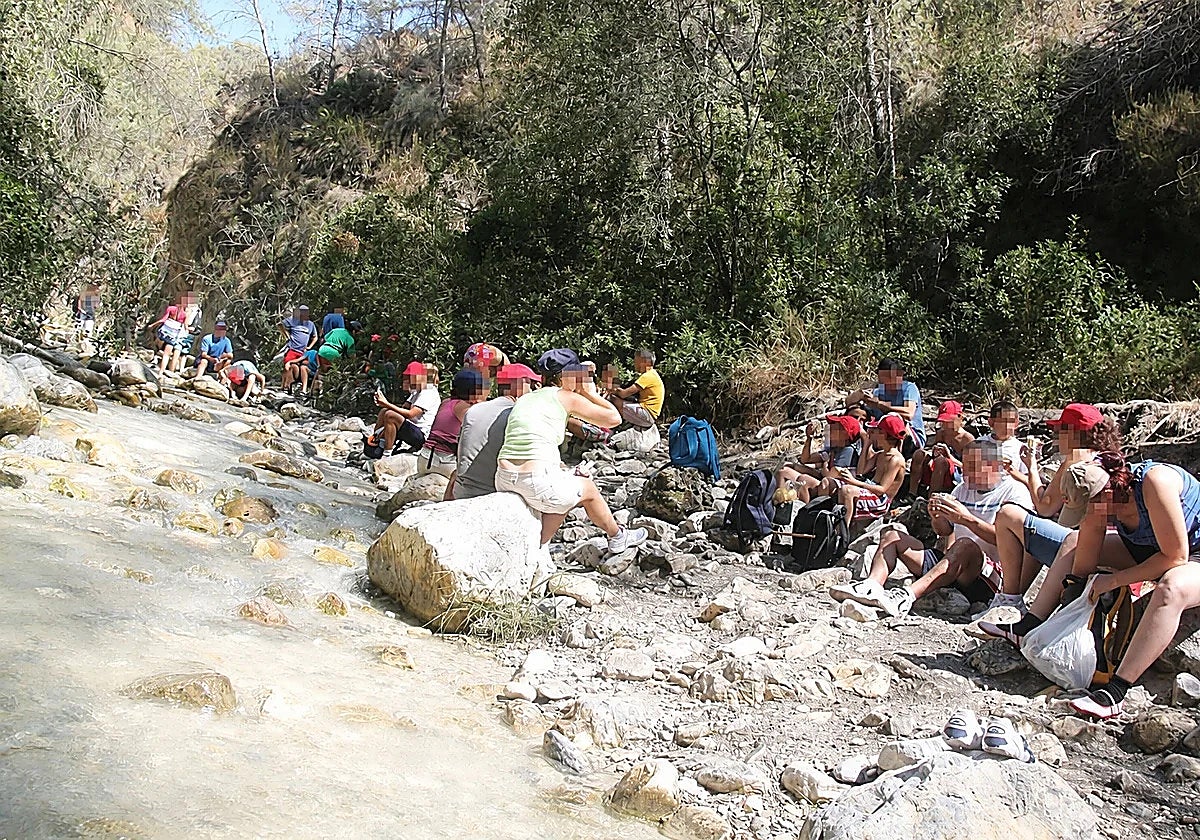
Nerja town hall closed Río Chíllar in August 2023, after years of overcrowding, environmental pressure, safety problems and an increase in rescues. Prior to its closure, some summer weekends saw up to 3,000 visitors a day.
According to Gena, the project inevitably impacts some of the nine habitats of regional interest in the Chíllar river area, which is part of the protected area of the Tejeda, Almijara and Alhama mountain ranges.
The association points out that these habitats are part of the Natura 2000 network and that the area has been a special protection area for birds (SPA) since 2003.
Gena also says that the Chíllar is the only river in the Axarquía area that the Spanish government has declared a river nature reserve. According to environmentalists, this requires that the uses of the riverbed do not compromise ecological flows or natural state, obligating the relevant authorities to exercise extreme vigilance regarding any economic or recreational activity.
In the document, the association has included an inventory of 502 species of flora and fauna, compiled from its own studies and the work of researchers from the universities of Malaga and Granada. Of these, 64 are plants and 436 are animals. Specifically, it lists 24 cryptogams, 40 flowering plants, 80 vertebrates and 356 invertebrates.
Gena warns that 21 of these species are on the IUCN red list of threatened species and regional catalogues. Among them are endangered, vulnerable and near-threatened species, both plant and animal. Authorities have an obligation to reduce the sources of threat and promote their recovery.
Among the particularly vulnerable species is Bonelli's eagle and the Iberian midwife toad, both species of special concern in the natural resources management plan for the Sierras de Tejeda, Almijara y Alhama natural park. According to GENA, allowing intensive recreational use of the riverbed would run counter to the conservation obligations of the natural park.
One of the central arguments of the complaint is that Río Chíllar has no capacity to handle human traffic. Gena rejects studies indicating that the area could support more than 600 people daily, some 90,000 during the warmer months, and states that access inevitably requires walking on the riverbed and its banks, precisely the areas where much of the biodiversity is concentrated.
Gena reminds the public that, years ago, it reported the disappearance of a significant plant species (Galium viridiflorum) from the banks of the Chíllar river, which it attributed to trampling by hikers. It also warns of the impact on aquatic invertebrates and the possible transmission of fungal spores that endanger amphibians due to the constant movement of people in the water.
In addition to the ecological risks, the association also raises safety concerns in the objections document. The river flows through a forested ravine with abundant vegetation. Environmentalists warn that a fire with visitors along the route could have serious consequences due to the difficulty of evacuation, overcrowding in narrow areas such as the Cahorros gorge and the risk of smoke inhalation.
Different plans
The two companies interested in managing the space are proposing different models.
Travelnatura is proposing tourist access from 1 May to 31 October, with an initial capacity of 500 people per day, a general admission price of ten euros, two separate routes and a possible shuttle service to the quarry.
Sando is proposing a more compact operating model, with access from La Cantera, a single route to Poza de los Patos, identification wristbands, included insurance and an admission fee of 4.90 euros.
In response to these proposals, Gena-Ecologistas en Acción has stated that the most reasonable option would be to declare the area a "biodiversity sanctuary". The objections conclude that opening Río Chíllar to recreational use would be "highly detrimental" to biodiversity and contrary to the function of the natural park.
SUR has so far attempted, without success, to obtain a statement from the local ruling team in Nerja regarding the environmentalists' claims. The immediate future of the Chíllar river remains contingent on administrative procedures, sectoral reports and the resolution of the submitted objections.
While tourism and business sectors advocate for regulating visits to reopen the area, environmental groups maintain their staunch opposition to any approach that involves the economic exploitation of the riverbed.
Access environmental monitoring and nature news
![[]](http://static.vocstatic.com/voc26/latest/assets/images/favicon/surinenglish/apple-touch-icon-57x57.png)