
Weather phenomena
Malaga remembers three historic tornadoes and supercell that wreaked havoc in Campillos seven years ago
The rare weather event left a trail of destruction, uprooted trees and more than 60 dead goats

Málaga
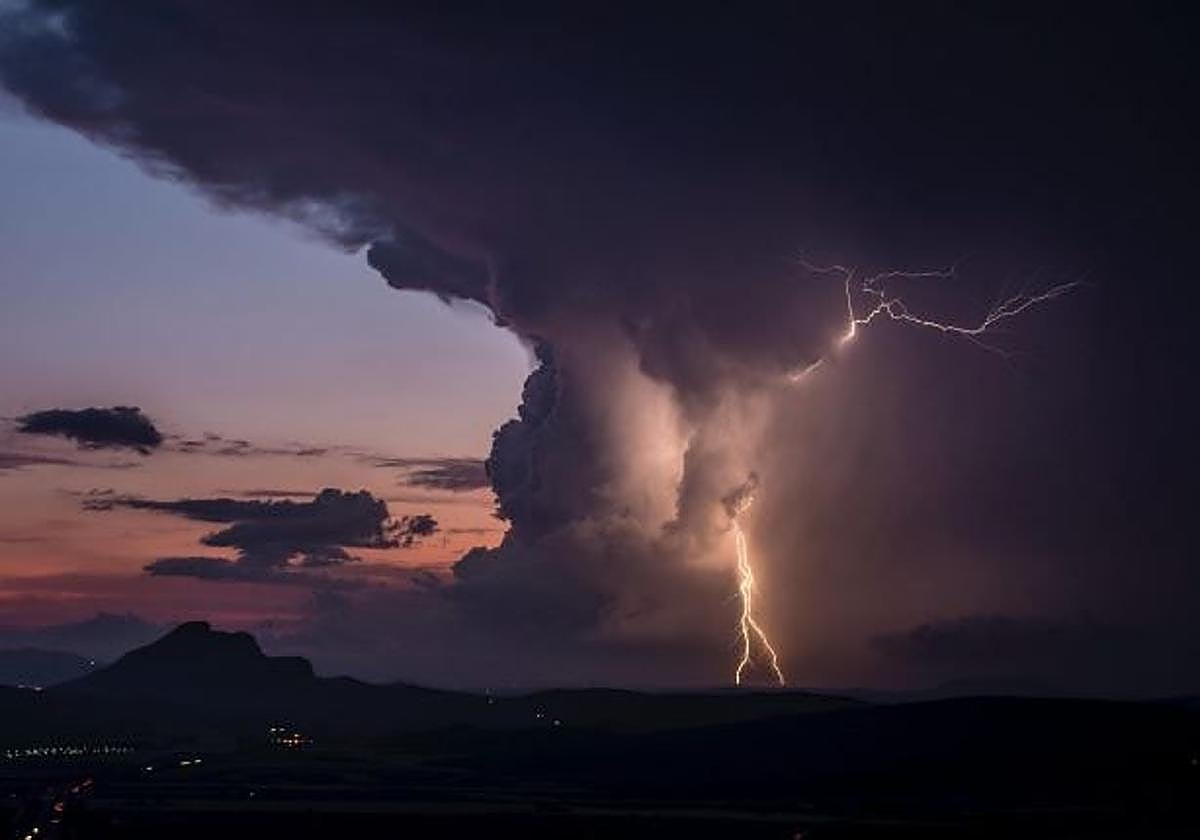
Residents of the Antequera municipality of Campillos are unlikely to forget the extraordinary weather event that struck the area on 26 August 2019. Some have ... to photos and videos they took from a safe distance as the sky filled with lightning and hail and three tornadoes formed in quick succession.
The Aemet state meteorological agency described the event as unusual and later carried out a detailed study of the storm, examining the tornadoes' paths, the distribution of lightning strikes and the damage they caused.
Although nobody suffered personal injuries, the storm caused extensive damage in Campillos and neighbouring Sierra de Yeguas. The second of the three tornadoes caused most of the destruction.
Related story
-U64162501121BVg-366x256@Diario%20Sur.jpg)
According to Aemet's report, at least six agricultural and industrial buildings were destroyed, more than 60 goats were killed and power lines, farmland and local roads suffered damage. Numerous trees were also affected, with branches torn off and smaller trees uprooted. Witnesses reported objects being lifted and thrown by the powerful winds.
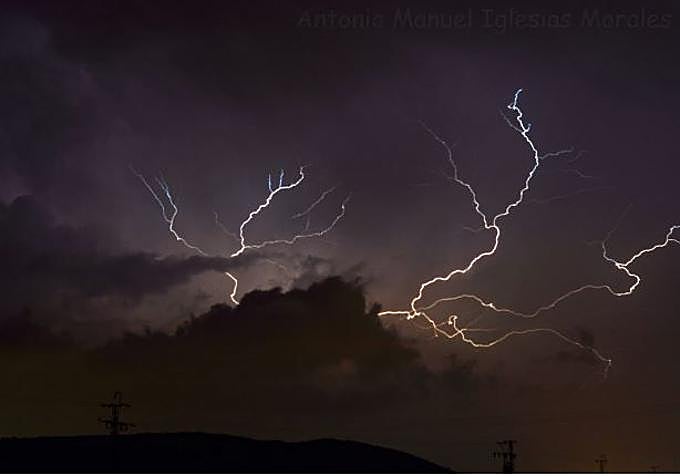
The final days of August 2019 brought numerous thunderstorms across the interior of Spain. Aemet described some of them as particularly spectacular, including the tornadic supercell that developed over Campillos.
The large number of weather enthusiasts who photographed and filmed the storms across the country also gave meteorologists a wealth of material to work with, allowing them to reconstruct the event in greater detail afterwards.
Meteorology expert José Luis Escudero said that, seven years on, the event remains one of the most unusual weather phenomena ever recorded in the Campillos area. He also said it serves as a reminder of the power and unpredictability of severe storms.
What is a tornado supercell?
A supercell is a highly organised thunderstorm capable of producing severe weather at the surface. A key feature is a deep and persistent mesocyclone: a rotating column of air within the storm that rises and spins around a vertical axis, typically measuring between three and ten kilometres across.
Of the three tornadoes produced by the storm, the first formed between 8pm and 8.35pm. It affected an area between Martín de la Jara and Sierra de Yeguas, about 5.5 kilometres north of Campillos. Photos and videos show that it passed very close to two parallel rows of wind turbines, according to Aemet.
Witnesses spotted the second tornado between approximately 8.45pm and 9.15pm over farmland and agricultural and livestock holdings around Campillos. It travelled at least 700 metres before disappearing from view.
Based on the damage, Aemet estimates that the tornado reached EF1 intensity, with maximum wind gusts of between 135 and 175km/h. The agency says the winds were probably towards the upper end of that range and that it cannot rule out the possibility that the tornado briefly reached EF2 intensity.
The third tornado formed at around 9pm, towards the final stage of the supercell. Photos and videos indicate that it occurred west of Campillos, although researchers have been unable to establish exactly how long it lasted.
Aemet said the third tornado was documented only through photographs and videos taken by witnesses. It formed as darkness fell and caused no reported damage, making it particularly difficult to reconstruct its path and duration.
![[]](http://static.vocstatic.com/voc26/latest/assets/images/favicon/surinenglish/apple-touch-icon-57x57.png)