
Anniversary
When 'Marbella' looked not luxury at all
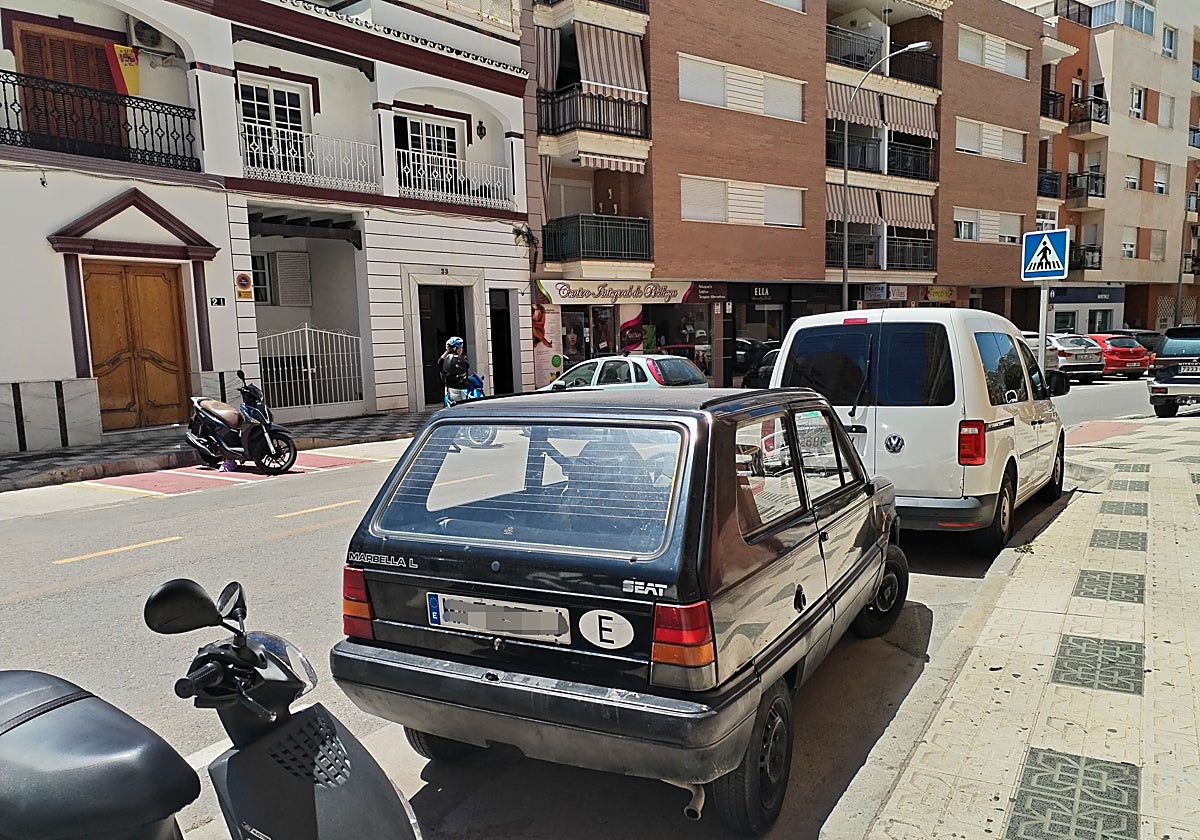
Compared to Marbella, the car of the same name was by no means luxurious. It stood out for its simplicity, fuel efficiency, and practicality
Alekk M. Saanders
Since 1953, the SEAT factory in Barcelona has been producing legendary Fiat models adapted for the Spanish market. Production of the SEAT Marbella began 40 years ago, which played a key role in the country’s widespread motorisation.
The same but different
After almost three decades of collaboration, the economic crisis of the late 1970s and financial disagreements led to Fiat’s withdrawal from Spain. Consequently, SEAT was forced to change its name and redesign its popular estate car to avoid legal issues and distinguish it from the Italian brand.
In the 80s, SEAT was forced to change its name and redesign its popular estate car to avoid legal issues and distinguish it from the Italian brand
In 1986, the SEAT Panda – a basic car for everyday use, which had been manufactured under licence from Fiat since 1980 – was renamed the SEAT Marbella. Incidentally, the name ‘Marbella’ was originally used in 1983 for a version of the SEAT Panda that was intended to give the model a less austere appearance.
The car retained its traditional 4-cylinder petrol engines with tappets, which was characterised by its low fuel consumption. The model underwent a facelift, which saw it fitted with a new front end, revised rear lights and plastic side mouldings, giving it a distinctive look that differed significantly from the original design developed by Giorgetto Giugiaro for Fiat.
The SEAT Marbella GLX featured a cassette player and higher-quality upholstery, but even these were a far cry from any notion of luxury
Although some aesthetic changes were made, the Marbella’s interior was rather spartan: the dashboard was simple, and standard versions lacked features such as central locking or electric windows. That said, there were still slightly better-equipped trim levels available. For example, the SEAT Marbella GLX featured a cassette player and higher-quality upholstery. However, even these were a far cry from any notion of luxury.
Peculiar versions
It is worth noting that the Marbella was produced in special editions which were inspired by international themes and featured some English words. For example, the SEAT Marbella Jeans edition was launched in the 1990s. The vinyl logo on the side and bonnet featured the word ‘Jeans’, accompanied by the smaller inscription ‘Casual Look’, whilst at the rear, beneath the word ‘Jeans’, the word ‘Marbella’ was written. The interior was designed in a Western style: the seats had blue denim-style upholstery, imitating jeans fabric. Moreover, the backrests of the front seats featured pockets mimicking the back pockets of trousers, with sewn-on leather labels bearing the slogan and small metal rivets. The cowboy-style design is also evident in the details of the model’s signature dashboard, shaped like a hammock. Incidentally, owners of this rare version are still amazed at how well the original denim fabric has stood the test of time compared to typical finishes of that era.
The Marbella was produced in special editions which were inspired by international themes and featured some English words
In addition, there was a rare version with a semi-open top, featuring a body by Vergadana, intended for tourist hire on the Mediterranean coast in 1992.
International markets
The ‘Marbella’ model proved popular in Portugal, Germany, Italy and the Netherlands, amongst others. Some special editions featured different colour schemes across various European markets. They featured a vinyl sticker bearing the colour name in English. Marbella Black, Red, Yellow and White were released first, followed in 1993 by Blue, Green and Pink. Marbella Orange appeared in 1995.
The SEAT Marbella proved itself well in the world of motorsport. The car performed strongly in Spanish gravel rallies in the late 1980s thanks to the ‘Proto’ version, fitted with a 1,272 cc engine and a ‘G’-type supercharger inherited from the Volkswagen Polo G40.
In the early 1990s, SEAT intended to discontinue this model, but high demand for this extremely affordable car forced the brand to continue production for several more years. It was not until 1998, after twelve years of production, that the SEAT Marbella was replaced by the SEAT Arosa.
