
Travel
Gulls, scallops and canteen lobster
How a tropical-looking archipelago off the coast of Galicia delivers high-end seafood, wild Atlantic history and aggressive avian tollbooths
Dilip Kuner
If you have ever wondered what happens when the Caribbean is mistakenly dropped into the chilly Atlantic, the Islas Cíes are your answer.
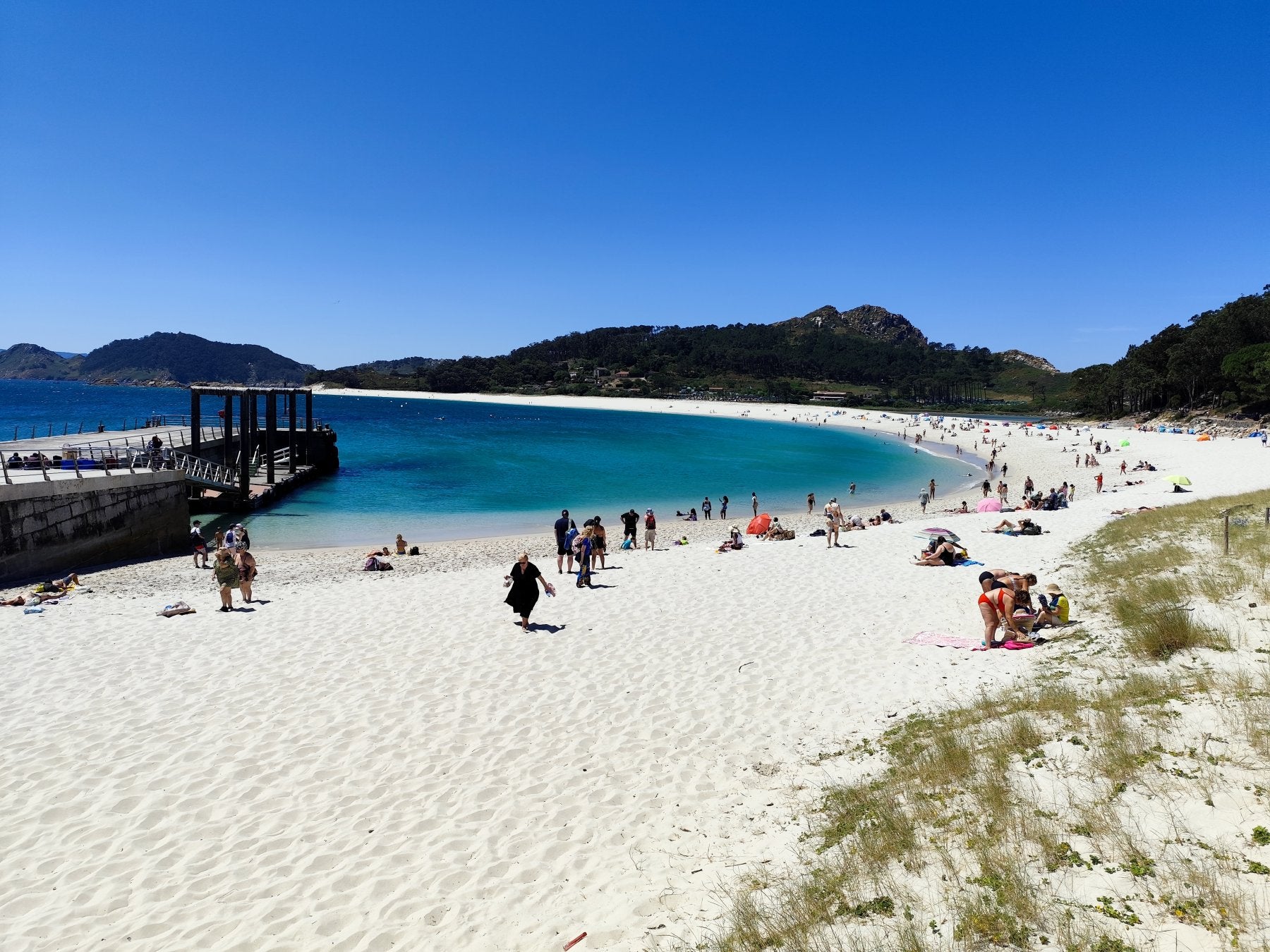
This trio of spectacular islands - Monteagudo, Do Faro and San Martiño - are a world detached from busy, modern, life. With pure white beaches and lush greenery they would not be out of place in the Caribbean.
And as Christopher Columbus discovered with the Bahamas, getting there is half the adventure.
We encountered two ridiculously stubborn gulls standing side-by-side in the exact centre of the narrow path
We boarded our catamaran ferry directly from the bustling docks of Vigo, but you can also set sail from towns like Cangas or Baiona across the river.
When the ferry slips out of harbour, urban Vigo, with its massive cruise liners at dock and buildings outlined against the sky, melts away, replaced by the dramatic silhouette of the islands guarding the bay like jagged sentinels. The trip takes about 45 minutes and is a treat in itself - a bit of a mini-cruise.
-kUIC--680x476@Diario%20Sur.jpg)
Historically, these islands have seen it all. Julius Caesar once sailed out here to hunt down the rebellious Herminii tribes who had taken refuge on what were called by the Romans the Insulae Deorum, or Islands of the gods.
Later, medieval monks built quiet monasteries to pray for solitude, only to have their peace routinely shattered by pirates - including Sir Francis Drake, who used the islands as a convenient hideout between raiding Spanish shipping lanes.
Anyway, back to today and human habitation of the islands is strictly controlled. They are the heart of the Atlantic Islands of Galicia National Park which was established in 2002, preserving a wild landscape where nature holds the upper hand. Visitor numbers are strictly regulated and you have to pre-book a slot with the regional government before you can buy a ferry ticket.
As the ferry approaches the main island of Do Faro, the startling beauty of the isle begins to unfold. When you step onto the jetty, your eyes hit Praia de Rodas. It is a crescent mile of blindingly white sand. It frames one side of a crystal-clear, aquamarine lagoon which is a haven not just to seabirds, but also to fish brought in by the tide before being trapped as the water recedes.
But make no mistake - the real rulers of this paradise are not the tourists and campers, nor the national park rangers. The Cíes belong to the yellow-legged gulls.
Because the islands house one of the world's largest breeding colonies of the birds, they are everywhere. Perched on seemingly every rock, branch and fencepost, thousands of feathered sentinels spend their day keeping an eye on their downy grey chicks. Their maternal instincts are so razor-sharp that passing humans are treated like suspicious intruders in an avian military zone.
Heading for the Monte Faro lighthouse, we encountered two ridiculously stubborn gulls standing side-by-side in the exact centre of the narrow path. A group of hikers approached. The gulls glared, unblinking. As the humans awkwardly edged around them onto the grass, the birds gave a low, disgruntled squawk and took half-a-dozen reluctant steps sideways.
The second the hikers passed, both gulls marched right back to the exact same spots in the middle of the trail, resetting the tollbooth. Another pair of hikers walked up five minutes later, and the entire absurd, passive-aggressive routine repeated itself. They weren't moving; they were just granting temporary, reluctant visas.
-kUIC--680x476@Diario%20Sur.jpg)
After navigating the gull checkpoints and taking in the views of sheer 600-foot cliffs dropping into the deep blue Atlantic, appetite inevitably comes calling. This brings you to Restaurante Playa de Rodas - a low-key, canteen-style establishment sitting by the jetty and beach.
There is something wonderfully surreal about grabbing a tray in a casual, self-service dining hall and realising you aren't just ordering basic beach food like croquetas de jamón or a burger. If you look at the board, tucked alongside classic pork ribs, grilled sea bass and chilled Albariño, is serious luxury - but at incredibly good value.
Fresh grilled whole lobster (bogavante plancha) at 41.50 euros, alongside nécoras (velvet crabs) and sizzling volandeiras (queen scallops) at 22.50 euros.
Sitting out on the terrace, tucking in to fresh grilled lobster and plump scallops while sipping cold Galician wine and watching the turquoise waves lap against Rodas Beach - all under the watchful, calculating eyes of a dozen nearby seagulls contemplating a fries-heist - is pure magic.
It's hilarious, beautiful, delicious and utterly unforgettable.
![[]](http://static.vocstatic.com/voc26/latest/assets/images/favicon/surinenglish/apple-touch-icon-57x57.png)