
Air traffic
Do flights at Malaga Airport depart on time?
AirHelp has compiled a punctuality ranking of the 23 Spanish airports with more than 200 flights per month in the first quarter of 2026
Pilar Martínez
Malaga
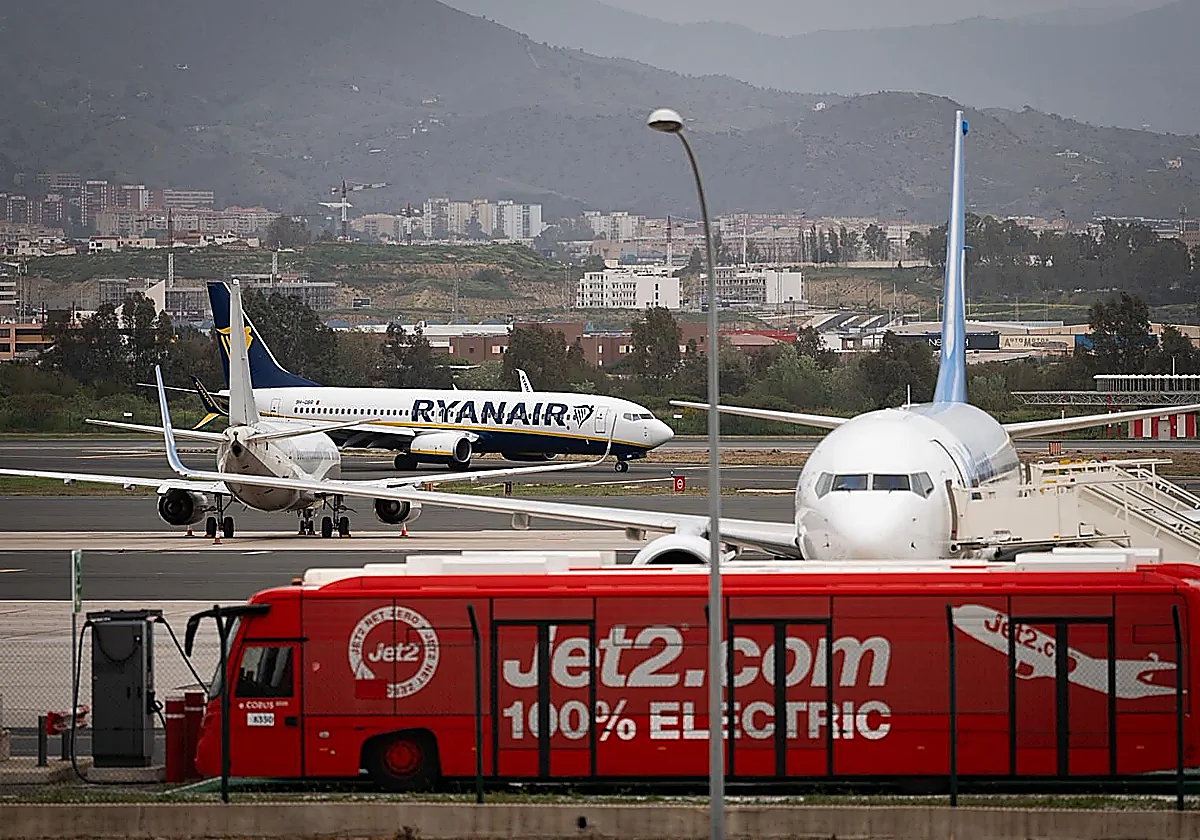
Malaga Airport is boasting record passenger numbers and aircraft movements year after year. What matters to passengers, however, is whether the flights that depart from the third busiest airport in Spain are punctual.
A new report from tech company AirHelp, which specialises in improving the passenger experience during potential flight disruptions, has answered this question. Data on air traffic in Spain and the performance of Spanish airports with more than 200 flights per month in the first three months of the year (23 airports in total) indicates that Malaga Airport is below the middle of the ranking.
Unfortunately, the Costa del Sol facility has the lowest punctuality rate among the major airports, ranking 14th, behind Lanzarote, A Coruña, Vigo, Gran Canaria, Tenerife Norte, Fuerteventura, Ceuta, Santiago de Compostela and La Palma.
AirHelp's data indicates that 2,223,000 passengers aboard the planes of 54 airlines flew from Malaga in the first quarter of this year. They travelled to a total of 148 destinations worldwide on 16,900 flights.
Of these passengers, almost 1.5 million departed on time, resulting in a 64.1% on-time performance, with passengers departing from Asturias being the most fortunate. Of the 159,000 passengers who flew from Oviedo, 81.6% departed on time. Following Oviedo are Granada-Jaén and Ibiza, which rank second and third among the most punctual airports in the first quarter, with on-time performance rates of 79.7% and 74.6%, respectively. Madrid has a punctuality rate of 65.9% and Barcelona has 67.3%.
The study also notes that most of these delays did not exceed three hours. Of the 756,000 passengers who experienced some disruption in Malaga, only 18,900 were entitled to compensation for delays exceeding three hours, cancellations or missed connections due to a prior disruption.
Globally, the report estimates that more than 27 million passengers took a flight from a Spanish airport between January and March. According to data the passenger rights organisation has provided, approximately one in three flights (34.4%) was delayed or cancelled, affecting nearly nine million passengers. "This data reflects a serious deterioration in air traffic in the country compared to last year. In the first quarter of 2025, more than 82% of journeys took place on schedule, halving the number of affected passengers to 4.6 million, compared to current figures," they say.
These organisations, however, find it "surprising that, despite the delays, the number of passengers entitled to compensation is only 185,000".
AirHelp has also studied the performance of Spain's main airports: Madrid and Barcelona. These airports handle 46% of passenger traffic in Spain, transporting 6.8 million passengers from the capital and 5.5 million from Barcelona. Of these, only 66.3% departed on time from Madrid and 68.9% from Barcelona. "After analysing this data and noting the decline in punctuality at Spanish airports, AirHelp believes it is necessary to reiterate the importance of having regulations governing passenger rights. Such regulations are currently under review in the EU."
AirHelp reminds passengers that, under current regulations, they are entitled to compensation of up to 600 euros in the event of delays exceeding three hours upon arrival, cancellations without prior notice within 14 days of departure or denied boarding due to overbooking attributable to the airline.
However, this compensation depends on the reason for the flight disruption. For example, adverse weather conditions or medical emergencies may exempt the airline from its obligation to provide compensation. Conversely, in the case of airline staff strikes, even if they have been announced, passengers are entitled to file claims.
Furthermore, if the delay incurs additional expenses (such as food, accommodation or those related to lost luggage), the airline must also cover these. Likewise, in the event of schedule changes, airlines must offer an alternative flight, which the passenger may decline if they do not wish to continue their journey. In that case, they may request a full refund of the ticket.
The regulations currently under consideration in the European Commission will broaden the delay thresholds that entitle passengers to compensation, review the amounts of these compensations and redefine the circumstances considered extraordinary that exempt airlines from this obligation.
![[]](http://static.vocstatic.com/voc26/latest/assets/images/favicon/surinenglish/apple-touch-icon-57x57.png)