
Music festivals
The rise of Spanish-language music
Summer music festivals around Andalucía are the ideal way to embrace the growing popularity of Spanish and Latin artists and discover homegrown pop, rock, flamenco fusion, EDM... there’s no end of choice
Jennie Rhodes
Summer means music festivals. Across Europe there are events to suit all tastes, some of which are legendary and others are newer on the scene and Andalucía is no exception. Not only do they attract big international names but they are also the ideal opportunity to discover the incredible wealth of Spanish-language artists and groups, from flamenco fusion to trap, reggaeton and rock - there is something for all tastes.
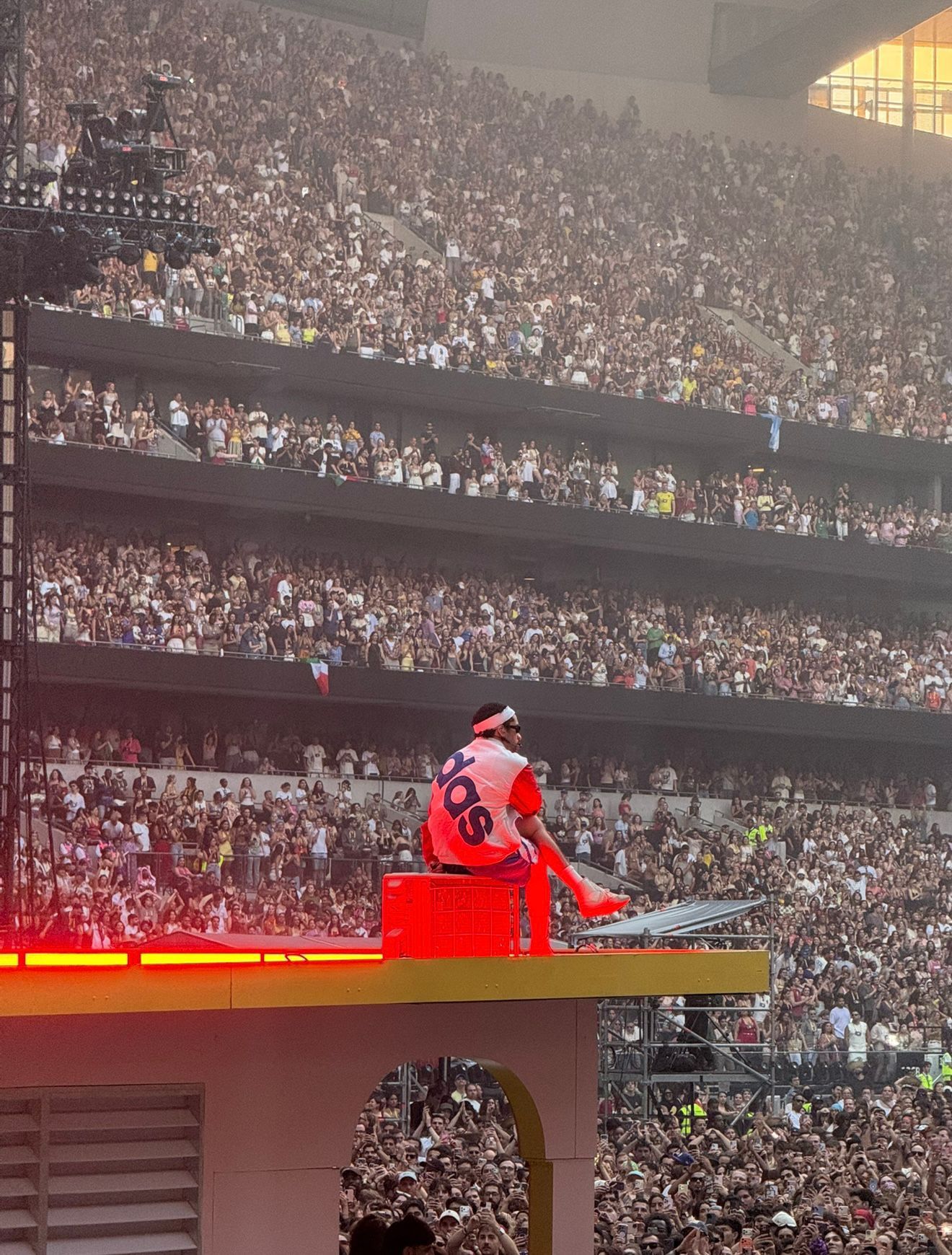
Spanish-language music is finally getting the international recognition that it deserves thanks to artists like Bad Bunny, who is in the middle of a European tour, and Rosalía, who made history as the first Spanish artist to win the UK’s Brit Award for International Artist of the Year 2026. In her acceptance speech, she dedicated the award to other Spanish-speaking musicians, celebrating the industry’s growing acceptance of non-English music.
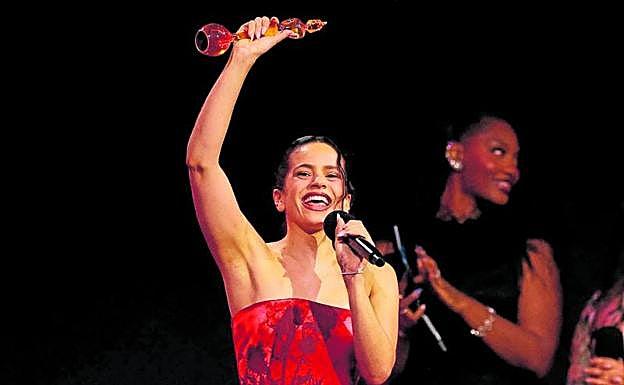
While it’s true that many Spanish-speaking performers have collaborated with English-speaking artists, such as Rosalía’s incredible performance at the Brit Awards with Bjork, who, despite being from Iceland, is best-known for her songs sung in English, social media platforms have further accelerated the spread of Spanish-language music.
Lyrics
Spanish songs have become viral trends, with users creating dance sequences and short videos that result in many listeners becoming familiar with Spanish lyrics even if they do not understand their meaning and even before the birth of social media, Los del Río had the whole world dancing to the Macarena in the mid-’90s.
British DJs and presenters Zoe Ball and Jo Whiley regularly discuss the music they’re listening to and festivals they are attending on their podcast, Dig It. In a recent episode they acknowledged this Spanish phenomenon, commenting that at a Bad Bunny concert “you don’t understand many of the words, but it doesn’t matter coz you’re just in that space with him”.
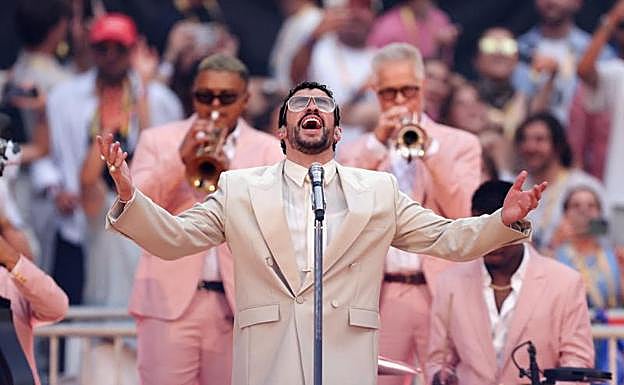
They are absolutely right; generations of Spaniards (and others) have grown up listening to pop and rock music in English without knowing the words – and in many cases investing them – but hey, there are a fair few songs that natives haven’t got either. Anyone familiar with the British comedian Peter Kay will have seen his hilarious sketch about misinterpreted song lyrics, many of which are too rude to repeat here, but I, like many, was convinced that Madonna was singing about the young girl with eyes like potatoes (A young girl with eyes like the desert) in La Isla Bonita.
Growing up in the UK in the 1980s and 1990s, there were very few, if any references to Spanish musicians (or indeed any other non-English-speaking artists). Flamenco was the music of Spain and maybe if you were interested in classical, you would have heard of Manuel de Fallas or Andrés Segovia, José Carreras and Plácido Domingo: everyone discovered the powerful voice of Montserrat Caballé thanks to Barcelona’s Olympic Games in 1992, but even then the lyrics were mainly Freddie Mercury singing in English.
In conversations with friends from Belgium to Barbados, the Netherlands to the USA and from France and Finland, it was much the same on the airwaves, notwithstanding of course the homegrown talent of the respective countries.
Spanish music on the airwaves
One friend originally from Chicago summed up much of what others said: “I’m a true millennial and if Britney Spears or NSYNC didn’t sing in Spanish, there was none of it to be heard, unless you count Ricky Martin’s Living la Vida Loca as Spanish music.”
Another friend from California said there was quite a lot of Spanish-language music played on the radio there, which stands to reason given its proximity to Mexico, but even a Mexican friend commented that at least 50 per cent of music played on the radio there was in English. It’s much the same in Spain as well.
-
Top picks
July. Mora (reggaeton-trap).
-
Sevilla Icónica, Santalucía.
July. Mora (reggaeton-trap). -
Chiclana de la Frontera Music Festival.
July. Carlos Rivera (pop), Malú, Marta Santos (flamenco fusion-pop). -
Marenostrum, Fuengirola.
July, August, September. Alejandro Sanz (pop, flamenco fusion), Hombres G (pop, rock). -
Chambao 25th Anniversary Tour.
July, September, October in Andalucía. Chambao (flamenco fusion from Malaga). -
Starlite Marbella.
July and August. AleMora (reggaeton / trap), Miguel Ríos (rock), Malú (pop-flamenco fusion), Vanesa Martín (pop-rock), Hombres G (pop rock) Gipsy Kings (rumba-flamenco).
Chambao 25th Anniversary Tour.July, September, October in Andalucía. Chambao (flamenco fusion from Malaga).Starlite Marbella.July and August. AleMora (reggaeton / trap), Miguel Ríos (rock), Malú (pop-flamenco fusion), Vanesa Martín (pop-rock), Hombres G (pop rock) Gipsy Kings (rumba-flamenco). -
It would seem that the Dutch, Danes and Swiss were a little more open-minded, although in the Alpine country, unsurprisingly it was more Italian musicians that broke the mould. In The Netherlands one (Millennial) friend was listening to Jarabe de Palo while in Denmark Julio Iglesias and the Gipsy Kings were popular.
There have of course been a few ‘breakthroughs’ but I admit that I didn’t even realise that Shakira actually sang in Spanish until I travelled to South America in 2008. Los del Rio might have had the whole world doing the Macarena in 1996, but only after the ‘Spanglish’ remix with Bayside Boys. There were of course others like Gloria Estefan and Jennifer Lopez, but like Shakira, it was the English language songs the singers became famous for outside of Spanish-speaking countries.
Anyone into dance music in the 1990s and 2000s would have either been, or at least dreamed of heading to Ibiza, where international DJs brought back dance ‘anthems’ with exotic sounding fellow DJs or Spanish mixes, but anything sung entirely in Spanish would unlikely have become an instant hit back home.
Please translate, Miss
It wasn’t until June 2017 when Despacito by Luis Fonsi featuring Daddy Yankee became the longest-running foreign language number one in UK chart history, but even then, it took a remix featuring Justin Bieber to make it.
A Spanish friend who was teaching in a primary school in London at the time said she spent an entire month translating the song for her pupils. “At least I am teaching them something and they’re interested in learning a language,” she quipped at the time.
Move forward to 2026, the era of TikTok, Instagram and perhaps a more open-minded, worldly younger generation has led to Bad Bunny, who is in the middle of a European tour, Rosalía and others, becoming global sensations.
Living in Spain of course opens the opportunities to find out about the wealth of singers and bands and summer music festivals are the perfect way to find out about them. As Zoe Ball said, it doesn’t matter if you don’t understand the words. Spanish music, as one Danish friend commented, “makes people smile and wiggle their hips”.
A Dutch friend who grew up in Belgium highlighted the popularity of Spanish music there in recent years: “Today Spanish-language music is everywhere and even Dutch and Flemish artists such as Rolf Sanchez and Belle Perez have embraced singing in Spanish. Over the decades, the world has quite literally opened up and music has become what it was always meant to be: something universal, created by and shared with everyone.”
From flamenco fusion to pop and rock and reggaeton, there is Spanish music for everyone at this year’s Andalusian music festivals. Why not create a playlist (or buy the CDof vinyl) to familiarise yourself with the music?
Festival / concert websites: www.weekendbeach.es; www.starlitefestival.com; www.concertmusicfestival.com; www.iconicafest.com; www.chambao.es; www.marenostrumfuengirola.com
![[]](http://static.vocstatic.com/voc26/latest/assets/images/favicon/surinenglish/apple-touch-icon-57x57.png)