
Walking routes in Andalucía
A circular trail ideal for the whole family, close to the beach
In La Cala de Mijas lies this small yet lush enclave, where a rich botanical variety and a simple trail among cork oaks await, all just a stone's throw from the sea

Malaga
This circular trail is located right next to the road from La Cala de Mijas to Entrerríos, very close to the A-7 highway and ... just a short distance from the heart of La Cala and the Coastal Path (Senda Litoral). It is a small woodland area considered to be of botanical and environmental interest within the municipality of Mijas.
-
Route data
Region: Western Costa del Sol
Municipality: Mijas
Difficulty level: Low. The route presents few technical complications and is suitable for families or people who are not used to hiking, although there are some slightly steep sections. There is also abundant vegetation along the path at certain times of the year.
Type of route: Circular
Approximate duration: 45 minutes
Length: 1.61 km
Minimum height: 24 metres
Maximum height: 81 metres
Nearby places of interest: Alcornocal de la Roza del Aguado, Espacio Drang, Senda Litoral de Mijas and Torreón de la Cala.
-
How to get to the starting point
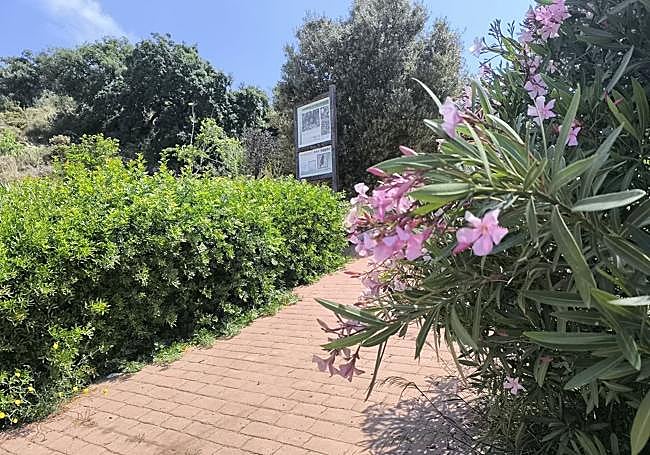
The most common access is from the road to Entrerríos, very close to the centre of La Cala de Mijas. It is just over a kilometre from the A-7 as it passes through this coastal town. The start of the path is well located next to the road with a sign describing the route and the cork oak grove itself. Next to the start of the path there is a small area where you can park your vehicle.
-
Route description
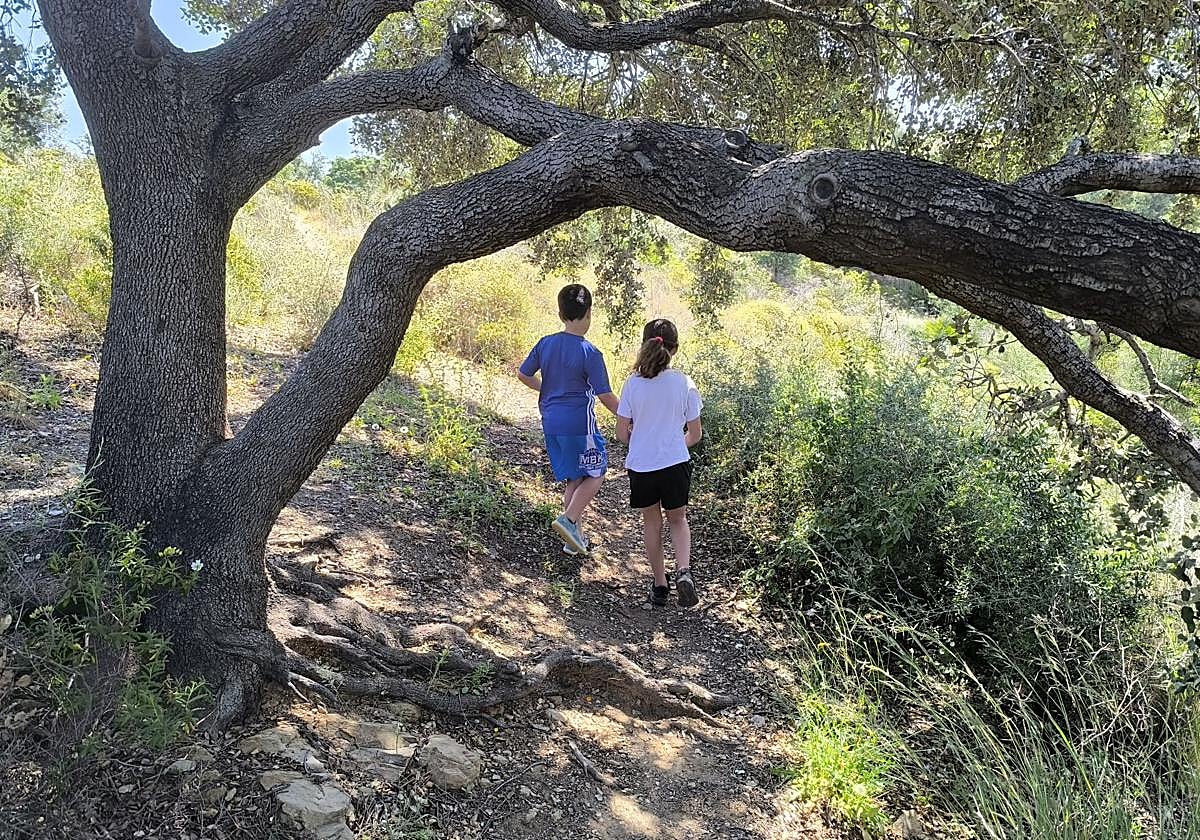
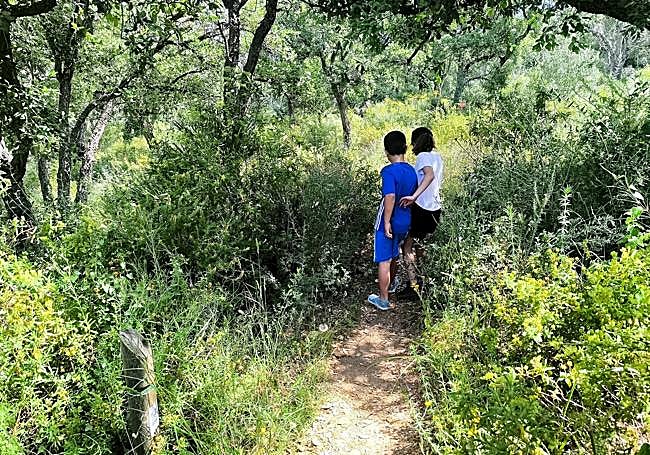
1 The route begins next to one of the information panels installed at the main entrance to the cork oak grove, where there are already explanations about the botanical and faunal richness of this enclave. From the first few metres, the contrast between the urbanised surroundings and the sensation of isolation offered by this small Mediterranean woodland, which acts as a kind of natural refuge next to one of the busiest areas of the Costa del Sol, is striking. The path starts off with a comfortable route, but soon after it changes from a wide lane to a narrow path.
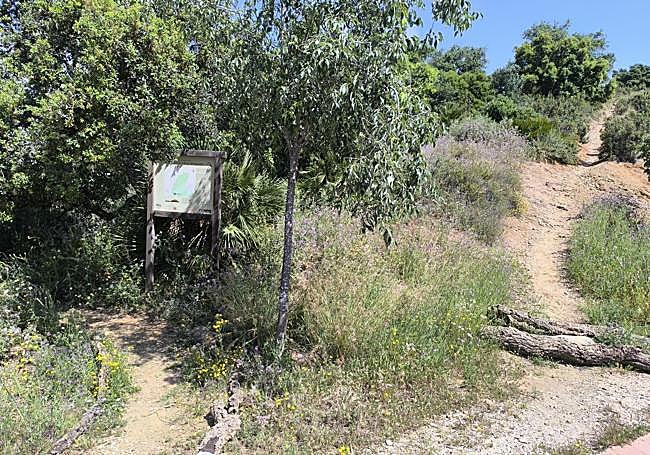
2 During the first stretch, the route winds through cork oaks and abundant Mediterranean vegetation. On both sides of the path there are species such as palmetto, myrtle, matagallo, prickly rockrose and lavender, some of which are identified on the information panels along the route. Although the route is short, the density of vegetation is striking considering the proximity of the sea and the motorway. At several points there are also small cleared areas with partial views of the surroundings of La Cala de Mijas.
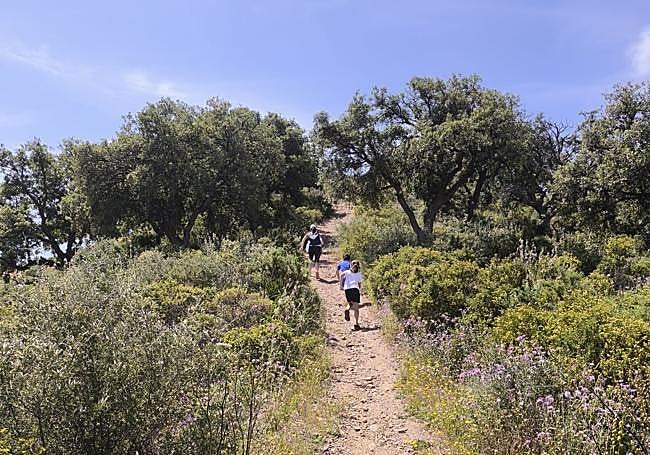
3 Gradually, the path begins to gain altitude until it reaches the highest part of the route, at around 80 metres above sea level. This section concentrates the steepest slopes of the whole route, although they are still fairly easy. From here you get a different perspective of the cork oak grove and its surroundings, allowing you to better understand the uniqueness of this small woodland nestled between built-up areas, roads and areas close to the coast.
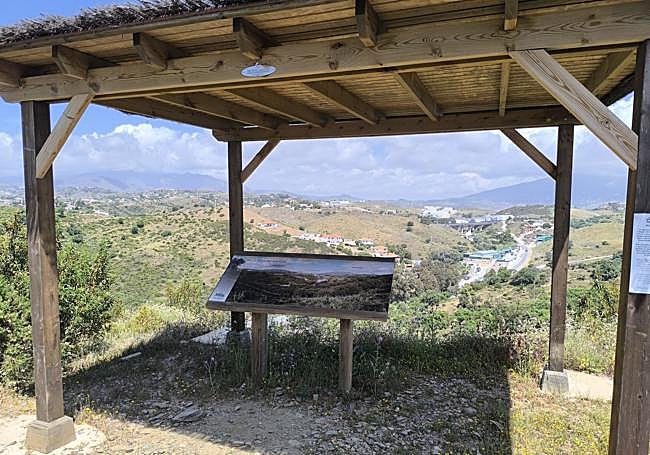
4 Next, the route begins its descent along the other side of the loop. The terrain remains comfortable and easy to follow thanks to the existing trail markers. Throughout this part of the hike, the sounds of birds finding refuge in this environment are frequent. Among the species that can be spotted or heard are the great tit, robin, greenfinch, Sardinian warbler and even raptors such as the short-toed snake eagle and the booted eagle.
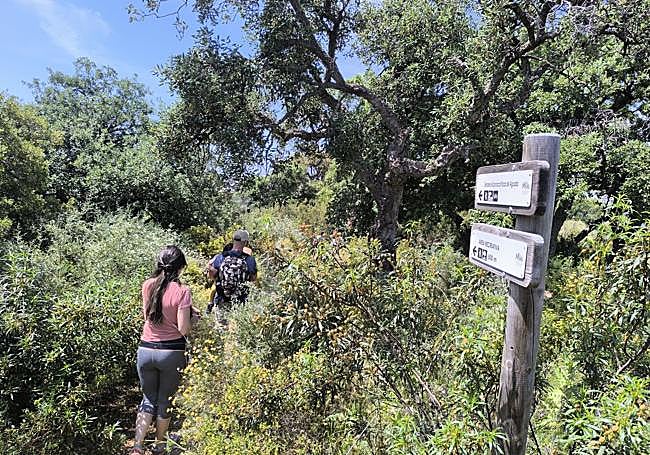
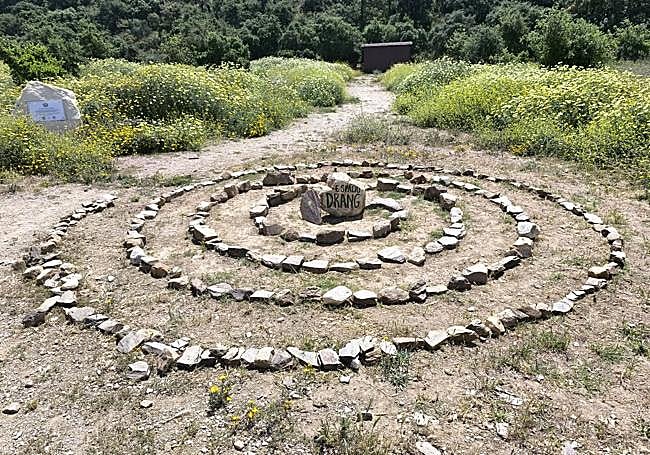
5 On the final stretch, the trail approaches the starting point once again after crossing through several particularly lush areas. Before reaching the end of the route, you arrive at Espacio Drang, created by an association dedicated to environmental conservation and land stewardship. This group develops protection and outreach initiatives in natural spaces across the Costa del Sol, including the Roza del Aguado cork oak forest.
Flora and fauna
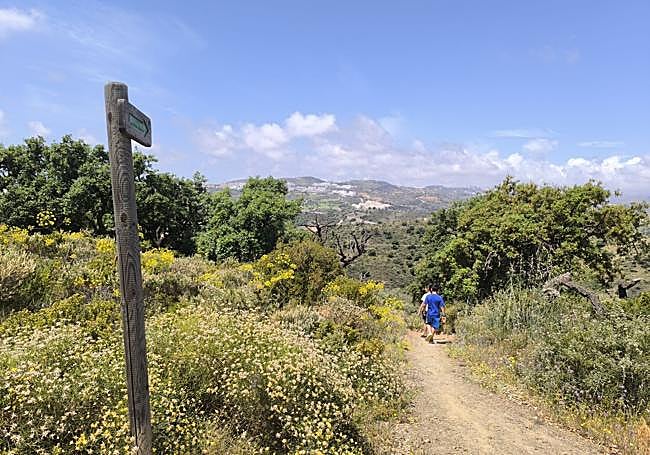
The main value of this route lies precisely in its botanical richness. The cork oak grove is dominated by cork oaks or chaparral, accompanied by a thick Mediterranean scrubland with species such as palmetto, myrtle, prickly rockrose, curly rockrose, matagallo, Moorish jaguarzo, bitter sage, torvisco, asparagus and lavender, among others. In the sunniest and most degraded areas there are also gorse and different varieties of rockroses. As for the fauna, this enclave serves as a small refuge for numerous birds, including coal tit, robins, warblers, greenfinches, chaffinches and hoopoes, as well as birds of prey such as the kestrel, the short-toed snake eagle and the booted eagle.
![[]](http://static.vocstatic.com/voc26/latest/assets/images/favicon/surinenglish/apple-touch-icon-57x57.png)