
Gardening in southern Spain
Pleroma heteromallum
Pleroma heteromallum, native to the tropical regions of South America, is an excellent specimen plant for tropical and subtropical gardens
Denise Bush
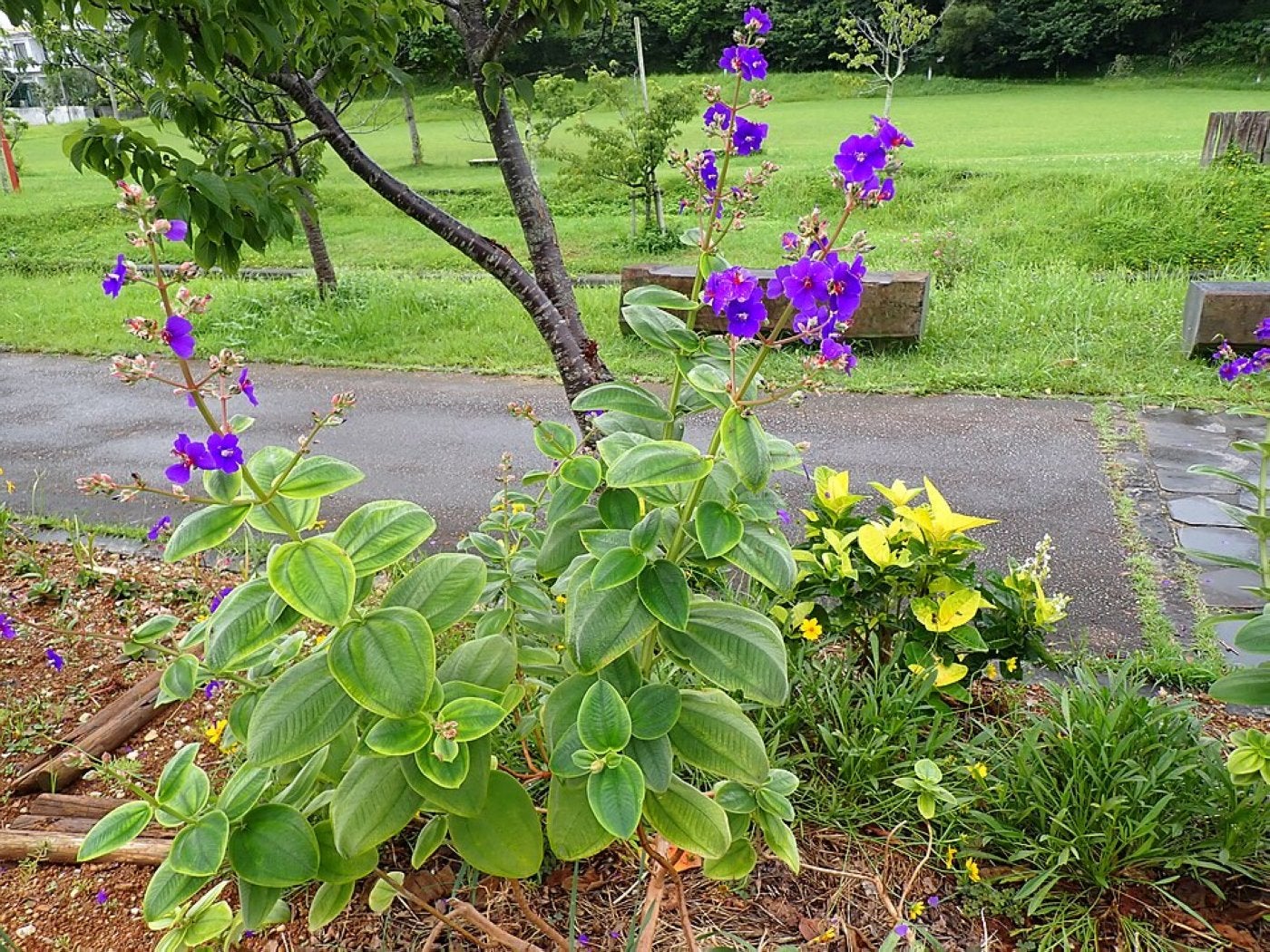
Pleroma heteromallum, a member of the Melastomataceae family native to the tropical regions of South America, is an excellent specimen plant for tropical and subtropical gardens. Frequently referred to by synonyms such as Tibouchina heteromallum, it is also widely known by the common names silver-leafed princess flower and glory bush. This versatile plant can be grown as a compact shrub 60-90cm tall or allowed to mature into a small tree.
The plant is highly prized for its striking foliage and vibrant display. It features ovate, velvety, silver-green leaves that are densely covered in fine white hairs, creating a beautiful contrast against its reddish stems. When conditions are ideal, it can flower all year round, producing spikes of rich purple flowers that span up to 10 cm across. These blooms are characterised by their long white stamens and regular deadheading will keep the plant flowering continuously.
Pleroma heteromallum prefers a position in full sun or partial shade, though it benefits from some shelter on hot summer afternoons to prevent leaf scorch. It can be grown in coastal gardens, as it can tolerate seaside locations and harsh salt winds.
The ideal growing medium is a rich, organic soil that is preferably acidic although it will tolerate a more neutral soil.
While the plant is hardy enough to withstand short periods of drought, it performs best with regular watering. Care must be taken not to overwater, as the roots can easily rot if kept waterlogged. To avoid drowning the plant, allow the top two centimetres of soil to dry out completely before watering again.
During the active growing season from spring to summer, the plant should be fed with a slow-release or liquid fertiliser every four to six weeks to support its growth and flowering.
Pruning can be carried out immediately after flowering to reduce leggy stems and maintain a compact, bushy habit. Because the species is not cold hardy, gardeners in cooler regions will need to grow it in a pot so it can be moved to a sheltered location or indoors during the winter months. Container-grown plants should be repotted every one to two years to accommodate their growth. and supply fresh potting compost.
Propagation can be achieved by collecting and sowing seeds, or through stem cuttings. To propagate via cuttings, take 10 to 15cm stem sections during spring or early summer. For the best results, apply a rooting hormone and provide bottom heat. The cuttings typically take between ten and twelve weeks to successfully develop roots.
![[]](http://static.vocstatic.com/voc26/latest/assets/images/favicon/surinenglish/apple-touch-icon-57x57.png)