
Lifestyle
Picasso's last home - from Malaga to Mougins
Ninety years ago Pablo Picasso discovered the village and 60 years ago permanently settled in the French Riviera that quickly became his retreat from the world, a place to spend the final years of his life
-RPfw84nFPc5BPkQMIPHkHLM-1200x840@Diario%20Sur.jpg)
Alekk M. Saanders
Mougins
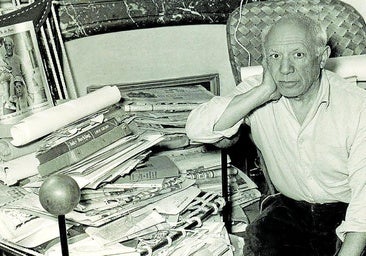
In 1966, Pablo Picasso moved to the French Riviera. There, the world-famous artist lived in Antibes, Vallauris and Vauvenargues, and spent his final twelve productive years (until his death on 8 April 1973 at the age of 91) in the picturesque village of Mougins.
Unsurprisingly, like Malaga, Mougins is now famous for its connection with Picasso. That is why SUR in English travelled to this French village to find out what the Malaga-born artist’s conscious choice of a place to live and create is all about.
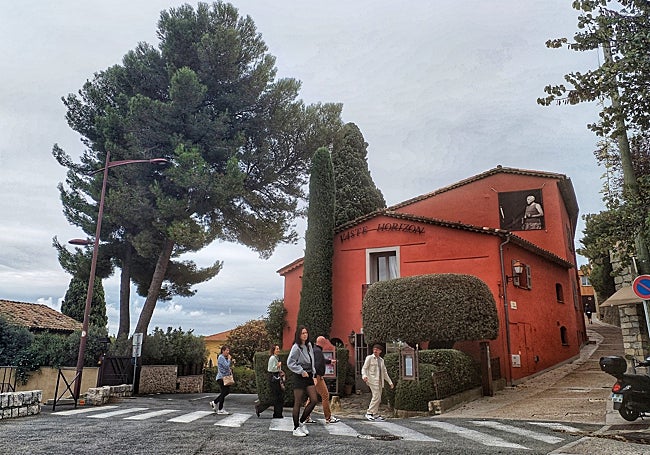
A snail-shaped hilltop village
The usual way to get to Mougins is to fly into Nice, take the commuter train to Cannes, and from there take a bus or drive to this historic village.
If Cannes, known for its posh life, could be compared with Marbella, then Mougins is like our Mijas (though not whitewashed at all) because it is a hilltop village offering panoramic views of the Mediterranean.
Related story
-
 Jennie Rhodes
Moreover, this village, shaped like a snail, is surrounded by olive groves, which create a peaceful, idyllic atmosphere that clearly inspires creativity.
Incidentally, when asked directly why they thought Picasso had chosen their village in particular, the locals usually replied that it was down to the profound tranquillity, the serene atmosphere and the exceptional artistic inspiration it offers to any creative person.
In the summer of 1936, Pablo Picasso visited Mougins for the first time, not in search of inspiration, but for a romantic experience with his lover
In the summer of 1936, Pablo Picasso visited Mougins for the first time, not in search of inspiration, but for a romantic experience with his lover. The local hotel, the Vaste Horizon, witnessed the beginning of the romance between the artist and Dora Maar, who was his principal muse for a time.
Mougins is considered a kind of refuge, allowing particularly creative people to escape the hustle and bustle of city life
Mougins itself served as a muse for many creative figures, including Christian Dior, who would retreat to his house in the centre of the village to design his collections.
Mougins is considered a kind of refuge, allowing particularly creative people to escape the hustle and bustle of city life.
Édith Piaf is believed to draw special inspiration from the village, and such famous figures as Winston Churchill, Jean Cocteau, Fernand Léger and Yves Klein often visited or lived in Mougins, which, like Antibes and Vallauris, earned a reputation as a ‘village of artists’.
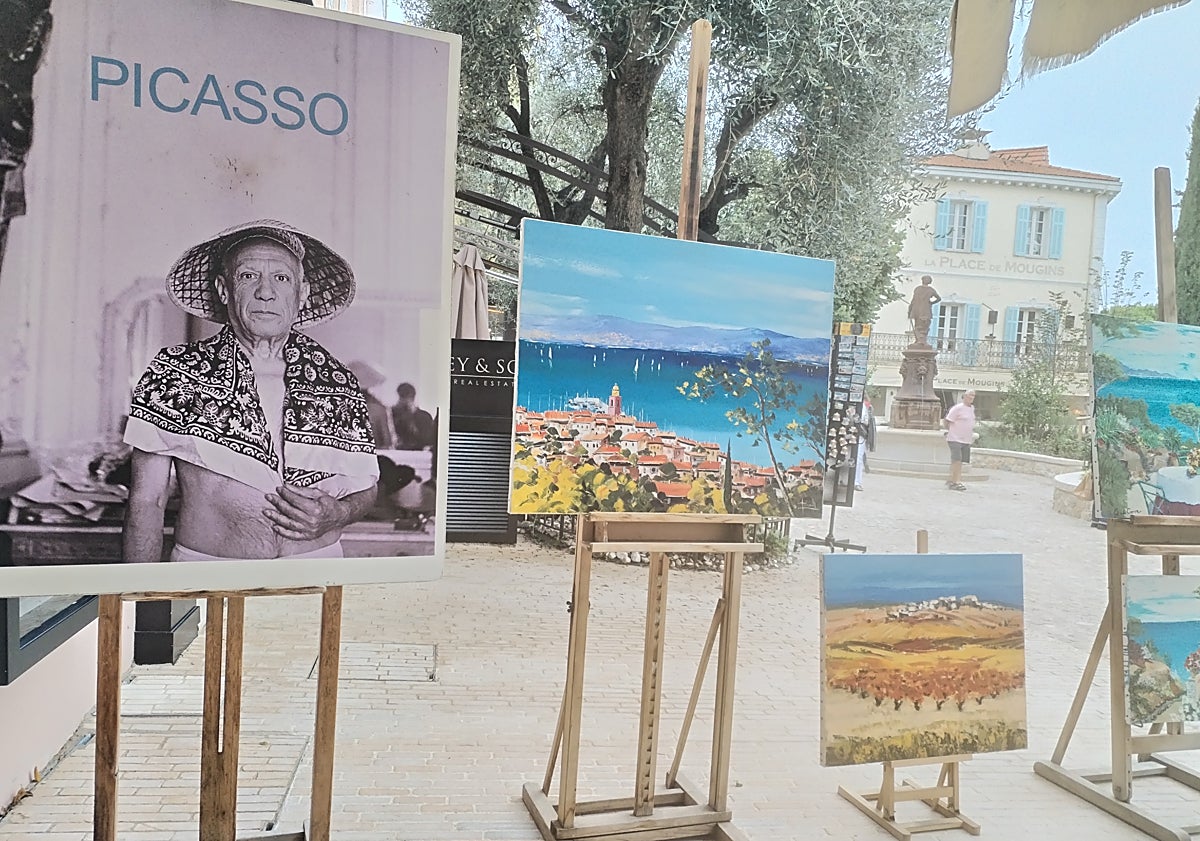
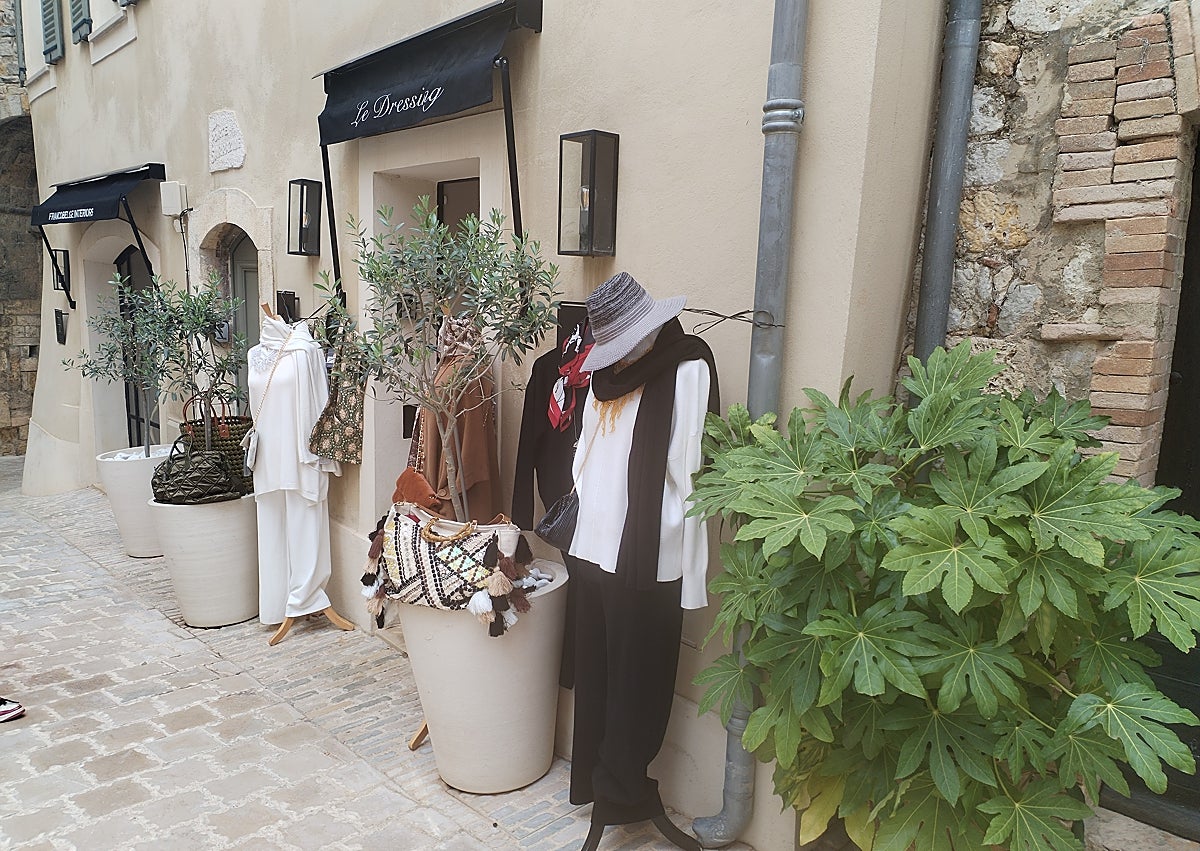
A vast open-air art gallery
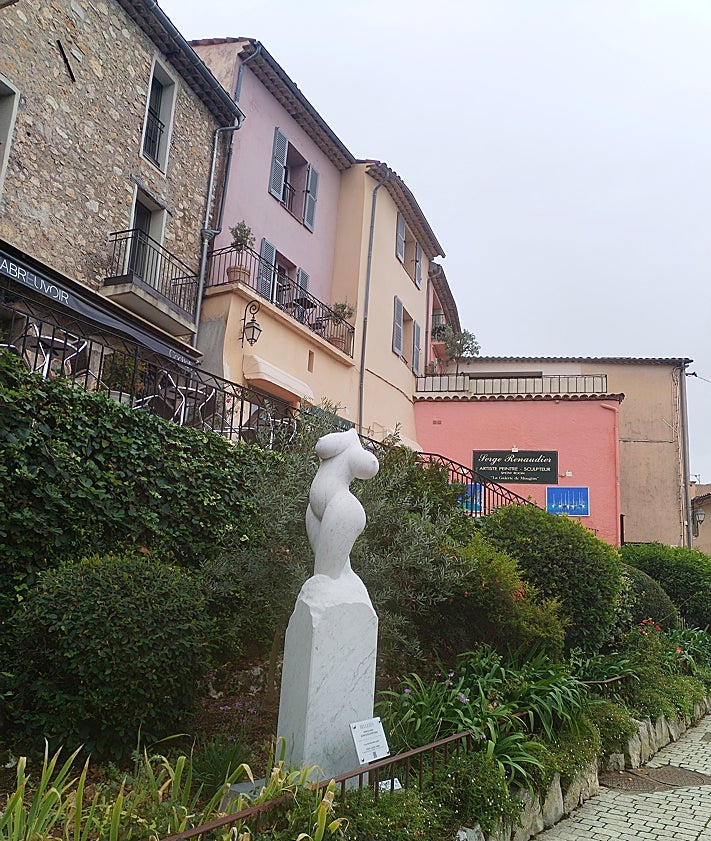
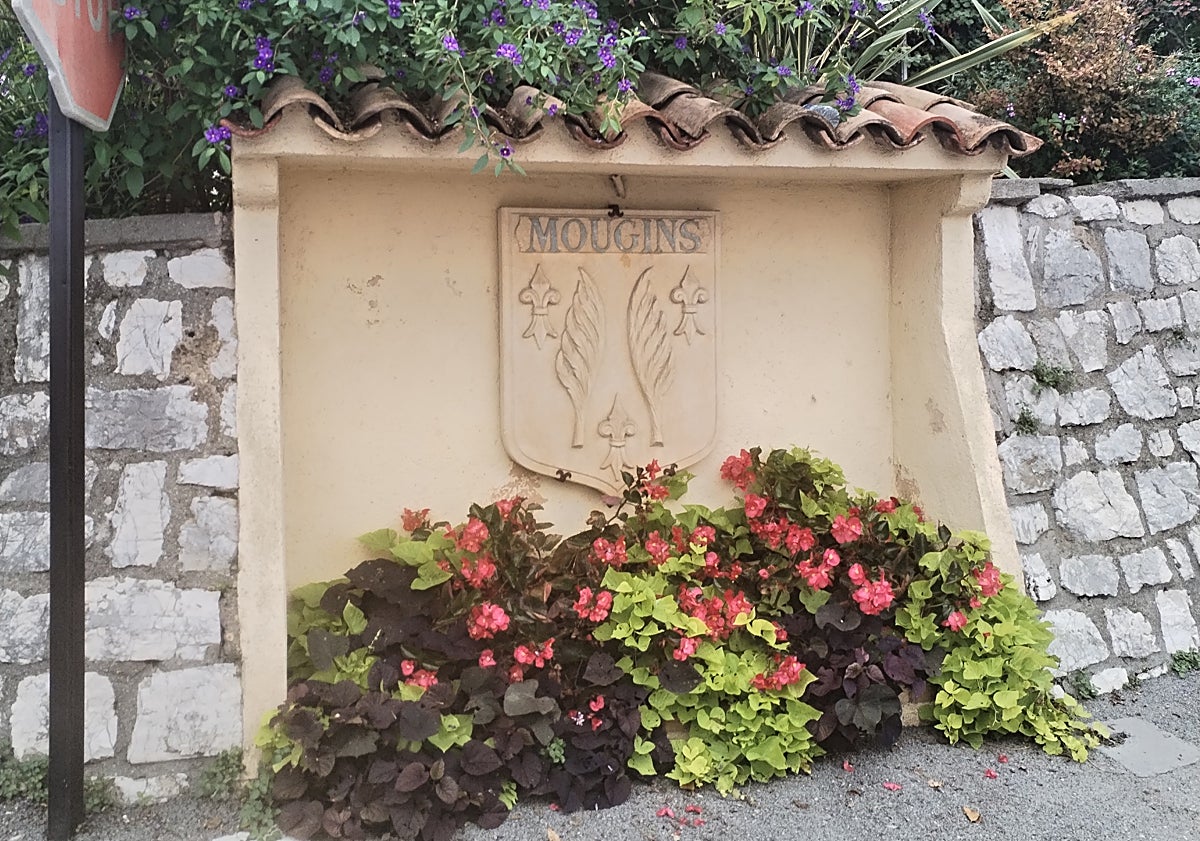
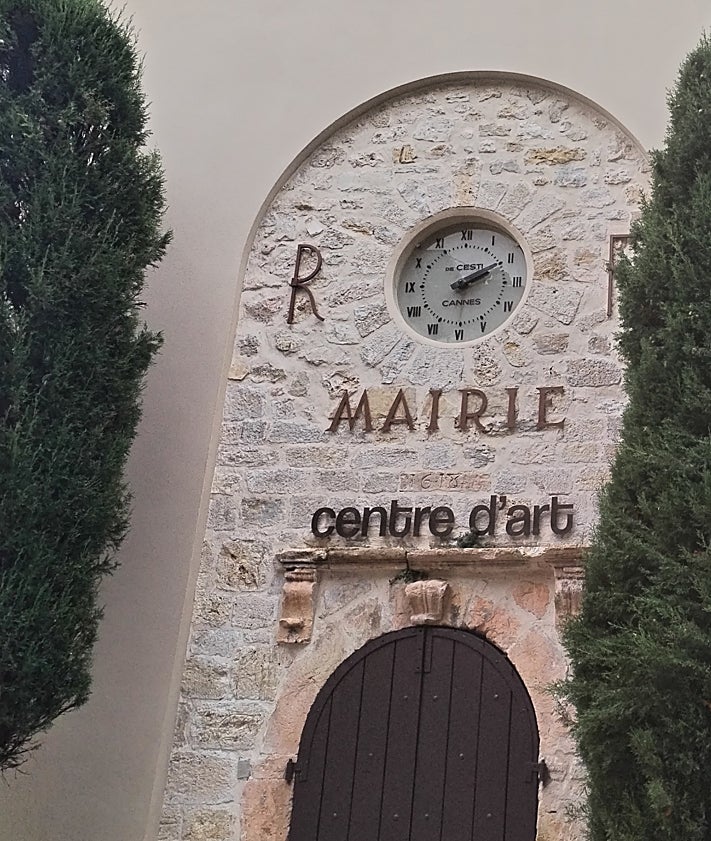
At first glance, you realise that Mougins is indeed a place where history, art and stunning landscapes come together. Visitors still enter the village through the historic Saracen Gate - one of the original fortified entrances dating from the 15th century.
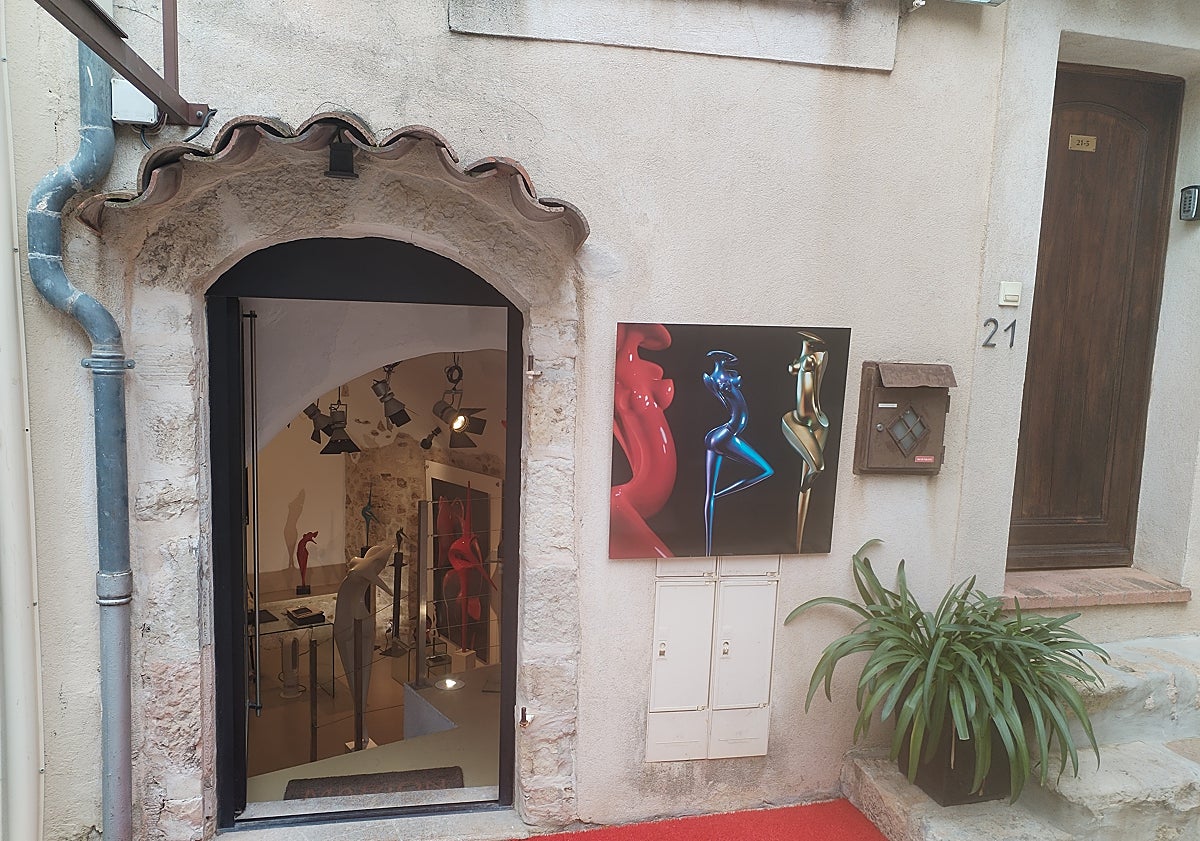
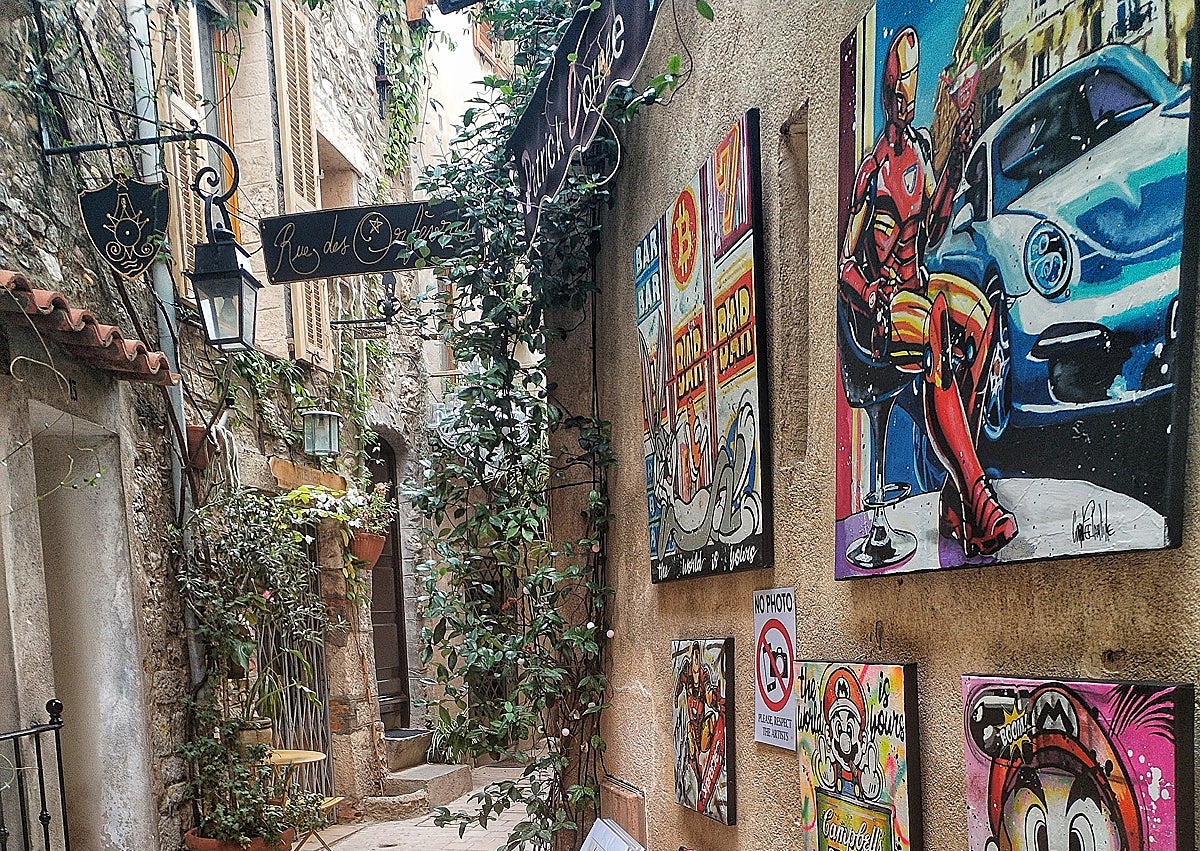
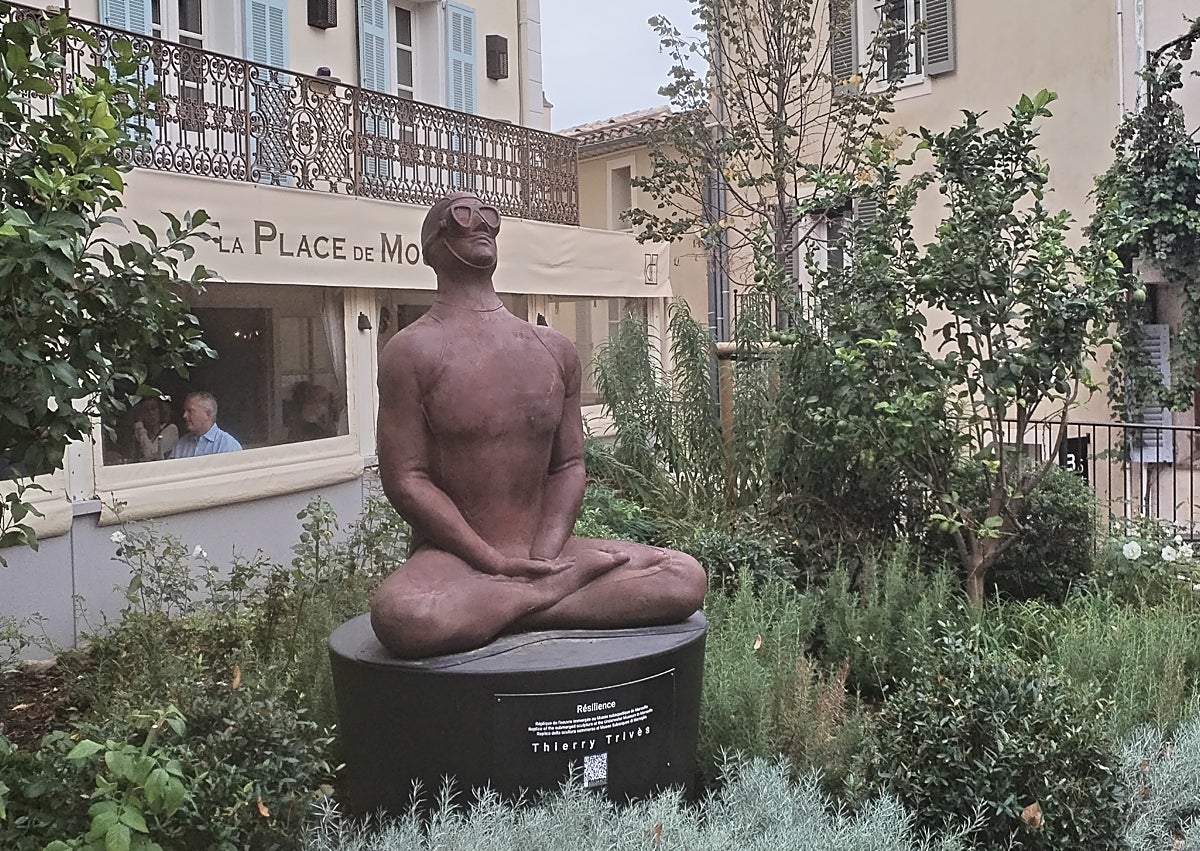
This gate is like the entrance to an art gallery. Mougins is full of paintings and other works of art. It is adorned with large, whimsical sculptures of fruit and headless figures.
Picasso, on the contrary, is represented by an oversized head - a bronze work by the Dutch sculptor Gabriël Sterk.
In Mougins, Picasso is represented by a huge head - a bronze work by the Dutch sculptor Gabriël Sterk
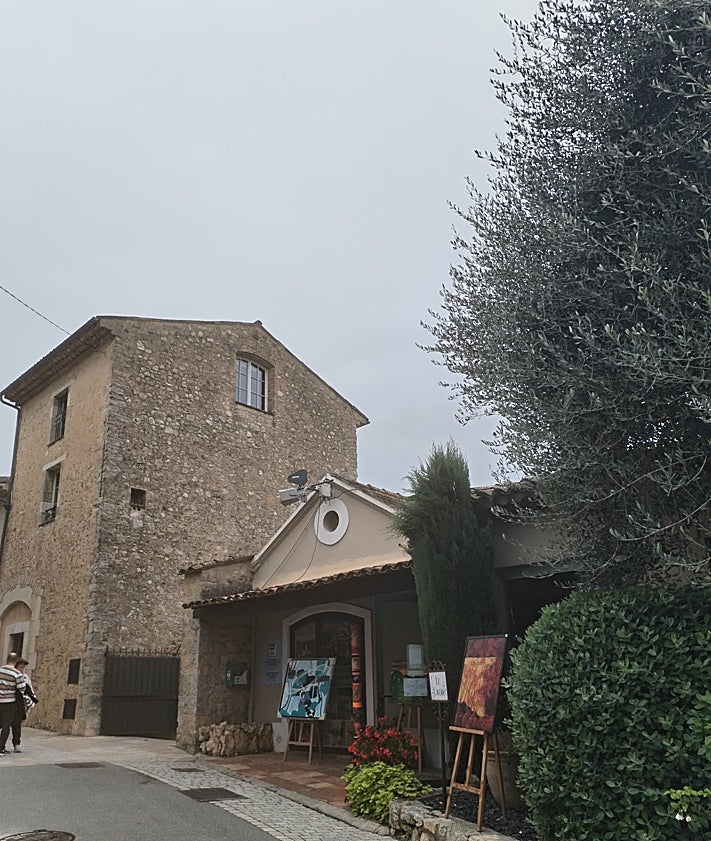
As you stroll through the medieval circular streets, it becomes clear that Mougins truly exudes something that inspires creativity. What’s more, the air is constantly filled with the aroma of something delicious.
The case is that historically, Mougins has become home to a large number of haute cuisine restaurants. Roger Vergé, one of the greatest chefs of his time, once lived here.
Additionally, since 2006 the village has hosted the prestigious international gastronomy Les Étoiles de Mougins festival.
Impressed by the Irish style?
It is said that Pablo Picasso was captivated by the prospect of purchasing a large farmhouse (‘mas’) in Mougins, called Notre-Dame-de-Vie.
It is worth noting that, apparently, it was not the authentic farmhouse that attracted the artist, but a villa already furnished according to Irish taste. Indeed this farmhouse had previously belonged to the Guinness family.
Benjamin Guinness, a banker and descendant of the Irish brewing dynasty, purchased the traditional farmhouse in Mougins in the mid-1920s and transformed it into a luxurious villa.
It was here that Winston Churchill stayed in the 1930s. Incidentally, the future prime minister also succumbed to the creative spirit of Mougins and painted a picture depicting the local 13th-century chapel.
-U86688003065xBy-1200x841@Diario%20Sur.jpg)
Picasso's house previously belonged to a descedent of the famous Irish brewing Guinness family
Pablo Picasso moved to the village permanently with his last wife, Jacqueline Roque in 1961. It was here that the artist set up his final studio where he was exceptionally prolific and concentrated.
In Mougins, he was able to lead a much more secluded life compared to previous years, and was constantly surrounded by his beloved works of art and gardens.
Pablo Picasso died at his home in Mougins on 8 April 1973 at the age of 91. However, the artist was buried at Château de Vauvenargues in the Provence region of France, another estate he owned.
![[]](http://static.vocstatic.com/voc26/latest/assets/images/favicon/surinenglish/apple-touch-icon-57x57.png)