
Andalusian influencers around the world
El Tempranillo: A quintessential European image
José María's influence grew because he was transformed into a romanticised symbol of the Spain that Europeans wanted to imagine
Tony Bryant
Most foreign artistic luminaries who passed through Andalucía during the 19th century claimed to have been seduced by its romantic allure and its colourful customs and traditions. One of the aspects that captivated many of these foreigners were the 'bandoleros', the stereotypical highwaymen, and none so much as José María Hinojosa Cobacho, El Tempranillo.
Born in the village of Jauja in Lucena (Cordoba) around 1800, El Tempranillo became one of the most influential real-life models for the Romantic European image of the Andalusian bandit. His reputation helped create a wider artistic stereotype: the handsome, courteous, quasi-noble Spanish outlaw that became the protagonist of the stories and paintings of many 19th century romantic travellers.
Hence, El Tempranillo's exploits in the Serranía de Ronda became known not only in Spain but also throughout Europe. He did not become an international figure simply because artists repeatedly depicted him: his influence grew because Europe transformed the historical José María into a romanticised symbol of the Spain that Europeans wanted to imagine.
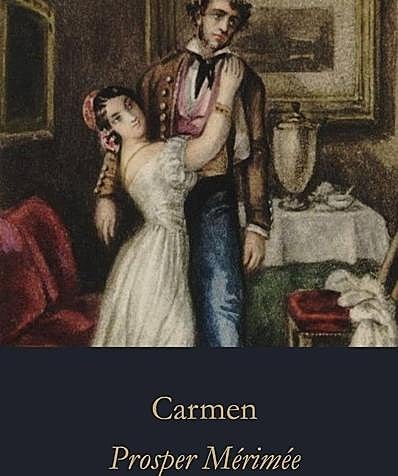
The French writer Prosper Mérimée, author of Carmen, was a crucial figure in transforming the legend of El Tempranillo. Mérimée had heard stories about the highwayman during his travels in Spain and wrote about him in his 1832 Lettres d'Espagne. The Frenchman described the bandit as “a handsome dashing figure”. Mérimée created José Navarro, the fictional bandit in Carmen who was modelled on El Tempranillo. The story became the source for Carmen by Georges Bizet, so El Tempranillo's legend effectively fed into one of the most internationally famous works of 19th-century European opera.
Furthermore, all sorts of fabricated stories began to be written about him due to a much larger European Romantic fascination with Spain. French and British artists - including Richard Ford and Gustave Doré - helped turn the bandit into an international visual and literary type.
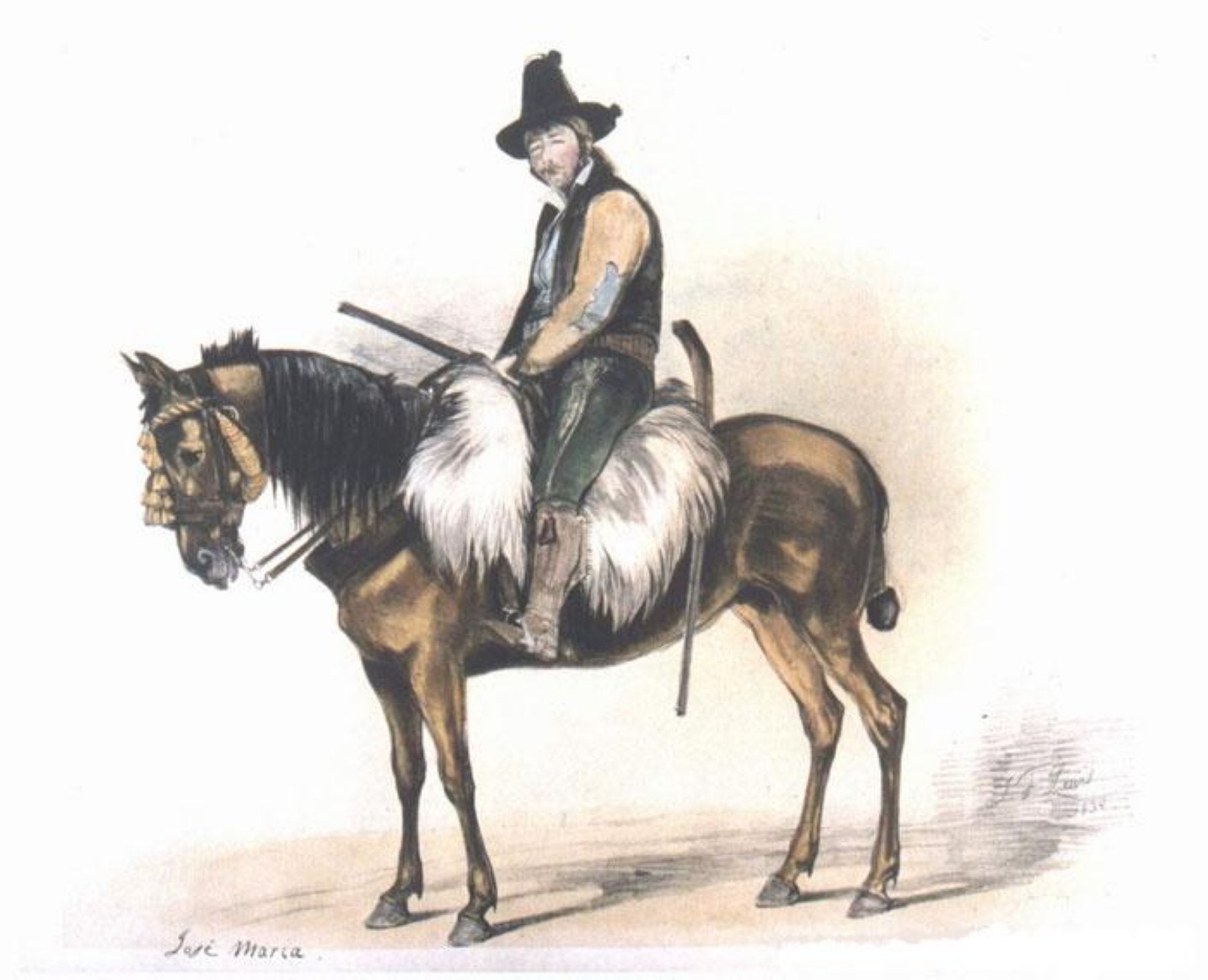
The English orientalist painter John Frederick Lewis encountered El Tempranillo and produced a portrait of him around 1832. It was while visiting Cordoba that he is said to claim that El Tempranillo was more popular than the king. His meeting with the bandit in 1832 resulted in the well-used portrait, which depicts a small man on a small horse, with dark hair, blue eyes and a thin, pointed nose.
Lewis is singled out as one of the principal foreign artists responsible for disseminating the Romantic image of José María El Tempranillo.
![[]](http://static.vocstatic.com/voc26/latest/assets/images/favicon/surinenglish/apple-touch-icon-57x57.png)