
Andalusian influencers around the world
Rafael Alberti: An unusually multinational poet
Born in Cadiz in 1902, his long exile during the Franco era turned him into a cultural bridge between Spain and Latin America
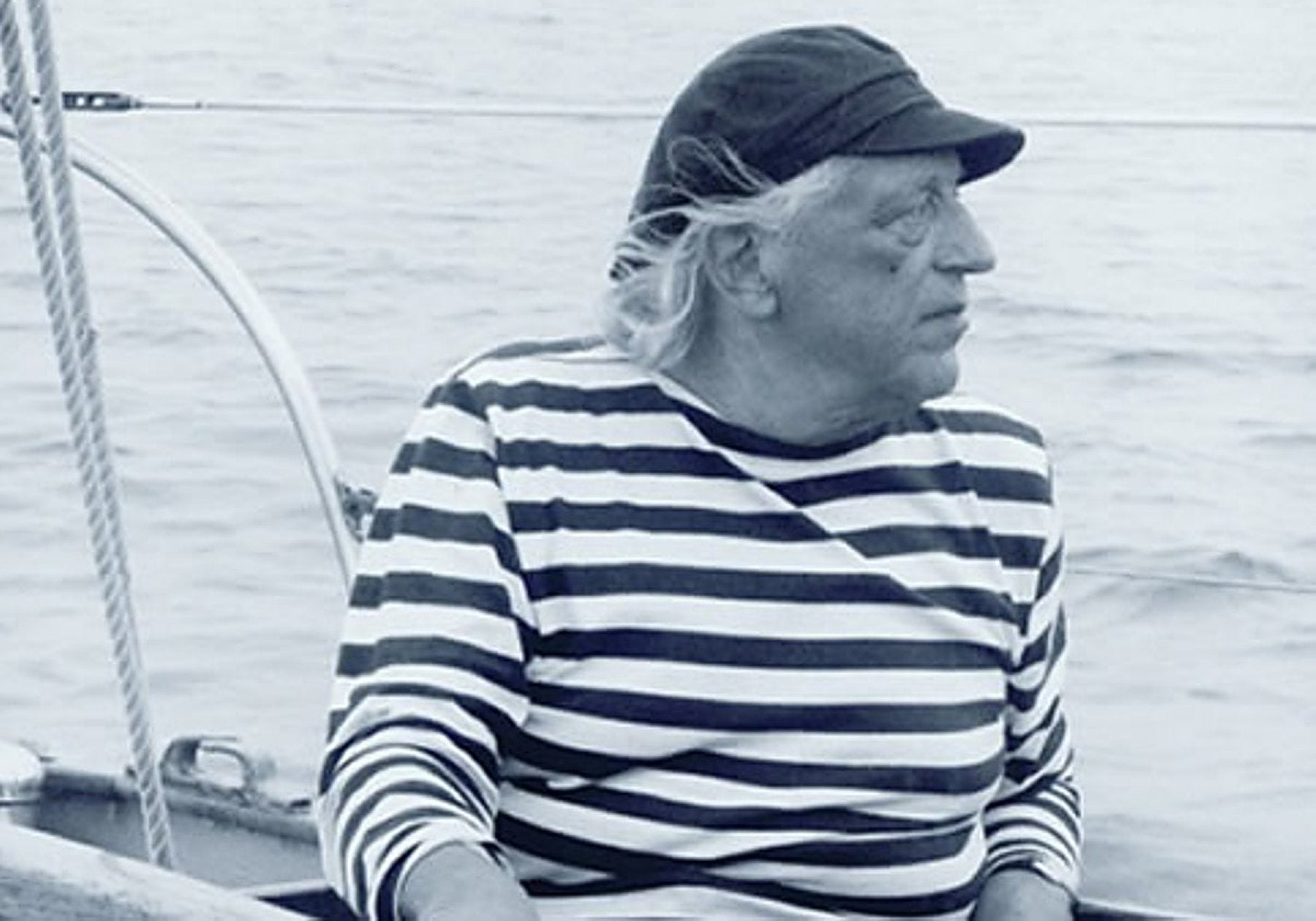
Tony Bryant
A member of the Generation of '27 literary circle, Rafael Alberti Merello (1902-1999) was a renowned poet whose surrealist work became part of the international avant-garde scene in the first half of the 20th century. Known as Rafael Alberti, his international importance came less from becoming a universally famous figure like Federico García Lorca and more from the way his long exile during the Franco era turned him into a cultural bridge between Spain and Latin America. His exile took him to Argentina, Uruguay and Italy, where he participated actively in literary and political circles.
Born in El Puerto de Santa María (Cadiz), Alberti descended from a family of once-wealthy winemakers with distant Italian roots on his father's side. He was an active member of the Spanish communist party (PCE), hence he left Spain in 1939 with his wife, María Teresa León. He eventually settled in Argentina, where he lived for more than 20 years, most of which he spent in Buenos Aires.
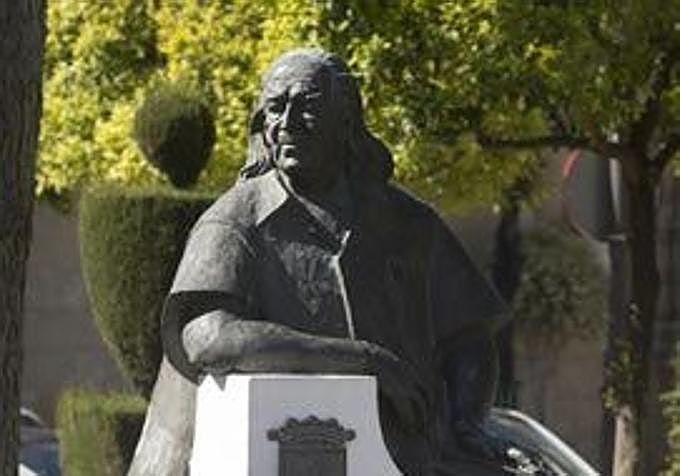
He was considered one of the greatest writers of the Silver Age of Spanish Literature, a period of exceptional literary and cultural creativity in Spain from the late 19th century to the outbreak of the Spanish Civil War in 1936.
Argentina became a major part of his literary identity, which became evident in his work, Ballads and Songs of Paraná (1953-54), in which Argentine landscapes become a way of exploring exile, displacement and identity. Scholars describe the Argentine countryside as providing Alberti with new poetic sources and helping him rethink his identity as an exile.
He was already known in Argentine literary circles when he arrived in 1939, and he subsequently contributed to important Argentine publications, including Sur, the influential literary magazine associated with Victoria Ocampo, a close friend of Virgina Woolf. It was his connections with Argentine writers and intellectuals that helped Alberti integrate into the country's cultural life.
His exile extended well beyond Argentina, as he also spent time in elsewhere in Latin America, before eventually moving to Italy. He lived in Rome until his return to Spain in 1977, giving his career an unusually multinational character for a Spanish poet of his generation.
Alberti's poetry continues to be translated and published outside Spain today, allowing non-Spanish-speaking readers to encounter his work. He is still regularly studied internationally alongside other members of the Generation of '27, which keeps his work in circulation among new generations of writers and scholars.
![[]](http://static.vocstatic.com/voc26/latest/assets/images/favicon/surinenglish/apple-touch-icon-57x57.png)