
Andalusian influencers around the world
Ibn al-Baytar: A lasting legacy in modern medicine
His study of medicinal plants and substances established the Arab pharmacist as a key figure in the history of botany and pharmacy
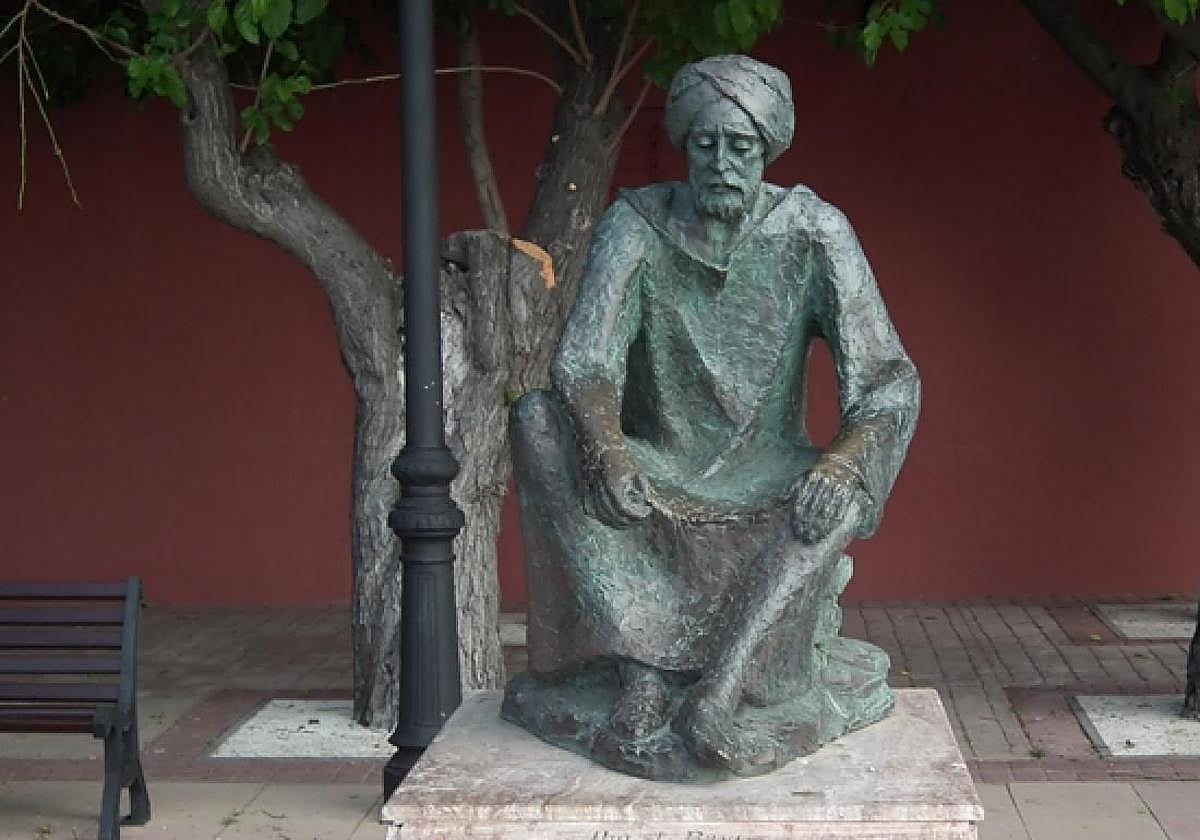
Tony Bryant
Considered one of the most important botanists and pharmacists of the medieval Islamic world, Ibn al-Baytar (1197-1248), had a lasting influence on medicine, pharmacology and scientific knowledge. He identified and described hundreds of plants and medicinal substances, including their properties and uses, and recorded how plants, minerals and other substances could be used to prepare medicines, helping make the study of medicines more systematic.
Son of a veterinarian (hence his name in Arabic - 'son of the veterinarian') he was born in Al-Andalus, the Muslim-ruled regions of the Iberian Peninsula, in what is now the province of Malaga (most probably the municipality of Benalmádena). Beginning his botany studies under the Malaga botanist Abbás al Naabátí, he later drew upon the accumulated wisdom of Greek, Roman, Persian and Arab scholars, while enriching their legacy with observations gathered through his own meticulous research.
His travels across North Africa, Egypt, Syria and the wider Mediterranean world brought him into contact with plants from a remarkable variety of landscapes. In doing so, he not only deepened his own understanding of the natural world, but also helped carry botanical knowledge across the cultures of the Mediterranean.
His most famous work, Compendium on simple medicaments and foods, described around 1,400 medicinal substances, many of them plants. His detailed descriptions were used by physicians and pharmacists for centuries and contributed to the development of pharmacological knowledge. The bulk of the information in the book contains references to 150 previous Arabic authors, as well as 20 Greek writers.
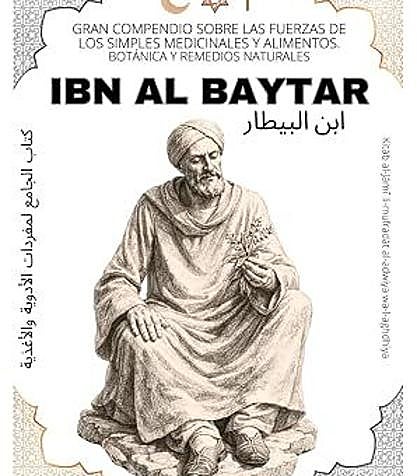
Some plants and substances he described contain compounds that modern researchers have investigated for anticancer activity, while others were used extensively for the treatment of diseases related to the head, ear and eye.
His work helped transform knowledge of medicinal plants into a more organised field of study, while his writings preserved earlier knowledge while adding new observations, making him an important figure in the history of botany and pharmacy.
Some medicinal plants and remedies described by Ibn al-Baytar are still relevant to modern medicine, although the modern drugs are usually based on purified compounds and modern clinical research rather than his original preparations. These include Senna, commonly used as a laxative; aloe, used for skin irritation; and ginger, most often used for nausea and vomiting.
![[]](http://static.vocstatic.com/voc26/latest/assets/images/favicon/surinenglish/apple-touch-icon-57x57.png)